For over a century, Zojirushi has been a name synonymous with culinary excellence, particularly in the realm of rice cookers. As a leading expert with 15 years in home appliance technology and a deep understanding of Asian food culture, I’ve seen firsthand how this brand has transformed the simple act of cooking rice into an art form. A Zojirushi Rice Cooker isn’t just an appliance; it’s a gateway to consistently perfect, fluffy grains, embodying a legacy of innovation that caters to every household, from bustling family kitchens to gourmet restaurants. This guide will walk you through everything you need to know about Zojirushi, helping you unlock the secret to impeccable rice and make an informed decision for your home.
A Legacy of Innovation: The History of Zojirushi Rice Cookers
Zojirushi’s journey began in Japan more than 100 years ago, establishing itself as a pioneer in developing innovative household products. While they now offer a diverse range of appliances, their commitment to perfecting the rice cooker has remained a cornerstone of their identity. From basic models that automated a simple boil to today’s high-tech marvels, Zojirushi has consistently pushed the boundaries of what a rice cooker can do, integrating cutting-edge technology with time-honored cooking principles. Their dedication to precision and quality reflects a deep respect for rice as a staple in countless global cuisines.
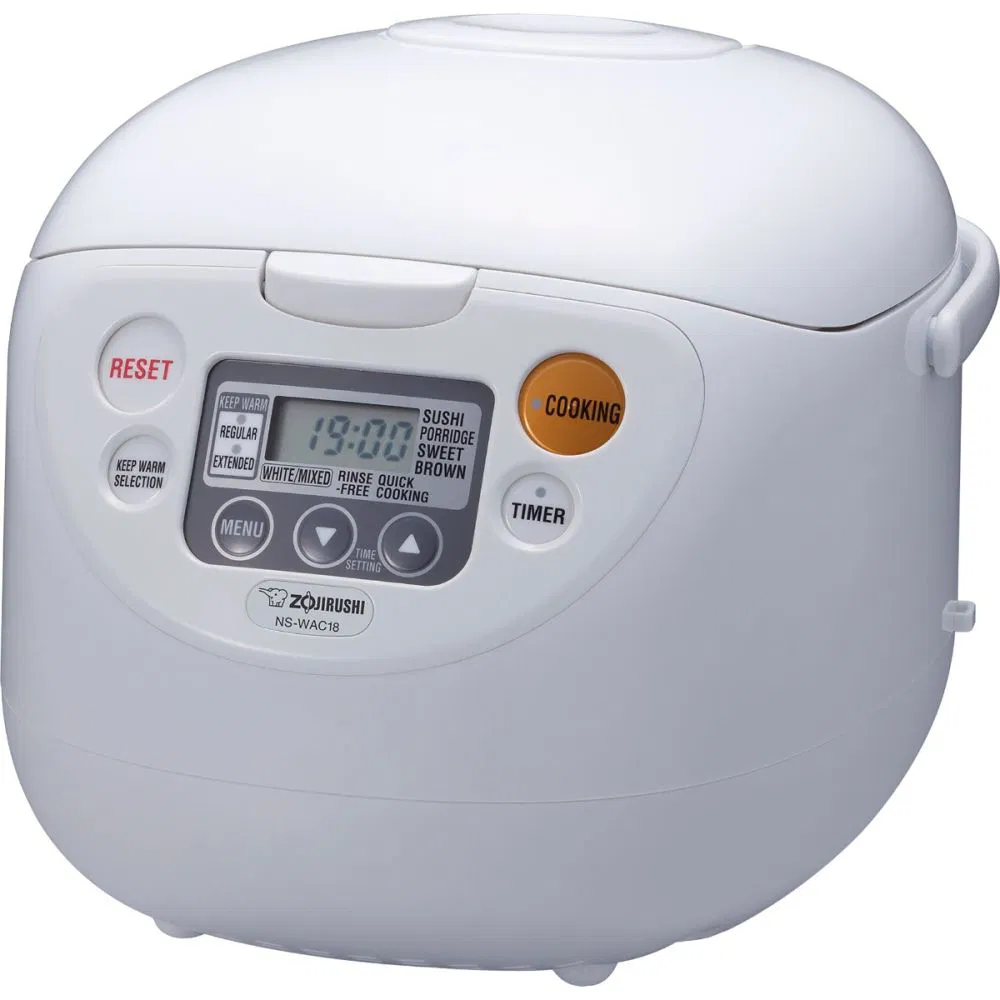
Unpacking the Technology: Types of Zojirushi Rice Cookers
Zojirushi offers a spectrum of rice cookers, each designed with different levels of technology to suit various needs and budgets. Understanding these distinctions is key to choosing the right Zojirushi rice cooker for you.
Conventional Rice Cookers: Simplicity at its Best
These are the foundational models, perfect for those who appreciate straightforward functionality. Conventional Zojirushi rice cookers typically feature a single-switch operation and a basic bottom heating element. They reliably cook white rice, often coming with an automatic keep-warm function and sometimes even a steaming basket. They’re ideal for beginners or anyone seeking an uncomplicated appliance.
Micom (Microcomputerized Fuzzy Logic) Rice Cookers: Smart and Versatile
Stepping up in sophistication, Micom rice cookers feature a built-in microcomputer. This “fuzzy logic” technology allows the cooker to “think” for itself, making subtle adjustments to cooking time and temperature based on the type and quantity of rice. This ensures consistently perfect results, even if your water measurements aren’t absolutely precise. Micom models often boast digital displays and multiple menu settings for various rice types like white, brown, sushi, and porridge, automatically handling crucial pre-soaking and post-steaming phases.
Induction Heating (IH) Rice Cookers: Precision and Evenness
IH Zojirushi rice cookers take cooking precision to the next level. Instead of just a bottom heating element, induction heating uses magnetic coils to turn the entire inner cooking pan into the heat source. This results in incredibly fast and uniform heating from all directions—bottom, sides, and even the lid. This even heat distribution allows for finer temperature adjustments, producing fluffier, more delicious rice. All IH models also incorporate Micom fuzzy logic for intelligent control.
Pressure Induction Heating (PIH) Rice Cookers: The Pinnacle of Rice Perfection
The most advanced line, Pressure Induction Heating (PIH) rice cookers, combine the benefits of pressure cooking, induction heating, and Micom technology, often with Artificial Intelligence (AI). Pressure cooking helps convert beta starch into alpha starch, making the rice softer, easier to digest, and keeping it warm and palatable for longer periods. The AI feature in these premium Zojirushi rice cooker models learns and adapts to continually optimize the cooking cycle, delivering unparalleled consistency and flavor. These models represent the apex of Zojirushi’s dedication to rice perfection.
Beyond Basic Cooking: Advanced Features and Technologies
What truly sets a Zojirushi rice cooker apart are its thoughtful features designed to enhance your cooking experience and elevate the taste of your rice.
Many Zojirushi models come with specialized menu settings, allowing you to cook a wide array of grains beyond just white rice. Imagine perfectly prepared GABA brown rice, which is soaked at a precise temperature (around 104°F) for two hours to activate gamma-aminobutyric acid, believed to have health benefits. Some models even include an “Umami” setting, which extends the soaking and steaming time for white rice to enhance its natural savory flavor. You’ll find dedicated settings for sushi rice, mixed rice, sweet rice, porridge, steel-cut oatmeal, and even quinoa, ensuring each grain is cooked to its ideal texture.
Beyond specialized menus, Zojirushi excels in convenience features. Automatic Keep Warm modes maintain your rice at the perfect serving temperature without drying it out, and advanced models offer an “Extended Keep Warm” option that can last up to 12-16 hours. The Delay Timer is a game-changer, allowing you to set your rice to be ready precisely when you need it, whether for a morning meal or an evening dinner.
The inner pots are a marvel of engineering, often featuring a spherical shape that promotes even heating. Many are crafted with durable, non-stick coatings, some even infused with platinum, for easy cleaning and superior heat transfer. “Chef Elaine Peterson,” a renowned culinary technologist, notes, “The thoughtful design of Zojirushi’s inner pots, especially the spherical ones, is critical. It’s not just about aesthetics; it’s about thermodynamics, ensuring every grain receives consistent heat for optimal texture.” Features like stay-cool side handles make removal safe and simple. Furthermore, Zojirushi prioritizes hygiene with detachable inner lids and steam vents, making cleaning a breeze. Even the sleek exterior designs and retractable power cords speak to Zojirushi’s commitment to user-friendly functionality.
Your Guide to Mastering Your Zojirushi: Step-by-Step Usage
Using a Zojirushi rice cooker is straightforward, but a few expert tips can ensure you get the absolute best results every single time.
Precise Measurement: The Zojirushi Way
The secret to perfect rice begins with accurate measurement. Always use the specific measuring cup provided with your Zojirushi rice cooker. It’s intentionally slightly smaller than a standard U.S. measuring cup (approximately 3/4 of a U.S. cup) to correspond precisely with the water level markings inside the inner pot. When measuring, fill the cup to overflow, then use a straight edge (like a knife or a spatula) to level off the rice, ensuring you don’t pack it down.
Rinsing and Water Levels: The Foundation of Fluffy Rice
For most rice types, especially white rice, rinsing is crucial to remove excess starch. Place the measured rice in the inner pot and rinse it under running water, gently swirling the grains with your hand until the water runs clear. This prevents stickiness and enhances the final texture.
After rinsing, add water to the inner pot, aligning it with the specific water level line that matches the number of rice cups you’re cooking and the rice type selected (e.g., “White 3” for three cups of white rice). Ensure the outer surface of the inner pot is dry before placing it into the rice cooker to prevent damage or malfunction.
Selecting Your Cooking Cycle: A World of Options
Once the rice and water are in place, close the lid securely. For Micom, IH, and PIH models, simply select the appropriate menu setting for your chosen rice type from the control panel. If you’re using a conventional model, it’s often recommended to let the rice soak for about 30 minutes before turning it on to improve texture. Advanced models will automatically incorporate soaking time into their cooking cycle.
The Art of Fluffing: Serving Perfect Rice
When the cooking cycle is complete (often signaled by a delightful tune from Zojirushi models!), resist the urge to immediately serve. For conventional cookers, allow the rice to rest for 15 minutes with the lid closed. For Micom and IH models, you can typically open the lid right away. Using the non-stick spatula provided, gently “fluff” the rice by lifting and turning it from the sides of the pot to the center. This releases excess moisture, separating the grains and creating that wonderfully airy, uniform texture Zojirushi is famous for.
Longevity and Luster: Essential Maintenance and Care Tips
Proper cleaning and maintenance are vital for your Zojirushi rice cooker’s performance and lifespan. Just like any high-quality appliance, a little care goes a long way.
Always begin by unplugging your rice cooker and allowing it to cool completely before cleaning. This is a non-negotiable safety step.
Next, remove all detachable parts: the inner lid, steam vent cap, and any dew collectors. These should be hand-washed with mild dish soap and a soft sponge. For any stuck-on rice, soak the parts in warm, soapy water before gently scrubbing. The inner cooking pot also requires hand washing. A critical rule to remember: Never use abrasive cleaners, scouring pads, metal utensils, or harsh chemicals like paint thinner or bleach on any part of your Zojirushi, especially the non-stick inner pot. These can scratch or degrade the surfaces, compromising performance and durability. Dishwashers are also a definite no-go for the inner pot and lid components as their harsh detergents and high heat can damage specialized coatings and rubber seals.
Wipe down the exterior of the rice cooker with a damp cloth. Pay close attention to the heating element inside the main body; any rice bits or water stains can affect heat distribution. If you have a pressure cooker model, gently press the pressure valves and use a bamboo skewer to carefully clear any debris that might hide in these tiny crevices, ensuring a proper seal.
For combating lingering odors, particularly after cooking strongly flavored dishes, some Zojirushi models feature a dedicated “Cleaning” cycle. If yours doesn’t, you can often run a cycle with just water and a few tablespoons of white vinegar in the inner pot. As “Mr. Kenji Tanaka,” a product development engineer at Zojirushi, often reminds us, “Keeping the heating element and pressure valves clear is paramount. Even a tiny rice grain can impact cooking efficiency and the lifespan of the appliance.”
If your Zojirushi rice cooker isn’t working as expected (e.g., not detecting the pot), a common culprit can be a slightly concave inner pot bottom. You can sometimes remedy this by carefully flattening the bottom (e.g., by pressing it down on a stable, flat surface) to ensure it properly activates the pot detection switch. If the rubber gasket around the inner lid appears old or discolored, it’s a sign it needs to be replaced to maintain an airtight seal and efficient cooking.
Choosing Your Perfect Companion: Buying a Zojirushi Rice Cooker
With a range of excellent models, deciding which Zojirushi rice cooker to buy can feel daunting. Consider these factors to find your ideal match:
1. Capacity:
- 3-cup models (e.g., Zojirushi NHS-06, NS-LGC05XB): Perfect for singles, couples, or small families. Can cook as little as 0.5 cups of uncooked rice.
- 5.5-cup models (e.g., Zojirushi NP-HCC10XH, NW-QAC10, NS-TSC10, NS-ZCC10): Ideal for medium-sized households, offering versatility for daily meals.
- 10-cup models (e.g., Zojirushi NP-NWC18, NW-JEC18BA): Best for larger families, entertaining, or those who consume rice frequently.
2. Technology Level & Budget:
- Conventional: Most budget-friendly, simple functionality.
- Micom (e.g., NS-TSC10, NS-ZCC10): A great mid-range option offering smart cooking and various menu settings for excellent value. It introduces the “fuzzy logic” that makes Zojirushi famous.
- Induction Heating (IH) (e.g., NP-HCC10XH, NW-QAC10): A step up in price, but delivers superior rice quality through precise, even heating. Recommended for rice connoisseurs.
- Pressure Induction Heating (PIH) (e.g., NP-NVC10/18, NW-JEC18BA): The premium choice, offering the absolute best texture, flavor, and retention of warmth, but comes with a higher price tag. Ideal for those who demand ultimate performance and versatility.
Many reviews consistently praise the Zojirushi NW-QAC10 Induction Heating Rice Cooker & Warmer for its excellent balance of features, performance, and price, often being highlighted as a “Goldilocks” option. For those seeking the highest quality Japanese-style rice, the Zojirushi NP-HCC10XH Induction Heating System Rice Cooker & Warmer is frequently cited as a top-tier choice. If budget is a primary concern but quality is still desired, the Zojirushi NS-TSC10 Micom Rice Cooker offers exceptional value, bringing advanced fuzzy logic technology within reach. Even the simple Zojirushi 3-Cup Rice Cooker (NHS-06) is beloved for its speedy and reliable performance for smaller portions.
Culinary Adventures: Delicious Recipes with Your Zojirushi
Your Zojirushi rice cooker is a versatile kitchen companion, ready to assist you with more than just plain white rice.
Basic White Rice:
- Measure 2-3 cups of short or medium-grain white rice using the Zojirushi measuring cup.
- Rinse the rice thoroughly until the water runs clear.
- Add water to the corresponding “WHITE” water level in the inner pot.
- Select the “WHITE” setting (or “Regular/Sushi” if available) and press start.
- Once cooked, fluff immediately with a spatula.
Fluffy Brown Rice:
- Measure brown rice with the Zojirushi cup.
- Rinse the rice.
- Add water to the “BROWN” water level.
- Select the “BROWN” setting. Note that brown rice takes significantly longer to cook (often over an hour) as the cooker typically includes a pre-soaking phase. The wait is worth it for perfectly tender, chewy grains.
Savory Porridge (Congee):
- For a traditional congee, use 1 cup of white rice to 7-10 cups of water, or follow your specific Zojirushi model’s recipe or “PORRIDGE” setting.
- Select the “PORRIDGE” menu. Your Zojirushi will manage the slow cook and prevent boil-overs, delivering a creamy, comforting dish.
You can also experiment with mixed rice dishes, sweet rice, and even steamed vegetables or dumplings using the included steaming basket (if your model has one). Many Zojirushi manuals also include recipes for delightful desserts like sponge cakes, showcasing the unexpected culinary range of these appliances.
Frequently Asked Questions About Zojirushi Rice Cookers
Q: Why does my Zojirushi rice cooker take so long to cook rice?
A: Zojirushi Micom and IH rice cookers often take longer than basic models (e.g., 45 minutes for white rice, over an hour for brown rice) because they incorporate crucial pre-soaking and post-steaming phases. This intelligent programming is what ensures perfectly cooked rice with optimal texture and flavor, far superior to quicker methods. Most models offer a “Quick Cook” setting if you’re in a hurry.
Q: Can I put the Zojirushi inner pot in the dishwasher?
A: No, the inner pot and detachable lid parts should always be hand-washed with mild dish soap and a soft sponge. Dishwashers, abrasive cleaners, and metal utensils can damage the non-stick coating and other delicate components, reducing the lifespan and effectiveness of your Zojirushi.
Q: What’s the main difference between Micom, IH, and Pressure IH technologies?
A: Micom (Microcomputerized Fuzzy Logic) uses a microchip to make precise adjustments to cooking time and temperature. IH (Induction Heating) utilizes magnetic fields to heat the entire inner pot directly and evenly, often combined with Micom. Pressure IH is the most advanced, adding pressure cooking to the IH and Micom systems to produce even softer, more digestible rice that stays warm longer, often with AI for continuous optimization.
Q: How do I cook GABA brown rice in my Zojirushi?
A: If your Zojirushi model has a “GABA Brown” setting, simply measure your brown rice, rinse it, add water to the specified “GABA BROWN” level, and select the corresponding menu. The cooker will automatically pre-soak the rice at a warm temperature for about two hours before cooking, activating its beneficial compounds.
Q: How often should I clean my Zojirushi rice cooker?
A: The inner pot, inner lid, and steam vent should be cleaned after every use. For deeper cleaning of the main body, heating plate, and pressure valves (if applicable), a thorough wipe-down and check for debris is recommended weekly or bi-weekly, especially if you use it frequently.
Conclusion
The Zojirushi rice cooker is more than just a kitchen gadget; it’s an investment in consistently delicious meals and a testament to superior engineering. From its humble origins to today’s AI-powered marvels, Zojirushi has continuously evolved, bringing unparalleled precision and convenience to households worldwide. Whether you’re a student needing a simple, reliable cooker, a busy family looking for smart technology, or a culinary enthusiast seeking the ultimate rice experience, there’s a Zojirushi rice cooker designed just for you. Embrace the art of perfect rice and elevate your everyday dining. Your taste buds will thank you.