For anyone who has ever savored a perfectly crafted piece of sushi, you know the secret isn’t just in the fresh fish or vibrant vegetables; it’s in the rice. That quintessential sticky, slightly sweet, and tangy foundation is what makes sushi truly sing. While many attempt to conquer sushi rice on the stovetop, the truth is, for consistent, restaurant-quality results, a dedicated Sushi Rice Cooker isn’t just a convenience – it’s a game-changer. These specialized appliances are engineered to unlock the magic behind flawless sushi rice, turning what might seem like a culinary challenge into an effortless endeavor right in your own kitchen.
The History and Evolution of Rice Cookers
The journey of the rice cooker from a simple kitchen tool to a sophisticated smart appliance is a testament to culinary innovation. Historically, rice was cooked over open flames or in clay pots, demanding constant attention and precise timing to avoid burning or undercooking. The advent of electric rice cookers in post-war Japan revolutionized this process, offering automation and consistency. Early models focused on basic heating and steaming. However, as demand for perfectly cooked rice grew, especially for nuanced dishes like sushi, manufacturers began integrating advanced technologies. Today’s sushi rice cookers are marvels of engineering, combining traditional wisdom with cutting-edge electronics to ensure every grain is cooked to perfection.
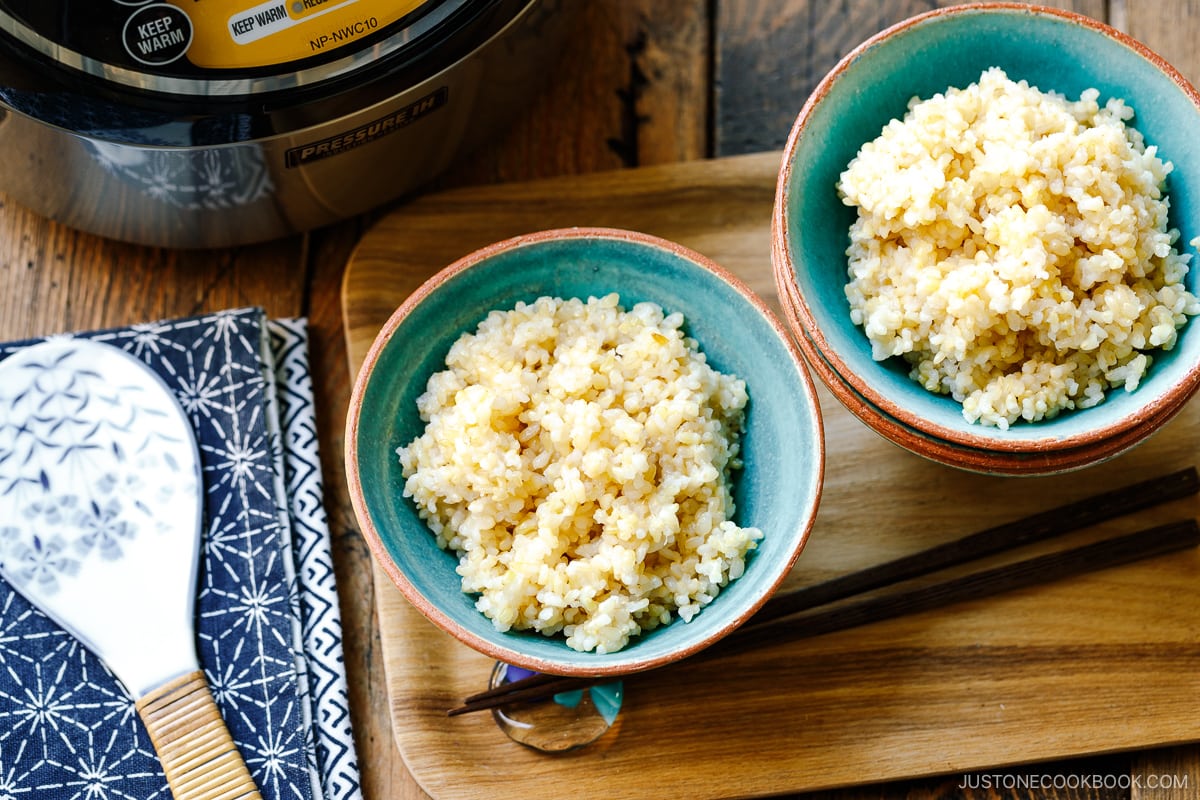
Types of Rice Cookers: Finding Your Perfect Match for Sushi
Choosing the right rice cooker for sushi can feel like a deep dive into technology, but understanding the main types will help clarify your decision. Each offers distinct advantages for achieving that ideal sushi rice texture.
Micom (Fuzzy Logic) Rice Cookers
These are the smart cookies of the rice cooker world. “Micom” stands for micro-computerized, and it refers to the “fuzzy logic” technology within. This intelligent system acts like a mini-chef, sensing the rice quantity and type, and then adjusting cooking time and temperature accordingly. It’s fantastic for sushi rice because it ensures uniform heating and optimal gelatinization of starch, leading to consistently perfect, fluffy, yet sticky grains every time. Brands like Zojirushi are renowned for their fuzzy logic models.
Induction Heating (IH) Rice Cookers
IH rice cookers take precision to another level. Instead of heating elements at the bottom, magnetic coils generate heat directly within the inner pot, ensuring uniform heating from all sides. This allows for incredibly fine temperature adjustments, which is crucial for delicate short-grain sushi rice. The result is rice that is cooked more evenly, with individual grains retaining their integrity while still achieving that desired plump and chewy texture.
Pressure Rice Cookers
Primarily found in Korean brands like Cuckoo, pressure rice cookers use elevated pressure during cooking. This not only significantly speeds up cooking time but also forces moisture deeply into each grain, leading to exceptionally soft, moist, and glutinous rice. For sushi, this can translate to wonderfully plump grains that hold together beautifully, though some might prefer a slightly firmer texture for certain sushi styles.
Conventional Rice Cookers
These are your basic, no-frills rice cookers. They typically have a single heating element and a simple on/off switch. While they can cook sushi rice, they lack the precision and advanced settings of Micom, IH, or pressure cookers, making consistent results more challenging. They are a budget-friendly entry point, but dedicated sushi enthusiasts often upgrade quickly.
Key Features and Technologies for Impeccable Sushi Rice
When selecting a sushi rice cooker, specific features truly elevate the outcome, transforming good rice into exceptional sushi rice.
Dedicated Sushi Rice Settings
Many premium rice cookers, especially those from Japanese brands, include a specific “sushi rice” setting. This mode is expertly calibrated to cook short-grain Japanese rice to the ideal consistency for sushi, balancing stickiness with individual grain definition. It takes the guesswork out of water ratios and cooking times.
Advanced Heating Methods (IH, Fuzzy Logic, Pressure)
As discussed, these technologies are the heart of a superior sushi rice cooker. Induction heating provides precise, all-around warmth, while fuzzy logic intuitively adapts to ensure flawless results. Pressure cooking yields extra-moist and plump grains, perfect for certain preparations. The combination of these, sometimes even in one machine, offers unparalleled control. Dr. Kenji Tanaka, a renowned food technologist specializing in grain science, emphasizes, “The precise temperature control offered by advanced IH and fuzzy logic rice cookers is paramount for sushi rice. It gelatinizes the starch perfectly, leading to that distinct chewy yet tender texture, essential for holding its shape without being mushy.”
Inner Pot Materials and Design
The inner pot plays a vital role. High-quality pots are typically thick, multi-layered, and made from materials like stainless steel with non-stick coatings, ceramic, or even titanium. These materials ensure even heat distribution and prevent scorching. Non-stick surfaces are also key for easy serving and cleaning.
Capacity and Convenience Features
Rice cookers come in various sizes, from compact 3-cup models perfect for individuals or couples to large 10-cup units ideal for entertaining. Beyond capacity, look for features like a delay timer for meal planning, an extended keep-warm function that maintains rice quality for hours, and clear water level markings that correspond to the included rice measuring cup (which is typically 180ml, not a standard US cup). Voice guidance and multiple cooking modes for other grain types also add to the convenience.
Top Sushi Rice Cooker Brands and Models We Recommend
Drawing from years of industry experience and consumer feedback, certain brands consistently stand out for their ability to produce perfect sushi rice.
Zojirushi: The Gold Standard
Zojirushi is almost synonymous with high-quality rice cookers, especially for Japanese cuisine. Their Neuro Fuzzy models, like the NS-ZCC10, utilize fuzzy logic to deliver flawless, shiny rice with a dedicated sushi setting. Their Induction Heating (IH) models, such as the NP-HCC10, offer laser-precision temperature control, resulting in resilient and glossy grains that could come straight from a Tokyo sushi bar. Reviewers often hail Zojirushi as the “Rolls-Royce of rice cookers” for its consistency and durability.
Cuckoo: Innovation and Pressure Cooking
Hailing from Korea, Cuckoo is a powerhouse in pressure rice cooking. Models like the CRP-P1009SW are celebrated for their ability to produce restaurant-quality sushi rice quickly. With large capacities and extensive menu options, Cuckoo cookers are perfect for larger families or frequent entertainers. They often feature voice guidance and advanced Fuzzy Logic.
Tiger: Reliability and Precision
Tiger rice cookers are formidable rivals to Zojirushi, particularly their IH models like the JKT-D10U. These cookers are known for producing plump, chewy grains, thanks to their induction heating and specific sushi rice settings. Tiger models often come with versatile cooking modes and durable ceramic-coated inner pans, making them a hit for Japanese cuisine lovers.
Yum Asia & Aroma: Emerging Favorites
Yum Asia, with models like the Panda Mini, offers fuzzy logic and ceramic-coated pans for a dreamy sushi rice texture, ideal for smaller households. Aroma Housewares provides budget-friendly yet effective options like the ARC-914SBD, a popular choice for beginners due to its simplicity and consistent results without a hefty price tag.
How to Cook Perfect Sushi Rice in Your Rice Cooker: A Step-by-Step Guide
Even with the best sushi rice cooker, mastering the technique is essential. Follow these steps for perfect sushi rice every time.
Choosing the Right Rice
The foundation of great sushi is the rice itself. Always opt for Japanese short-grain white rice, which is often explicitly labeled as “sushi rice” (e.g., Koshihikari, Nishiki, or Tamaki Gold). This type of rice has the ideal starch content to become sticky and plump when cooked, crucial for sushi. Avoid long-grain varieties like jasmine or basmati, as they lack the necessary stickiness.
Rinsing for Clarity
This is a critical, often debated step. While some traditionalists might skip it for extra stickiness, most experts recommend rinsing. Chef Aiko Nakamura, a seasoned sushi master, advises, “Rinsing sushi rice thoroughly is a non-negotiable step. It removes excess surface starch, preventing a gummy texture and allowing the individual grains to absorb the vinegar seasoning beautifully. Don’t rush this step!” Place the rice in a bowl and cover it with cold water. Swirl gently with your hand, drain, and repeat 4-8 times until the water runs mostly clear. This ensures cleaner flavor and prevents the rice from becoming overly gummy.
The Perfect Water Ratio
The general rule of thumb for sushi rice in a rice cooker is a 1:1 rice-to-water ratio. However, for a slightly firmer texture that’s ideal for shaping sushi, some recommend a 1:1.1 rice-to-water ratio. Always use the measuring cup that came with your rice cooker (typically 180ml, smaller than a standard US cup) and fill water to the corresponding lines in the inner pot if available.
Cooking Cycle: Patience is Key
Transfer the rinsed and drained rice to your rice cooker. If your cooker has a dedicated “sushi rice” setting, select it. Otherwise, the “white rice” setting will work well. Press start and let the magic happen. Crucially, do not lift the lid during cooking or immediately after. Once the cooking cycle is complete, allow the rice to steam for an additional 10-15 minutes with the lid closed. This resting period allows the steam to fully absorb, setting the texture and making the grains perfectly plump.
Seasoning Your Sushi Rice
While the rice cooks, prepare your sushi vinegar mixture. A common ratio is 2 tablespoons of rice vinegar, 1 tablespoon of sugar, and 1 teaspoon of salt for every 2 cups of cooked rice. Gently heat this mixture in a microwave or small saucepan until the sugar and salt are fully dissolved.
Cooling and Preparing for Sushi
Once the rice has rested, transfer it to a large, non-reactive bowl – traditionally a wooden hangiri, but a glass or ceramic bowl works perfectly. Drizzle the prepared sushi vinegar evenly over the hot rice. Using a rice paddle (or wooden spoon), gently fold and cut the rice, avoiding mashing the grains, which can turn them mushy. While mixing, use a handheld fan or a piece of cardboard to cool the rice to lukewarm temperature. This fanning technique gives the rice a beautiful glossy finish and prepares it for shaping. If not using immediately, cover the bowl with a damp, clean tea towel to keep the rice moist for up to four hours.
Tips for Buying and Maintaining Your Sushi Rice Cooker
Making an informed purchase and properly caring for your appliance will ensure years of perfect sushi rice.
What to Consider Before You Buy
- Budget: Prices range from affordable conventional models to high-end IH and pressure cookers. Decide what features are essential for your needs.
- Capacity: Match the size to your household. A 3-cup model suits 1-2 people, a 5.5-cup for 2-4, and 8-10 cups for larger families or entertaining.
- Technology: For true sushi rice perfection, invest in Micom (fuzzy logic) or Induction Heating (IH) models.
- Settings: Look for a dedicated “sushi rice” setting if possible, along with other useful presets.
- Ease of Cleaning: Removable inner lids and non-stick inner pots are a huge plus. Dishwasher-safe components simplify maintenance.
Maximizing Longevity: Cleaning and Care
To ensure your sushi rice cooker lasts for years, regular cleaning is vital. Always unplug the unit before cleaning. The inner pot, often non-stick, should be washed gently with a soft sponge and mild soap. Removable inner lids should also be detached and cleaned. Wipe down the exterior with a damp cloth. Avoid abrasive cleaners or scouring pads that can damage non-stick surfaces. Proper care prevents residue buildup and maintains cooking efficiency.
Beyond Sushi: Versatility of Your Rice Cooker
While optimized for sushi rice, these advanced appliances are incredibly versatile. Many come with multiple settings for various grains, including brown rice, mixed rice, porridge, and even quick-cook options. Some models include steam trays for simultaneously cooking vegetables or proteins. This multi-functionality makes a sushi rice cooker a valuable investment for any kitchen, capable of preparing a wide array of delicious and healthy meals beyond just your favorite sushi rolls.
Expert Insights: The Secret to Sushi Rice Perfection
Achieving truly remarkable sushi rice involves a blend of science and tradition. “The secret isn’t just one factor, but a symphony of precise temperature, consistent moisture, and gentle handling,” explains Dr. Kenji Tanaka. “Modern rice cookers provide the consistent environment that was once only possible through years of training.” Chef Aiko Nakamura adds, “Beyond the cooking, the seasoning and cooling process are equally important. It’s a dance between heat and vinegar, fanning and folding, that truly defines great sushi rice.”
Frequently Asked Questions (FAQ)
What type of rice is best for sushi?
Japanese short-grain white rice, often labeled “sushi rice,” is ideal. Brands like Koshihikari, Nishiki, or Tamaki Gold are excellent choices, known for their ability to become plump, sticky, and slightly chewy when cooked.
Do I really need a special rice cooker for sushi?
While a basic rice cooker can cook short-grain rice, a specialized sushi rice cooker with features like fuzzy logic or induction heating offers precise temperature control and dedicated settings, ensuring superior and consistent results for the distinct texture required for sushi.
What is fuzzy logic, and how does it help with sushi rice?
Fuzzy logic is a micro-computerized technology that allows the rice cooker to make automatic adjustments to cooking time and temperature based on the type of rice and environmental conditions. For sushi rice, it ensures optimal cooking for that perfect sticky yet separate grain texture.
How much water should I use for sushi rice in a rice cooker?
A common starting point is a 1:1 rice-to-water ratio, using the rice cooker’s measuring cup (approx. 180ml). Some experts suggest a slightly higher rice-to-water ratio, around 1:1.1, for a firmer rice texture better suited for shaping sushi.
Can I use brown rice for sushi?
While it’s possible, brown rice sushi will have a different texture and flavor profile. Brown rice is generally drier and less sticky. If attempting, use short-grain brown rice and consider soaking it beforehand, but expect a departure from traditional white sushi rice.
How do I properly season sushi rice?
After cooking, transfer hot rice to a non-reactive bowl and drizzle with a mixture of rice vinegar, sugar, and salt (typically 2 tbsp vinegar, 1 tbsp sugar, 1 tsp salt per 2 cups cooked rice). Gently fold and cut the rice with a paddle to distribute the seasoning without mashing.
What’s the ideal temperature for working with sushi rice?
Sushi rice should be cooled to a lukewarm temperature before shaping. Rice that is too hot will be difficult to handle and may fall apart, while cold rice can become hard and dry, losing its pliable texture. Fanning helps achieve this ideal temperature quickly.
Elevate Your Home Sushi Experience
Embracing the world of sushi rice cookers is more than just buying another kitchen gadget; it’s an investment in culinary excellence and an invitation to explore the delightful art of homemade sushi. With the right appliance and a few simple techniques, you’ll consistently achieve those glossy, perfectly textured grains that are the hallmark of authentic sushi. So, whether you’re a budding sushi chef or simply love the taste of well-made rice, let a quality sushi rice cooker be your trusted companion in the kitchen, transforming ordinary meals into extraordinary experiences.