For anyone who cherishes perfectly cooked rice, a staple across countless cultures and a cornerstone of Asian cuisine, the rice cooker is an indispensable kitchen ally. In an era where health and sustainability are paramount, the humble appliance has seen a significant evolution, with the Steel Rice Cooker emerging as a frontrunner. With over 15 years immersed in the home appliance industry, I’ve witnessed firsthand the shift in consumer preferences towards materials that offer not just convenience, but also peace of mind. This guide will delve deep into why steel rice cookers are revolutionizing our kitchens, offering a blend of robust durability, superior health benefits, and unparalleled cooking performance.
A Journey Through Time: The Evolution of Rice Cooker Materials
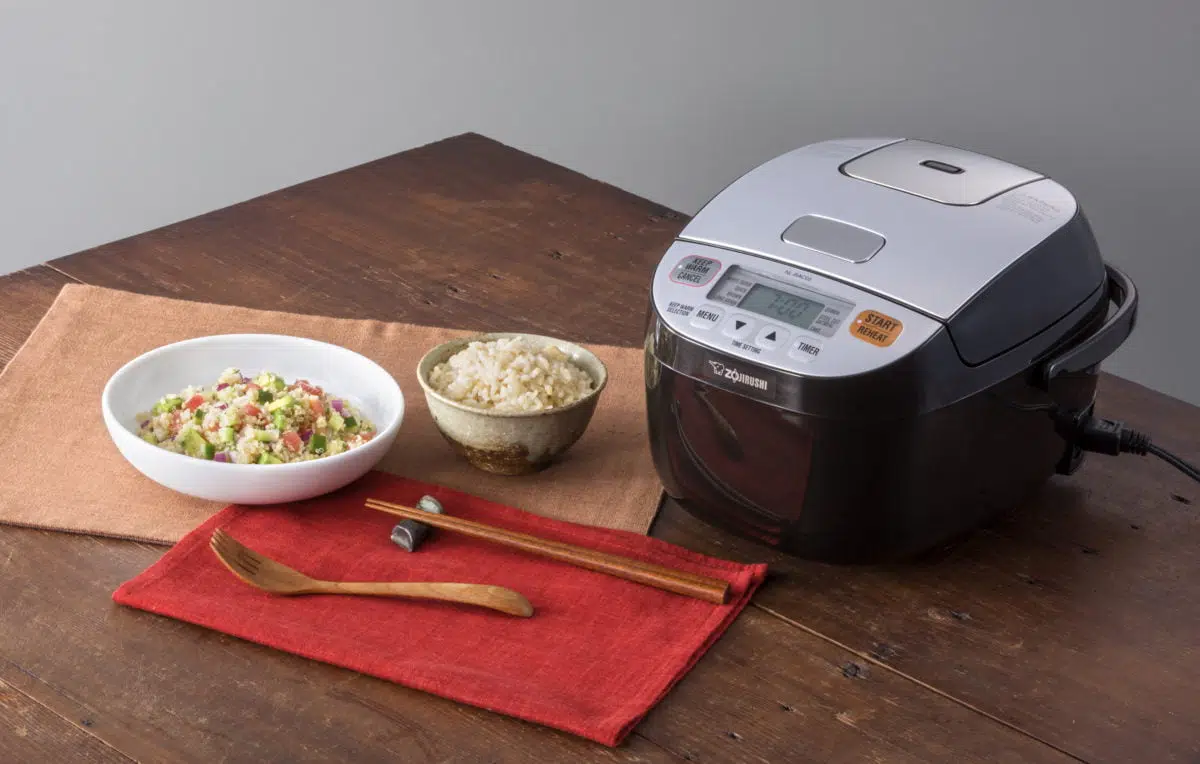
The history of the rice cooker is a fascinating tale of innovation, driven by the universal love for rice. Early models often featured aluminum inner pots, valued for their excellent heat conductivity and lightweight nature. As technology advanced, non-stick coatings gained immense popularity, promising effortless serving and cleaning. However, with increasing awareness about potential health concerns related to certain chemicals used in traditional non-stick surfaces, consumers began seeking safer alternatives. This paved the way for materials like ceramic and, most notably, high-grade stainless steel, to take center stage, marking a significant evolution towards healthier and more sustainable cooking solutions.
Why a Steel Rice Cooker? Unpacking the Core Benefits
Choosing a steel rice cooker is more than just a purchase; it’s an investment in your health, your kitchen’s longevity, and the quality of your meals. From my perspective at Reviewpodia.com, the benefits are clear and compelling.
Uncompromised Health and Safety
This is arguably the most significant advantage. Stainless steel is celebrated as one of the ‘safest’ materials for food preparation. It is inherently non-toxic and non-reactive, meaning it won’t leach chemicals or alter the taste of your food, even when subjected to high temperatures or when cooking acidic ingredients like tomatoes. Unlike some non-stick coatings where concerns about PFOA and PTFE have lingered for consumers, a high-quality stainless steel inner pot provides a chemical-free cooking surface you can trust. This is crucial for families, especially those preparing meals for children or individuals with sensitivities.
Built to Last: The Durability Advantage
A steel rice cooker is synonymous with longevity. Stainless steel is incredibly durable, corrosion-resistant, and can withstand years of rigorous use without showing signs of wear and tear like scratching or flaking. This robust construction means you won’t find yourself replacing your rice cooker’s inner pot every few years, making it a cost-effective and environmentally friendly choice in the long run. The initial investment might be slightly higher than basic non-stick models, but its extended lifespan offers true value for money.
Effortless Maintenance
While some might worry about rice sticking in a stainless steel pot, cleaning is surprisingly straightforward. Most stainless steel inner pots are dishwasher-safe, offering unparalleled convenience for busy households. For handwashing, warm soapy water and a soft sponge are usually all you need. The absence of delicate coatings means you can clean it thoroughly without fear of damage.
Pure Flavor, Every Time
Because stainless steel is non-reactive, it ensures that the natural flavors of your rice and other ingredients remain pure and untainted. There’s no metallic aftertaste or chemical interference, allowing you to enjoy the authentic aroma and taste of perfectly cooked grains.
Understanding the Heart of the Cooker: Stainless Steel Inner Pots
The core of any steel rice cooker is its inner pot. Most reputable manufacturers use food-grade stainless steel, often 304 grade, known for its excellent resistance to corrosion and high temperatures. These pots are designed for even heat distribution, which is vital for consistent cooking and preventing hot spots that can lead to burnt rice. The thickness and construction of the inner pot also play a role, with thicker, bottom-heavy designs promoting more uniform heat spread.
Beyond the Basics: Features and Technologies to Elevate Your Cooking
Modern steel rice cooker models come packed with intelligent features that go far beyond simply cooking rice. As a specialist, I appreciate how these innovations enhance the user experience:
- Induction Heating (IH): This advanced technology turns the entire inner pot into the heating element, providing precise temperature control and incredibly even cooking. IH rice cookers are renowned for producing exceptionally fluffy and consistently cooked rice.
- Fuzzy Logic / Micom Technology: These “smart” features allow the rice cooker to make automatic fine adjustments to cooking time and temperature, adapting to different types of rice and even minor measuring errors. This ensures optimal results every single time, taking the guesswork out of rice preparation.
- Digital Controls and Preset Programs: Many models offer intuitive digital interfaces with preset programs for various rice types (white, brown, mixed grains, sushi rice) and other functions like steaming, porridge, or slow cooking.
- Keep-Warm Function: An essential feature, it automatically switches to a keep-warm mode after cooking, maintaining the ideal serving temperature for hours without drying out or overcooking the rice.
- Multi-Cooking Versatility: Many steel rice cookers, especially multi-cookers like the Instant Pot, are designed to replace several kitchen gadgets. They can function as pressure cookers, slow cookers, steamers, and even sauté pans, making them incredibly versatile additions to any kitchen.
Mastering Your Steel Rice Cooker: Usage and Care Tips
While steel rice cookers are incredibly durable, a few simple practices can help you achieve perfect results and maintain your appliance for years to come.
How to Prevent Sticking
One common concern for users transitioning from non-stick to steel is rice sticking. Here are my tried-and-true tips:
- Rinse Your Rice Thoroughly: This is crucial! Rinsing removes excess starch, which is a primary culprit for sticking. Continue rinsing until the water runs clear.
- Accurate Water-to-Rice Ratio: Always follow the manufacturer’s recommended water-to-rice ratio for your specific model and rice type. This is key to perfectly cooked grains that are less prone to sticking.
- A Touch of Oil or Butter: Adding a small amount of cooking oil or butter to the water before cooking can create a barrier that helps prevent sticking.
- Let It Rest: After the cooking cycle finishes and the cooker switches to “keep warm” (or before you unplug it), let the rice sit undisturbed for 10-15 minutes. This allows the steam to redistribute, resulting in fluffier rice that releases more easily from the pot.
- Avoid Scraping: Use a plastic or silicone rice paddle to scoop out the rice, rather than metal utensils, to prevent unnecessary scratches, even though stainless steel is highly resistant.
General Cleaning and Maintenance
- Dishwasher Safe: Many stainless steel inner pots are dishwasher safe, simplifying cleanup. Always check your model’s manual.
- Handwashing: For optimal care, handwash the inner pot with warm, soapy water and a soft sponge.
- Exterior: Wipe down the exterior of the cooker with a damp cloth.
Navigating the Market: Choosing Your Ideal Steel Rice Cooker
Selecting the perfect steel rice cooker involves considering your specific needs and preferences.
- Capacity: Determine the appropriate size based on your household’s needs – from compact 3-cup models ideal for singles or couples to large 10-cup (uncooked rice) capacities suitable for families or entertaining.
- Features: Do you need advanced features like IH heating, fuzzy logic, or multi-cooking functions, or will a simple, reliable model suffice?
- Budget: Steel rice cookers range in price, with basic models being quite affordable and advanced IH models representing a more significant investment. Consider the long-term value and durability.
- Brand Reputation: Stick with established brands known for quality and customer service in rice cooker technology, such as Zojirushi, Aroma, or Instant Pot.
Steel vs. Other Materials: A Quick Comparison
While this article champions steel, it’s worth briefly comparing it with other common inner pot materials:
- Stainless Steel: Offers the best balance of health, durability, versatility, and ease of cleaning.
- Non-stick (PTFE coated): Highly convenient for non-stick properties but has concerns about coating degradation over time and potential health impacts if scratched or overheated (though modern PTFE is generally considered safe for everyday use below 500°F).
- Ceramic: A chemical-free option offering good heat distribution and often praised for gentle cooking. It’s a healthy alternative to non-stick, though some steel rice cookers offer greater versatility.
- Clay Pots: A traditional and increasingly popular alternative, clay pots are lauded for being inert, preserving nutrients, and radiating gentle heat for a unique texture.
Steel Rice Cooker Spotlight: Top Brands and Models
The market offers excellent steel rice cooker options from various reputable brands.
- Aroma Housewares: Often recognized for offering reliable stainless steel rice cookers at a more budget-friendly price point, like the Aroma 6-Cup Select Stainless Rice Cooker. These are great entry-level options for those prioritizing a steel inner pot without a premium cost.
- Zojirushi: A leader in advanced rice cooker technology, Zojirushi offers high-end models with stainless steel components, often featuring sophisticated Micom or Neuro Fuzzy logic and Induction Heating systems. Their products are an investment for serious rice aficionados.
- Instant Pot: While primarily known as a multi-cooker, many Instant Pot models come with a stainless steel inner pot, making them a popular choice for those seeking a versatile appliance that can cook excellent rice alongside a myriad of other dishes.
Beyond Rice: Creative Culinary Uses for Your Steel Cooker
Don’t let the name limit your imagination! A steel rice cooker can be a surprisingly versatile appliance in your kitchen.
- One-Pot Wonders: Prepare hearty one-pot meals like chili, stews, or even pasta dishes directly in your steel pot. The even heating is fantastic for simmering.
- Steaming Vegetables and Proteins: Many models come with a steaming tray, allowing you to steam healthy vegetables, dumplings, or even fish while your rice cooks below, maximizing efficiency.
- Cooking Other Grains: Beyond white and brown rice, your steel cooker can perfectly prepare quinoa, oatmeal, couscous, and other grains.
- Soups and Broths: The “keep warm” function is excellent for slow-cooking broths or keeping soups at serving temperature.
|
Our Picks for the Best Rice Cooker in 2026
As an Amazon Associate I earn from qualifying purchases.
|
||
| Num | Product | Action |
|---|---|---|
| 1 | CUCKOO Micom Rice Cooker 6-Cup Uncooked / 12-Cup Cooked with Nonstick Inner Pot, Versatile Rice Maker with 9 Menu Options, Fuzzy Logic Technology, Auto Clean, Quick Rice Mode, White (CR-0675FW) |

|
| 2 | Hamilton Beach Digital Programmable Rice Cooker & Food Steamer, 8 Cups Cooked (4 Uncooked), With Steam & Rinse Basket, Stainless Steel (37518) |
|
| 3 | BLACK+DECKER 16-Cup Rice Cooker, RC516, 8-Cup Uncooked Rice, Steaming Basket, Removable Non-Stick Bowl, One Touch |
|
| 4 | AROMA® Rice Cooker, 3-Cup (Uncooked) / 6-Cup (Cooked), Small Rice Cooker, Oatmeal Cooker, Soup Maker, Auto Keep Warm, 1.5 Qt, White, ARC-363NG |
|
| 5 | CUCKOO Micom Rice Cooker 3-Cup Uncooked / 6-Cup Cooked with Nonstick Inner Pot, Small Rice Maker with 8 Menu Options, Fuzzy Logic Technology, Auto Clean, Quick Rice Mode, Gray (CR-0375FG) |
|
| 6 | CUCKOO Micom Rice Cooker 3-Cup Uncooked / 6-Cup Cooked with Nonstick Inner Pot, Small Rice Maker with 8 Menu Options, Fuzzy Logic Technology, Auto Clean, Quick Rice Mode, Gray (CR-0375FG) |
|
| 7 | AROMA Digital Rice Cooker, 4-Cup (Uncooked) / 8-Cup (Cooked), Steamer, Grain Cooker, Multicooker, 2 Qt, Stainless Steel Exterior, ARC-914SBD |
|
| 8 | COMFEE\' Mini Rice Cooker 4 Cups Cooked/2 Cups Uncooked, Portable Non-Stick rice maker, 24 hours Timer Delay, 6 Functions, Fast Cooker, Brown Rice, Oatmeal, White |
|
| 9 | AROMA Professional Digital Rice Cooker, Multicooker, 4-Cup (Uncooked) / 8-Cup (Cooked), Steamer, Slow Cooker, Grain Cooker, 2Qt, Stainless Steel Exterior, ARC-994SG |
|
| 10 | CUCKOO High Pressure Rice Cooker 10-Cup Uncooked / 20-Cup Cooked with Nonstick Inner Pot, Large Rice Maker with 13 Menu Options and Steam Plate, Fuzzy Logic Tech, Voice Guide, Black (CRP-P1009SB) |
|
Frequently Asked Questions (FAQ)
Are steel rice cookers truly non-toxic?
Yes, high-quality food-grade stainless steel is considered one of the safest cooking materials as it is non-reactive and does not leach chemicals into food, even when heated or scratched.
Does rice stick a lot in steel pots?
Rice can stick more in a stainless steel pot compared to a non-stick one. However, thorough rinsing of the rice, using the correct water-to-rice ratio, adding a small amount of oil, and allowing the rice to rest after cooking can significantly reduce sticking.
Can I put a steel rice cooker pot in the dishwasher?
Most stainless steel inner pots are dishwasher safe, making cleanup very convenient. Always consult your specific model’s manual to confirm.
What kind of rice cooker is best for health?
For health-conscious consumers, rice cookers with stainless steel, ceramic, or pure clay inner pots are generally considered the best as they are free from synthetic non-stick coatings and do not leach chemicals.
What is the difference between stainless steel and ceramic inner pots?
Both stainless steel and ceramic inner pots offer non-toxic cooking. Stainless steel is known for its extreme durability and versatility, often supporting more diverse cooking functions. Ceramic pots are praised for gentle heat distribution and are also a chemical-free choice, often favored for delicate grains.
Conclusion
The steel rice cooker represents a harmonious blend of traditional culinary needs with modern demands for health, durability, and technological sophistication. As a specialist dedicated to empowering consumers with informed choices, I firmly believe that investing in a high-quality steel rice cooker is a smart move for any kitchen. Its robust construction ensures years of reliable service, while its non-toxic cooking surface offers peace of mind. By embracing a steel rice cooker, you’re not just cooking rice; you’re cultivating a healthier, more efficient, and undeniably delicious culinary experience every single day. Make the smart switch and optimize your rice cooking journey!