Imagine a kitchen where every meal is a step towards better health, where your cooking appliances are as steadfast as they are sleek. This isn’t a futuristic dream; it’s the reality offered by the humble yet mighty Stainless Steel Rice Cooker. In a world increasingly conscious of food safety and sustainability, these appliances are emerging as the healthier, more durable alternative to their non-stick counterparts, promising not just perfectly cooked rice but also peace of mind. As a seasoned expert with over 15 years in the home appliance industry and a keen eye on culinary trends, I’ve seen countless innovations, but the return to fundamental, robust materials like stainless steel for everyday cooking truly stands out.
The Enduring Appeal of Stainless Steel: A Look Back at Rice Cooker Evolution
The journey of the rice cooker from a simple kitchen tool to a sophisticated appliance reflects a broader evolution in home cooking. Early rice cookers were primarily basic devices with aluminum inner pots, often coated with non-stick materials like Teflon (PTFE). While these coatings offered unparalleled convenience by preventing rice from sticking, concerns regarding their chemical composition and long-term durability began to grow. This shift in consumer awareness propelled a demand for safer, more resilient cooking surfaces.
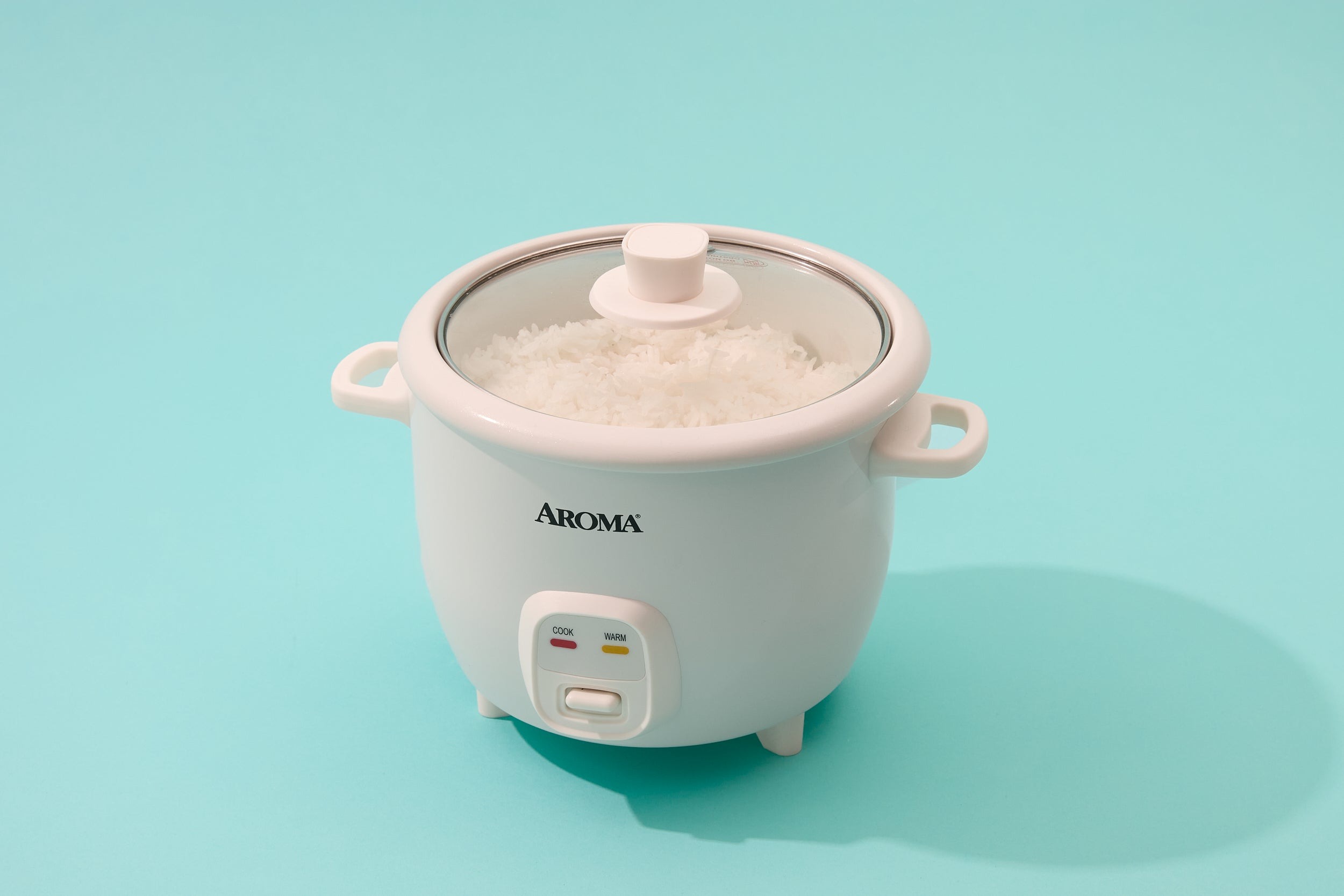
This is where the stainless steel rice cooker truly shines. It represents a pivot back to foundational cooking principles, prioritizing material integrity and health over fleeting convenience. The transition from potentially questionable coatings to pure, food-grade stainless steel signifies a major leap forward, driven by health-conscious consumers and advancements in manufacturing. Modern stainless steel rice cookers blend this traditional material with contemporary heating technologies, offering the best of both worlds: timeless safety and modern efficiency.
Why Choose a Stainless Steel Rice Cooker? Unpacking the Core Benefits
Choosing a stainless steel rice cooker is more than just a purchase; it’s an investment in healthier cooking and long-term kitchen reliability. The advantages are compelling and cater to the diverse needs of today’s households.
Health and Safety: A Chemical-Free Cooking Experience
One of the most significant reasons homeowners are flocking to stainless steel is its exceptional health and safety profile. Unlike many non-stick pots, stainless steel inner pots are entirely free from PTFE (Polytetrafluoroethylene) and PFOA (Perfluorooctanoic Acid) chemicals. These are the substances often associated with health concerns when non-stick coatings begin to degrade or are heated to high temperatures.
“When you opt for a stainless steel rice cooker, you’re essentially choosing a cooking vessel that won’t interfere with your food’s purity,” notes Dr. Eleanor Vance, a leading food safety chemist. “Stainless steel is a non-reactive material, meaning it won’t leach chemicals or alter the taste of your rice, even when cooking acidic ingredients or at high heat.” This ensures that every grain of rice you prepare is as pure and natural as intended, free from unwanted additives.
Unmatched Durability and Longevity
Durability is another hallmark of the stainless steel rice cooker. This robust material is highly resistant to scratches, dents, and corrosion, standing up to the rigors of daily use much better than softer non-stick coatings which can chip or peel over time. While a non-stick pot might need replacement every few years due to wear and tear, a good quality stainless steel pot can last for a decade or more, making it a truly sustainable choice. This longevity translates into excellent long-term value, as you won’t need to frequently replace your inner pot.
Easy Maintenance: Simple Cleaning, Often Dishwasher Safe
Concerns about cleaning a pot that isn’t inherently non-stick are common, but stainless steel often makes maintenance surprisingly straightforward. Most stainless steel rice cooker inner pots are dishwasher safe, offering unparalleled convenience. For handwashing, the polished surface is easy to clean with warm, soapy water and a soft sponge. Even stubborn, stuck-on rice can be tackled effectively with a simple soak, proving that you don’t need synthetic coatings for a hassle-free cleanup.
Popular Types and Innovations in Stainless Steel Rice Cookers
The market for stainless steel rice cooker models is growing, with manufacturers offering a range of options to suit various preferences and budgets.
You’ll find dedicated rice cookers with stainless steel inner pots, designed specifically for cooking perfect rice and grains. These often come from brands like Aroma and Elite Gourmet, providing reliable performance without a non-stick coating. Beyond the basic models, many versatile multi-cookers, such as certain Instant Pot versions, also feature stainless steel inner pots, expanding their utility beyond just rice to pressure cooking, slow cooking, and steaming.
Innovations like Induction Heating (IH) technology are also making their way into premium stainless steel rice cooker models, notably from brands like Zojirushi and Cuckoo. IH technology uses electromagnetic fields to heat the entire inner pot directly, rather than just the bottom, resulting in incredibly precise temperature control and more evenly cooked rice. This advanced heating ensures every grain reaches its optimal texture, whether you prefer fluffy white rice or perfectly chewy brown rice. Micom (microcomputerized) and Neuro Fuzzy logic further refine the cooking process by making automatic adjustments based on detected rice types and quantities, taking the guesswork out of preparing diverse grains.
Addressing the Elephant in the Room: Preventing Rice from Sticking
One of the most frequent questions I encounter about stainless steel rice cooker models is, “Doesn’t the rice stick?” It’s a valid concern, as stainless steel doesn’t have the inherent slippery surface of a non-stick coating. However, with a few simple techniques, achieving fluffy, non-stick rice in a stainless steel pot is entirely achievable.
The Science of Sticking: Why it Happens in Stainless Steel
Rice sticking to stainless steel primarily occurs due to starch. When rice cooks, it releases starch, which can then gel and adhere to the heated metal surface, especially if there isn’t enough moisture or if the temperature is too high for too long at the end of the cooking cycle.
Expert Tips for Fluffy, Non-Stick Rice Every Time
- Rinse Your Rice Thoroughly: This is arguably the most crucial step. Rinsing rice under cold water until the water runs clear removes excess surface starch, significantly reducing sticking.
- Add a Touch of Oil or Butter: Before adding your rinsed rice and water, lightly coat the bottom and lower sides of the stainless steel inner pot with a thin layer of cooking oil or butter. This creates a barrier that helps prevent sticking.
- Perfect Your Water-to-Rice Ratio: While general guidelines exist (e.g., 1:1 for white rice, 1:2.5 for brown rice), fine-tuning the ratio to your specific rice cooker and rice type is key. Experiment slightly to find what works best.
- The “Resting” Period is Critical: Once your stainless steel rice cooker signals that cooking is complete (and ideally, has switched to a “keep warm” setting or you’ve turned it off), do not open the lid immediately. Let the rice rest undisturbed for 5-15 minutes with the lid on. The trapped steam continues to hydrate the rice, allowing it to firm up and naturally release from the pot’s surface. This gentle steaming action is often the secret to perfectly separated, non-stick grains.
- Use the Right Utensils: Always use a plastic or silicone rice paddle to scoop out your rice, even with stainless steel. Metal utensils can scratch the pot over time, making future sticking more likely.
Navigating the Market: How to Choose Your Ideal Stainless Steel Rice Cooker
Selecting the perfect stainless steel rice cooker involves considering your specific needs and preferences.
- Capacity: Rice cookers come in various sizes, typically measured in uncooked cups (e.g., 3-cup, 5.5-cup, 10-cup). A 3-cup model is ideal for singles or small families, while larger families or those who entertain frequently might prefer a 5.5-cup or 10-cup model. For even bigger batches or commercial use, capacities up to 20 cups are available.
- Features: Beyond basic “cook” and “warm” functions, look for features like delay timers (great for meal prepping), specific settings for different rice types (white, brown, sushi, GABA), and multi-cook functions if you want a versatile appliance that can also steam vegetables or make porridge.
- Technology: If precision and consistency are paramount, consider models with Induction Heating (IH), Micom, or Neuro Fuzzy logic, which offer superior temperature control and adapt to produce consistently perfect rice.
- Budget vs. Investment: While stainless steel rice cooker options might have a slightly higher upfront cost than basic non-stick models, their durability and health benefits often make them a more economical and worthwhile long-term investment.
Leading brands like Zojirushi, Instant Pot, Aroma Housewares, Elite Gourmet, and Cuckoo offer excellent stainless steel options, each with its unique strengths. Zojirushi, for example, is renowned for its premium IH and Micom models, delivering exceptional rice texture. Aroma provides more budget-friendly yet reliable options, while Instant Pot excels in versatile multi-cooker functionality.
Mastering Your Stainless Steel Rice Cooker: A Step-by-Step Usage Guide
Getting the best out of your stainless steel rice cooker is simple once you understand the basic steps:
- Measure Your Rice: Use the measuring cup provided with your rice cooker (it’s often smaller than a standard US cup) to measure the desired amount of dry rice.
- Rinse Thoroughly: Place the measured rice in a fine-mesh sieve and rinse under cold running water, swirling the rice with your hand until the water runs clear. This step is crucial for preventing sticking and achieving light, fluffy rice.
- Add to Pot with Oil/Butter: Transfer the rinsed rice to your stainless steel rice cooker inner pot. If you wish, add a tiny amount of cooking oil or a pat of butter to the pot before adding the rice to further aid in preventing sticking.
- Add Water: Refer to your cooker’s instructions or the lines on the inner pot for the correct water-to-rice ratio. For general white rice, a 1:1 ratio is a good starting point, adjusting as needed for brown rice or other grains.
- Cook: Close the lid securely and select the appropriate cooking program (e.g., “White Rice,” “Brown Rice”). Press “Start.”
- Rest: Once cooking is complete and the cooker switches to “Keep Warm,” let the rice rest for 5-15 minutes with the lid closed. This resting period is vital for texture and prevents sticking.
- Serve: Fluff the rice gently with a rice paddle and serve.
Beyond Rice: Versatile Cooking with Your Stainless Steel Pot
A stainless steel rice cooker is far from a one-trick pony. Its robust nature and stable cooking environment make it surprisingly versatile, transforming it into a true kitchen workhorse. Many models with “multi-cook” or “steam” functions can prepare a variety of dishes. You can easily steam vegetables, cook quinoa, barley, or oats, and even prepare soups, stews, or chili. This versatility is particularly beneficial for smaller kitchens where counter space is at a premium, as one appliance can handle numerous cooking tasks, maximizing your culinary creativity without clutter.
Keeping Your Rice Cooker Pristine: Essential Cleaning and Maintenance Tips
Maintaining your stainless steel rice cooker ensures its longevity and consistent performance.
- Daily Cleaning:
- Unplug and Cool: Always unplug the cooker and allow the inner pot and exterior to cool completely before cleaning. Thermal shock can damage materials.
- Remove and Wash: Take out the inner pot, steam tray, and any removable parts (like the condensation collector). Wash these with warm, soapy water and a soft sponge. Many stainless steel inner pots are dishwasher safe.
- Wipe Exterior: Use a damp cloth to wipe down the exterior of the cooker and the inside of the lid. Pay attention to steam vents and seals where residue can accumulate.
- Dry Thoroughly: Ensure all components are completely dry before reassembling.
- Dealing with Stubborn Stains:
- Soak: For stubbornly stuck-on rice, soak the inner pot in warm, soapy water for a few hours or even overnight. This will typically loosen the residue, making it easy to wipe away.
- Vinegar Solution: For minor discoloration or tough starch buildup, boil a solution of one cup distilled white vinegar and one cup water in the inner pot. Let it cool, then wash as usual.
- What to Avoid:
- Abrasives: Never use steel wool, abrasive scrubbers, or harsh chemical cleaners, as these can scratch the stainless steel surface.
- Metal Utensils: Stick to plastic or silicone utensils to protect the pot’s finish.
Frequently Asked Questions About Stainless Steel Rice Cookers
Q1: Is a stainless steel rice cooker healthier than a non-stick one?
A: Yes, generally. Stainless steel inner pots are free from PTFE and PFOA chemicals found in many non-stick coatings, offering a non-reactive and chemical-free cooking surface.
Q2: Does rice always stick to a stainless steel rice cooker?
A: Not if you follow proper techniques! Rinsing rice thoroughly, adding a little oil or butter, and allowing the rice to “rest” with the lid closed after cooking are key steps to prevent sticking.
Q3: Can I use metal utensils in a stainless steel rice cooker?
A: While stainless steel is durable, it’s best to use plastic or silicone utensils to avoid scratching the surface over time, which could potentially lead to increased sticking.
Q4: Are stainless steel rice cooker inner pots dishwasher safe?
A: Most stainless steel inner pots are dishwasher safe, making cleanup very convenient. Always check your specific model’s manual to confirm.
Q5: What’s the best way to clean a stained stainless steel rice cooker?
A: For stubborn stains or discoloration, soak the pot in warm, soapy water, or boil a solution of equal parts white vinegar and water in the pot, then wash with a soft sponge.
Q6: Are stainless steel rice cookers suitable for cooking other grains besides rice?
A: Absolutely! Many stainless steel rice cooker models are versatile and can be used to cook a variety of grains like quinoa, barley, and oats, as well as steam vegetables or even make soups.
Conclusion
The stainless steel rice cooker stands as a testament to the enduring value of quality materials and thoughtful design in the kitchen. It’s a choice that prioritizes health, offering a chemical-free cooking experience that many are seeking. Its robust durability ensures it will be a staple in your kitchen for years to come, providing excellent long-term value. While it might require a slight adjustment in cooking habits to master the art of non-stick rice, the rewards are perfectly cooked grains and the peace of mind that comes with knowing you’re investing in both your well-being and a reliable, versatile appliance. Embrace the stainless steel revolution and elevate your everyday cooking to a new standard of excellence.