The humble rice cooker has transformed from a simple kitchen appliance into a sophisticated culinary tool, but with this evolution comes a bewildering range of Rice Cooker Prices. From budget-friendly basics to high-tech, multi-functional marvels, the cost can vary dramatically. As a seasoned expert in home appliance technology and a content creator for Reviewpodia.com, I’m here to demystify these price tags, helping you understand what drives the cost and how to make the smartest purchasing decision for your perfect grain.
The Evolution of Rice Cookers: From Basic to Brilliant
The journey of the rice cooker began with simple, single-function electric models designed to cook rice without constant supervision. These early iterations primarily used a basic heating element and a thermostat, offering a consistent result far superior to stovetop methods for many. As technology advanced and Asian cuisine gained global popularity, the demand for perfectly cooked rice spurred innovation, introducing micro-computerized (MICOM) or “fuzzy logic” systems. These intelligent cookers could make subtle adjustments to cooking time and temperature, adapting to different rice types and ensuring a superior texture.
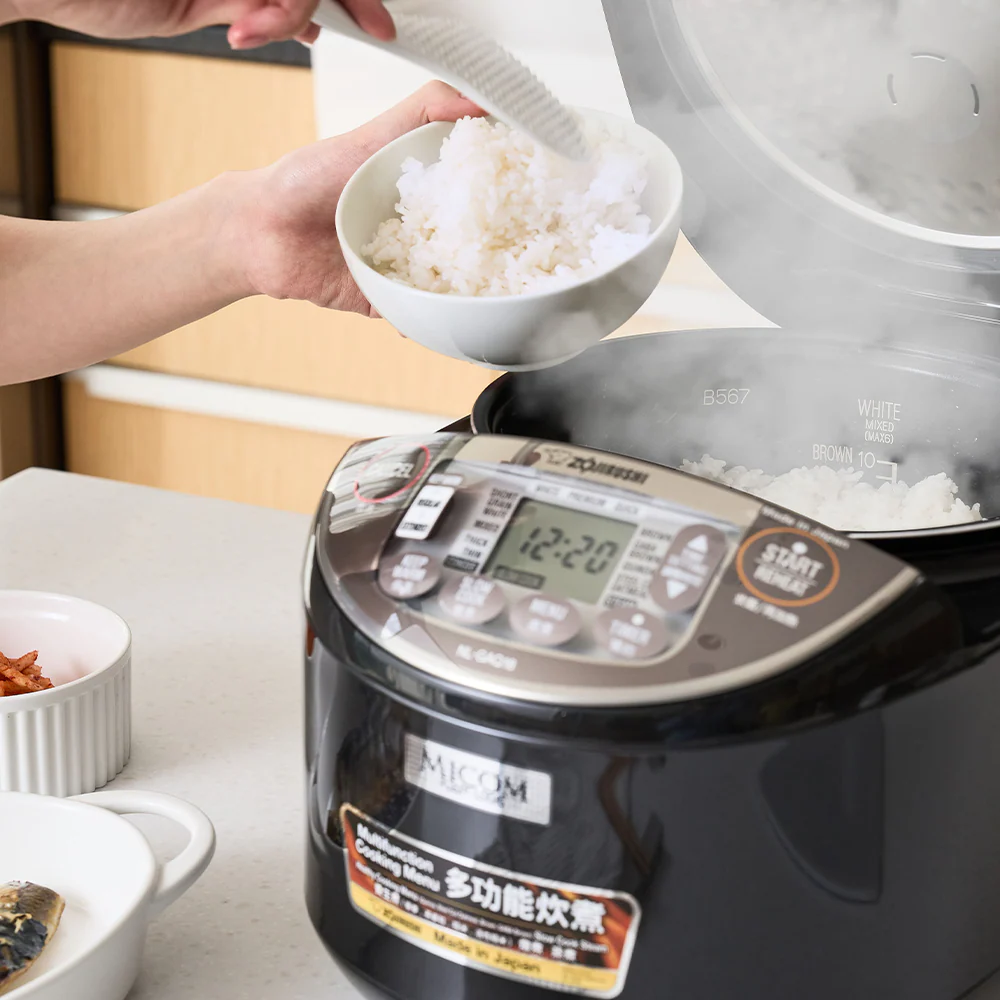
Today, the market boasts advanced Induction Heating (IH) models, which provide incredibly even heat distribution, and even pressure induction heating units that drastically cut down cooking time while enhancing flavor. The latest smart rice cookers integrate AI and IoT capabilities, allowing for app control and personalized cooking. Each technological leap, while elevating the cooking experience, has naturally impacted the rice cooker price, pushing it from a modest expense to a significant investment for some models.
Types of Rice Cookers and Their Price Points
Understanding the different types of rice cookers is key to deciphering their price. Each category offers varying levels of performance, features, and, consequently, cost.
Basic/Conventional Rice Cookers
These are the entry-level models, typically featuring a single “cook” button and a “keep warm” function. They operate with a direct heating element at the base. While simple, they effectively cook white rice. You can expect to find these basic rice cookers priced between $20 and $50. Brands like Aroma Housewares and Dash offer reliable options in this segment. They are ideal for students, small households, or those who cook rice infrequently and don’t require specialized settings.
Fuzzy Logic (MICOM) Rice Cookers
Stepping up in sophistication, fuzzy logic rice cookers incorporate a microcomputer chip that “thinks” as it cooks. This allows the cooker to sense moisture levels and temperature, making minor adjustments to ensure consistently perfect rice. They often come with multiple presets for different rice types like brown rice, sushi rice, or porridge. These intelligent units generally fall into the $50 to $200 price range. Zojirushi’s Neuro Fuzzy models and Tiger Micom cookers are popular examples, offering enhanced precision and versatility.
Induction Heating (IH) Rice Cookers
Induction Heating technology uses magnetic fields to heat the entire inner pot, rather than just the bottom. This results in incredibly uniform cooking, precise temperature control, and the ability to bring out the best texture and flavor from every grain. IH models are highly efficient and durable. Given their advanced heating mechanism, the rice cooker price for IH models typically ranges from $200 to $400 or more. Zojirushi’s Induction Heating Rice Cookers are renowned for their performance in this category.
Pressure Induction Heating Rice Cookers
The pinnacle of rice cooking technology, these combine the even heating of IH with the benefits of pressure cooking. Pressure cooking significantly reduces cooking time and can produce exceptionally fluffy, tender rice with enhanced texture and sweetness, particularly for brown and mixed grains. These are often the most expensive models, with rice cooker prices starting around $300 and reaching upwards of $700. Cuckoo and higher-end Zojirushi models often feature this advanced technology, catering to enthusiasts and those seeking the ultimate rice cooking experience.
Smart/IoT Rice Cookers
The latest trend in kitchen technology, smart rice cookers integrate with your home network, allowing control via smartphone apps. They can offer features like remote starting, recipe suggestions, and even self-cleaning cycles. While the technology is still evolving, these convenience-driven appliances carry a premium. The smart rice cooker market was valued at $15.68 billion in 2025 and is projected to reach $22.7 billion by 2035, indicating a strong growth trajectory driven by tech-savvy consumers. [cite: 2 Smart Rice Cooker] Prices for these can vary widely but often align with high-end IH or pressure models.
What Influences the Rice Cooker Price Tag? Key Factors Explained
Beyond the basic type, several critical factors contribute to the overall rice cooker price. Understanding these elements can help you identify where your money is going and if a particular feature is worth the investment for your needs.
Technology & Heating Elements
This is perhaps the biggest differentiator. A simple coil heating element is less costly than fuzzy logic, which in turn is less expensive than Induction Heating. Pressure cooking capabilities, especially when combined with IH, further elevate the price due to the complex engineering involved. The ability to sense, adapt, and precisely control temperature throughout the cooking cycle is a significant value driver.
Capacity & Size
Larger capacity rice cookers generally come with a higher price tag. A 3-cup capacity (for uncooked rice, yielding about 6 cups cooked) is perfect for singles or couples, while a 5.5-cup model suits a family of four. Larger 10-cup or 12-cup units are designed for bigger families or commercial use. The physical footprint on your countertop also influences the design and material costs.
Inner Pot Material & Quality
The material and coating of the inner pot play a crucial role in cooking performance, durability, and health safety, directly affecting the rice cooker price.
- Non-stick coatings: Common in budget models, these prevent sticking but can wear down over time.
- Ceramic coatings: Offer improved non-stick properties and are often considered healthier, found in mid-range to higher-end models.
- Stainless steel: Highly durable and non-reactive, but can be prone to sticking if not properly maintained. Premium models may feature multi-layer inner pots designed for optimal heat transfer and retention.
Brand Reputation & Origin
Certain brands, particularly those from Japan like Zojirushi, Cuckoo, and Tiger, have earned a reputation for precision engineering, advanced technology, and consistent results. These brands often have decades of experience in perfecting rice cooking and invest heavily in research and development, leading to higher-quality components and, consequently, a higher rice cooker price. While reputable, other brands like Aroma and Hamilton Beach offer excellent value in their respective segments.
Advanced Features
The more bells and whistles a rice cooker has, the higher its price. These can include:
- Multiple Cooking Settings: Dedicated programs for white, brown, sushi, sweet, mixed rice, porridge, congee, and even GABA (sprouted brown rice) options.
- Extended Keep-Warm: High-end models can keep rice warm and fresh for over 12 hours without drying it out or changing its texture.
- Delay Timers: Allowing you to set the cooking cycle to finish at a specific time.
- Texture Customization: Some advanced IH models let you choose your preferred rice texture (e.g., regular, soft, or firm).
- Multi-cook Functions: Beyond rice, some cookers can steam vegetables, make soups, or even bake cakes.
- Self-cleaning functions and easy-to-read digital displays also add to the value and cost.
Finding Your Perfect Match: Rice Cooker Price by Budget
Choosing the right rice cooker at the right price involves balancing your cooking habits, desired features, and budget.
Budget-Friendly (Under $50)
If you’re looking for a simple, reliable appliance to cook basic white rice, this segment offers excellent value. These cookers are generally compact and easy to use, focusing on core functionality. Expect a basic “cook” and “keep warm” setting, often with a non-stick inner pot. Popular choices include the Aroma Housewares 8-cup rice cooker (around $35) or the Dash Mini (around $20), perfect for quick meals or smaller households.
Mid-Range ($50-$200)
This sweet spot offers a significant upgrade in features and cooking quality without breaking the bank. Here, you’ll find fuzzy logic (MICOM) technology, which greatly improves consistency for various rice types. Mid-range models often include several preset cooking functions, delay timers, and better keep-warm capabilities. The Zojirushi 3-cup rice cooker (around $54) and Tiger Micom 5.5-cup rice cooker (around $110) are strong contenders, delivering a noticeable step-up in performance and durability for everyday rice lovers.
Premium & High-End ($200+)
For the ultimate rice cooking experience, these machines are a worthwhile splurge. They feature advanced IH or pressure induction heating, providing unparalleled precision, consistency, and texture. These models boast a wide array of specialized settings, long-lasting keep-warm functions, superior inner pot materials, and often smart features. A Zojirushi Induction Heating Rice Cooker ($370-$450) or a Cuckoo Pressure Induction model (around $699) represents the pinnacle, delivering perfectly cooked rice for discerning palates or those who cook rice daily and demand the best.
Guide to Using Your Rice Cooker for Optimal Results (and Protecting Your Investment)
To truly maximize the value of your rice cooker, understanding proper usage and maintenance is essential:
- Rinse Your Rice: Always rinse rice thoroughly until the water runs clear. This removes excess starch, preventing sticky, clumpy results, regardless of the rice cooker price.
- Use the Included Measuring Cup: Rice cooker measuring cups are often slightly smaller than standard US cups (typically 3/4 standard cup). Using the provided cup ensures the correct rice-to-water ratio as indicated by the pot’s water lines.
- Follow Water Lines: The inner pot has marked water lines for different types of rice. Trust these over general recipes.
- Avoid Opening the Lid: Resist the urge to peek during cooking. This releases steam and heat, affecting the cooking process.
- Fluff Gently: Once cooked, let the rice rest for 5-10 minutes, then gently fluff with the included paddle to release steam and separate grains.
- Clean Properly: Always clean the inner pot, lid, and steam vent assembly after each use. Many inner pots are dishwasher safe, but always check your manual. Avoid abrasive scrubbers on non-stick surfaces.
According to Dr. Evelyn Reed, a leading expert in culinary appliance longevity, “Proper care significantly extends the lifespan of any kitchen appliance, especially rice cookers. A well-maintained mid-range rice cooker can easily outperform a neglected high-end one in the long run, proving that initial rice cooker price is only one part of the value equation.”
The Global Market Perspective: Rice Cooker Price Trends
The global electric rice cooker market is experiencing robust growth, fueled by several key trends. Valued at approximately $3.6 billion in 2024, it’s projected to reach between $6.4 billion and $9.53 billion by 2033-2035, with a Compound Annual Growth Rate (CAGR) of 5.8% to 6.6%.
Several factors contribute to this expansion:
- Increasing Disposable Income & Urbanization: As urban populations grow and incomes rise, particularly in regions like Asia-Pacific, consumers are investing in modern, convenient kitchen appliances.
- Demand for Convenience: Hectic lifestyles and smaller living spaces in urban areas drive the need for time-saving and compact cooking solutions.
- Technological Advancements: Continuous innovation in IH, fuzzy logic, AI, and IoT features keeps the market dynamic and offers consumers more choices across all rice cooker price segments.
- Health-Conscious Cooking: A growing trend towards healthier eating has led to demand for rice cookers with specialized settings for brown rice, low-glycemic index cooking, and steaming functions for vegetables.
- Competition and Price Pressure: Intense competition, especially from countries with lower production costs, has kept prices competitive, making advanced features more accessible over time. However, price sensitivity remains a challenge for premium models in some markets.
Frequently Asked Questions About Rice Cooker Prices
Q1: How much should I expect to pay for a good rice cooker?
A1: The price for a “good” rice cooker varies based on your needs. Basic models cost $20-$50, mid-range fuzzy logic cookers are $50-$200, and high-end IH or pressure cookers can be $200-$700+. A mid-range fuzzy logic model often offers the best balance of features and rice cooker price for most households.
Q2: Why are some rice cookers so expensive?
A2: Higher rice cooker prices are due to advanced technologies like Induction Heating (IH) or pressure cooking, precise microcomputer (fuzzy logic) controls, premium inner pot materials, larger capacities, and a wider array of specialized cooking functions (e.g., for different rice types, porridge, slow cooking). Reputable brands also factor into the cost.
Q3: Do expensive rice cookers really make a difference?
A3: Yes, for frequent rice eaters or those who appreciate specific textures, expensive rice cookers, especially IH or pressure models, can make a significant difference. They offer superior consistency, flavor, and texture for various rice types, thanks to more precise temperature control and heating mechanisms.
Q4: What features impact the rice cooker price the most?
A4: The most impactful features on rice cooker price are the heating technology (IH and pressure heating being the most expensive), the presence of fuzzy logic/microcomputer control, multi-functionality (beyond just rice), and smart/IoT capabilities. Capacity and brand reputation also play a significant role.
Q5: Can I get a decent rice cooker under $50?
A5: Absolutely! Many excellent basic rice cookers are available for under $50. These models typically offer simple “cook” and “keep warm” functions and are perfect for cooking white rice consistently and effortlessly. Brands like Aroma Housewares and Dash offer popular budget-friendly options.
Q6: How does capacity affect the rice cooker price?
A6: Generally, a larger capacity rice cooker will have a higher price. Smaller 3-cup models are less expensive, while 5.5-cup and 10-cup models increase in price due to more materials and greater heating power required. Consider your household size when evaluating capacity and cost.
Conclusion
The vast spectrum of rice cooker prices reflects the incredible innovation and diversity within this essential kitchen appliance category. Whether you’re seeking a basic, no-frills model or a state-of-the-art culinary companion, an informed decision hinges on understanding what influences the cost. From cutting-edge IH technology and intelligent fuzzy logic to the size, brand reputation, and array of features, every element contributes to the final rice cooker price. By carefully evaluating your personal cooking habits and budget, you can confidently choose a rice cooker that not only fits your financial plan but also optimizes your daily rice-cooking experience for years to come. The perfect fluffy grains are just a purchase away.