In the ever-evolving landscape of home appliances, a true game-changer has emerged for health-conscious individuals and rice lovers alike: the Low Carb Rice Cooker. As someone who has immersed themselves in the world of kitchen technology for over 15 years, specializing in the nuances of rice cookers and their profound impact on Asian culinary traditions, I’ve seen firsthand how innovation can redefine our relationship with food. The pursuit of a healthier lifestyle often means navigating complex dietary choices, and for many, giving up beloved rice dishes feels like a monumental sacrifice. But what if you didn’t have to?
Low carb rice cookers promise to reduce the carbohydrate content of your favorite grain, offering a path to enjoying rice with less “guilt.” These smart appliances are more than just a passing trend; they represent a fusion of cutting-edge technology and a deep understanding of nutritional needs. From busy professionals seeking quick, wholesome meals to families aiming for better blood sugar management, these cookers are designed to fit diverse lifestyles.
The Science Behind the Low Carb Rice Cooker
At its heart, a low carb rice cooker is an electric appliance engineered to diminish the starch content in rice. It’s a clever twist on traditional rice cooking, where rice typically absorbs all the water and its dissolved starches. These specialized cookers intervene in that process.
The fundamental principle involves cooking rice in an environment with excess water. This extra water acts as a solvent, effectively drawing out and dissolving a significant portion of the starch from the rice grains. Once the starch is dissolved into the water, a unique filtration process removes this starchy water from the rice, leaving behind grains with a reduced carbohydrate profile.
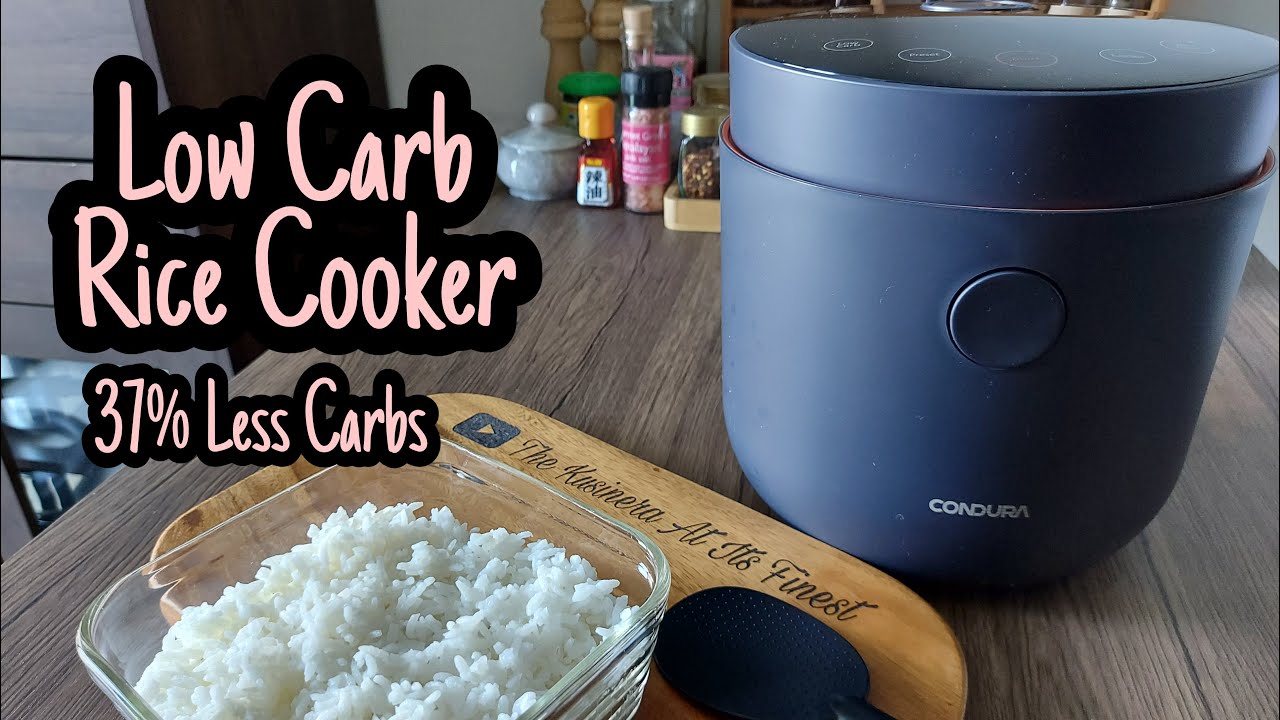
There are generally two primary types of low carb rice cookers, distinguished by how they manage this excess starchy water:
- Siphon-Type: This design often incorporates a specialized tray within the inner pot. As the cooker heats up, a pressure difference causes the starchy water to rise and overflow into this tray. This separated, starch-laden water is then kept away from the rice, which continues to cook in fresh water or steam.
- Wash-Down Type: In this method, rice sits in a basket, while water fills the bottom of the main inner pot. As the water boils, it repeatedly splashes onto the rice, washing away the starch which then dissolves into the water below the basket. The rice is then cooked in a less starchy environment.
Do Low Carb Rice Cookers Really Work? Unpacking the Claims
The big question on everyone’s mind is, “Do these carb-reducing rice cookers actually deliver on their promises?” Manufacturers often tout impressive carbohydrate reduction rates, ranging from 30% to 40%. These claims are certainly enticing for anyone monitoring their carb intake or managing conditions like diabetes.
Scientific studies offer encouraging insights. For instance, a 2022 study funded by the Korean Government indicated that low carb rice cookers are indeed effective in reducing the glycemic response of rice. The study found that rice prepared in these cookers reduced calories and carbohydrates by approximately 20% compared to traditionally cooked rice, with no noticeable difference in taste or how full participants felt. This is fantastic news for those who crave fluffy rice without the subsequent blood sugar spikes.
However, a closer look at independent consumer tests reveals a more nuanced picture. A March 2023 report from the National Consumer Affairs Center of Japan, for example, tested five different brands of sugar-reducing rice cookers. While all five demonstrated a carbohydrate reduction between 10% and 30% compared to regular rice, four of them did not meet the specific reduction rates advertised. The report also highlighted that rice cooked in “sugar-reducing” mode often had a softer texture and a higher water content, making it heavier. Crucially, when comparing the same amount of raw rice, the overall difference in total carbohydrate content after cooking was often insignificant.
What does this mean for you? While low carb rice cookers do reduce some starch and can help manage glycemic response, they are not a “magic bullet.” The increased moisture in the cooked rice can make a serving of “low carb” rice feel larger, potentially leading to consuming more overall carbohydrates if portion sizes are not carefully controlled. As seasoned appliance expert Dr. Eleanor Vance notes, “Low carb rice cookers are a valuable tool, but they don’t replace the need for mindful eating. Understanding how they work, and managing your serving size, is key to truly benefiting from them.”
Benefits of Embracing a Low Carb Rice Cooker
Despite the nuances in carb reduction percentages, integrating a low carb rice cooker into your kitchen can offer several compelling benefits:
- Healthier Eating: For many, the primary appeal is the ability to enjoy rice while actively reducing its starch and sugar content. This can be particularly beneficial for individuals focusing on general wellness, those on a low-carb diet, or anyone monitoring their sugar intake to manage conditions like type 2 diabetes.
- Improved Blood Sugar Control: By reducing the glycemic load of rice, these cookers can help mitigate rapid spikes in blood sugar levels, leading to a more stable energy release throughout the day.
- Weight Management: Lowering the caloric and carbohydrate density of rice can support weight management efforts, especially when combined with controlled portion sizes and a balanced diet.
- Reduced “Rice Guilt”: For cultures deeply rooted in rice consumption, the idea of cutting back can be emotionally challenging. A low carb rice cooker offers a psychological and practical bridge, allowing individuals to savor their staple food with less concern over its carb impact.
- Enhanced Resistant Starch: Some advanced models, such as certain Toshiba Induction Heating Rice Cookers, claim to not only reduce unhealthy digestible starch but also increase healthy resistant starch. Resistant starch acts like dietary fiber, promoting gut health and contributing to a feeling of fullness.
Key Features and Technologies to Look For
When considering a low carb rice cooker, you’ll encounter a range of features and technologies designed to enhance both performance and user experience. After years of testing and reviewing kitchen appliances, these are the elements I always highlight:
- Effective Carb Reduction Technology: Look for descriptions that detail the mechanism, such as a specialized inner basket for starch separation, or unique cooking cycles. Brands like Instant Pot, with its “Carb Reducing Technology,” are known for significant reductions, some claiming up to 40%.
- Multi-functional Presets: Modern rice cookers are often more than just single-task appliances. Desirable models include presets for various types of rice (white, brown, jasmine, basmati), mixed grains (quinoa, oatmeal, barley), steaming vegetables, slow cooking, and even making soup. This versatility makes them a valuable kitchen workhorse.
- Capacity Options: Consider your household size. Models range from compact 2-cup options ideal for singles or couples to larger 20-cup multi-cookers perfect for big families or meal preppers.
- Inner Pot Material: While non-stick coatings are convenient, many consumers prefer ceramic non-stick surfaces that are PFAS-free for healthier cooking. Stainless steel inner pots are another durable, non-toxic option, often favored for their longevity.
- Ease of Use and Cleaning: A clear digital display, intuitive controls, and dishwasher-safe components (inner pot, steamer basket, lid) significantly enhance the cooking experience.
- Smart Features: Delay timers (up to 12-24 hours) allow you to set your rice to cook much later, waking up to fresh rice or having it ready when you return home. An automatic keep-warm function is also essential for maintaining the perfect serving temperature without overcooking.
Choosing Your Ideal Low Carb Rice Cooker
Navigating the market for the perfect low carb rice cooker requires a thoughtful approach. Here’s how to make an informed decision:
- Assess Your Needs: How much rice do you typically cook? Do you need multi-functional capabilities beyond just rice? What are your primary health goals (e.g., modest carb reduction, blood sugar management)?
- Research Brands and Models: Look into reputable brands known for their innovation and quality in rice cookers, such as Instant Pot, Toshiba, GreenPan, and others mentioned in recent reviews. Pay attention to specific model features and user feedback.
- Read Reviews and Comparisons: Dive into detailed product reviews from trusted platforms and consumer reports. Look for consistent feedback on actual carb reduction performance, ease of use, taste of the cooked rice, and durability.
- Consider Your Budget: Low carb rice cookers are available across various price points. Determine what you’re willing to invest, balancing features and brand reputation with cost. Remember, a higher price often correlates with advanced technology and additional functions.
- Check for Certifications (if applicable): While direct “low carb” certifications can be rare, look for mentions of third-party testing or studies that validate the manufacturer’s claims, like the Korean Government study cited earlier.
Expert Insights on Low Carb Cooking
“The journey to a healthier diet should be about empowerment, not deprivation,” shares Chef Julian Thorne, a culinary technologist with a passion for wholesome cooking. “Low carb rice cookers beautifully embody this philosophy. They’re not just about subtracting carbs; they’re about adding flexibility and conscious choice back to our plates, allowing us to enjoy global staples like rice in a way that aligns with our wellness goals.”
Beyond Rice: Versatility of Your Low Carb Cooker
While the core appeal lies in its carb-reducing capabilities for rice, many low carb rice cookers are designed to be incredibly versatile kitchen companions. They can often handle a variety of other grains like quinoa, barley, steel-cut oats, and even mixed grain blends, each cooked to perfection. The integrated steaming baskets are ideal for preparing healthy vegetables, fish, or dumplings, turning your rice cooker into a multi-functional steamer. Some models even offer slow-cooking or sauté functions, making them useful for preparing entire meals in one appliance. This adaptability can significantly streamline your meal prep and expand your culinary horizons, all while promoting healthier cooking methods.
Maintaining Your Low Carb Rice Cooker for Longevity
To ensure your low carb rice cooker serves you reliably for years to come, proper care and maintenance are essential:
- Clean After Every Use: Always unplug the cooker and allow it to cool before cleaning. The inner pot, condensation collector, and steamer basket are typically removable and often dishwasher-safe. For non-stick pots, use a soft sponge and mild detergent to avoid scratching the surface.
- Wipe Down the Exterior: Use a damp cloth to wipe the exterior body, lid, and control panel. Avoid abrasive cleaners or submerging the main unit in water.
- Regularly Check Seals and Vents: Ensure the lid gasket and steam vent are clean and free of food debris to maintain optimal pressure and cooking efficiency.
- Store Properly: Keep the cooker in a dry, safe place when not in use.
Frequently Asked Questions About Low Carb Rice Cookers
Q1: How do low carb rice cookers actually reduce carbohydrate content?
A1: Low carb rice cookers work by boiling rice in excess water to dissolve starches, then draining away this starchy water using a specialized inner basket or tray, leaving behind rice with fewer digestible carbohydrates.
Q2: Are the carb reduction claims accurate across all models?
A2: While manufacturers claim significant reductions (up to 40%), independent tests suggest actual reductions can vary widely, from around 10% to 30%, and sometimes less than advertised. The cooked rice also tends to be heavier due to higher water content.
Q3: Can I use any type of rice in a low carb rice cooker?
A3: Most low carb rice cookers are designed for various types of rice, including white rice (like Jasmine or Basmati) and brown rice, as well as other grains such as quinoa and oatmeal. Always check your cooker’s manual for specific recommendations.
Q4: Is the taste or texture of low carb rice different?
A4: Many users report that rice cooked in low carb mode is still soft, fluffy, and maintains a good texture, often indistinguishable from traditionally cooked rice in blind taste tests. Some might find it slightly softer due to higher moisture content.
Q5: Are low carb rice cookers suitable for diabetics?
A5: While they can help reduce the glycemic response of rice, diabetics should not solely rely on these cookers to manage their condition. It’s crucial to consult a healthcare professional and practice careful portion control.
Q6: What other foods can I cook in a low carb rice cooker?
A6: Many models are multi-functional, offering settings for steaming vegetables, cooking other grains like quinoa and oatmeal, and sometimes even slow cooking or making soup.
The Future of Healthy Rice Consumption is Here
The low carb rice cooker stands as a testament to the ongoing innovation in household appliance technology, perfectly aligning with the global shift towards healthier eating habits. While it’s vital to approach advertised carb reduction percentages with a realistic perspective and always prioritize mindful portion control, these cookers offer a genuine advantage for those looking to manage their carbohydrate intake without completely forsaking one of the world’s most beloved staples.
By understanding how they work, choosing a model that fits your lifestyle, and integrating it into a balanced diet, a low carb rice cooker can be a powerful ally in your quest for wellness. So go ahead, explore the possibilities, and perhaps, enjoy that extra serving of rice – responsibly, of course!