The Instant Pot has revolutionized kitchens worldwide, transforming complex meals into simple, one-pot wonders. While lauded for its ability to pressure cook, slow cook, sauté, and steam, its prowess as an Instant Pot Rice Cooker often sparks a lively debate among home chefs and culinary enthusiasts. Can this versatile appliance truly deliver the perfectly fluffy, consistent rice that Asian culinary traditions cherish, or is a dedicated rice cooker still the undisputed champion? As a seasoned expert in home appliance technology and Asian culinary traditions, I’m here to demystify the Instant Pot’s rice-making capabilities and guide you to perfectly cooked grains every single time.
The Evolution of Rice Cooking: From Stovetop to Smart Appliances
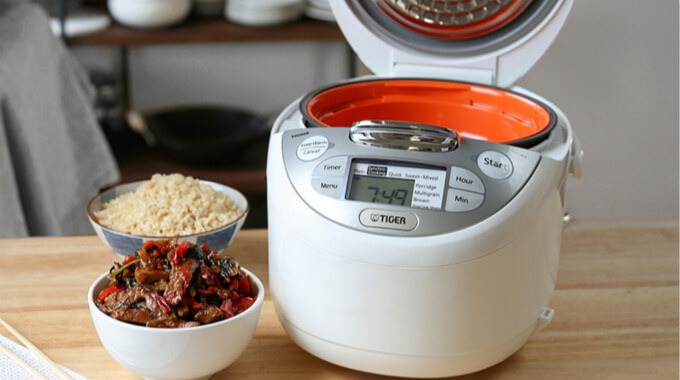
For centuries, rice preparation was an art, honed over generations. The simple pot on a stovetop demanded constant attention, precise timing, and a watchful eye to prevent burning or undercooking. The advent of the dedicated electric rice cooker marked a significant leap, offering a hands-off approach to consistent results. These specialized machines, often found in almost every Asian household, are engineered for one purpose: to cook rice flawlessly, regulating temperature and moisture with precision.
Then came the multi-cooker, spearheaded by the Instant Pot. This single appliance promised to replace an array of kitchen gadgets, bringing together the functions of a pressure cooker, slow cooker, steamer, and more into one sleek unit. Its appeal lies in its efficiency and space-saving design, making it a compelling option for modern kitchens where counter space is precious.
Instant Pot vs. Dedicated Rice Cooker: A Head-to-Head Comparison
When it comes to cooking rice, both the Instant Pot and a dedicated rice cooker offer compelling advantages. Understanding their differences is key to choosing the right tool for your culinary journey.
Versatility vs. Specialization
The most striking difference is versatility. An Instant Pot is a true multi-cooker, capable of preparing everything from soups and stews to yogurt and even cakes. This makes it an incredibly valuable appliance for those who enjoy a diverse range of cooking. In contrast, a traditional rice cooker, as its name implies, is specialized. While some advanced models might include settings for steaming vegetables or making oatmeal, its primary function is, and always has been, rice. If your kitchen space is limited, the Instant Pot’s multi-functionality can be a game-changer, allowing you to consolidate several appliances into one.
Speed and Efficiency
For many, speed is paramount. The Instant Pot, leveraging its pressure cooking capabilities, often cooks rice faster than a traditional rice cooker. White rice varieties, for instance, can be ready in as little as 3-5 minutes of active cooking time under high pressure, plus the time it takes to build and naturally release pressure. A dedicated rice cooker might take 25-35 minutes for white rice. For tougher grains like brown rice, the Instant Pot still maintains a lead, typically requiring around 25 minutes of pressure cooking compared to 60-70 minutes in a standard rice cooker. This significant time-saving aspect is a major draw for busy households.
Rice Texture and Quality
This is where the debate truly heats up. Dedicated rice cookers are designed to produce rice with a specific texture—often fluffy, separate grains with just the right chew. They achieve this through precise temperature control and a gradual steaming process. Instant Pot rice, due to the rapid, high-pressure cooking, tends to be slightly stickier or wetter. While delicious, it might not always achieve the same distinct fluffiness preferred for certain dishes, like those where individual grains are prized. “The sealed environment of an Instant Pot creates incredibly efficient cooking, but for that perfectly individual, almost ‘bouncy’ grain, a dedicated rice cooker often has a slight edge due to its nuanced steam cycles,” notes Chef Lena Kova, a culinary technologist with a focus on ingredient science.
Ease of Use and Learning Curve
A basic rice cooker is incredibly straightforward: add rice, add water, press a button. It requires virtually no learning curve. The Instant Pot, while user-friendly once mastered, does come with a bit of a learning curve. Achieving optimal results for various rice types requires understanding water-to-rice ratios, specific pressure times, and the importance of natural pressure release. The “Rice” button on many Instant Pot models is typically optimized for white rice, meaning other varieties might need manual adjustments.
Cost and Maintenance
Generally, Instant Pots are a more significant initial investment than basic rice cookers, reflecting their multi-functional nature. In terms of maintenance, Instant Pots have more components, including sealing rings that need regular cleaning and may retain food odors over time, sometimes necessitating replacement. Traditional rice cookers are often simpler to clean, with removable, non-stick inner pots that are often dishwasher safe.
Unlocking the Instant Pot’s Rice-Cooking Potential
Despite some nuanced differences in texture, the Instant Pot is undeniably a highly capable instant pot rice cooker. Its ability to create a consistent, pressurized environment ensures that rice cooks evenly and thoroughly, locking in moisture and flavor. The “Rice” setting on many Instant Pot models is a convenient starting point, though for a wider array of grains, manual pressure cooking offers greater control. The Keep Warm function also ensures your rice stays perfectly heated until serving time, a feature shared with most dedicated rice cookers.
“The beauty of the Instant Pot lies in its ability to adapt,” explains Dr. Marcus Chen, an appliance engineering specialist. “While not originally designed solely for rice, its precise pressure control system allows for consistent heat and moisture distribution, making it an excellent alternative. With a little fine-tuning of water ratios and cook times, users can achieve results that are more than satisfactory for everyday meals.”
Your Step-by-Step Guide to Perfect Instant Pot Rice
Mastering your instant pot rice cooker is simpler than you might think. The key is understanding the basic principles and adjusting for different rice varieties.
Preparation: The Foundation of Fluffy Rice
- Rinsing the Rice: Always rinse your rice thoroughly under cold running water until the water runs clear. This removes excess starch, which is crucial for achieving fluffy, separate grains and preventing a gummy texture. Use a fine-mesh strainer for best results.
- Water-to-Rice Ratio: For Instant Pots, a 1:1 ratio of water to rice is generally recommended. Unlike stovetop cooking, very little water evaporates in a pressure cooker, so you need less liquid. For every one cup of dry rice, use one cup of liquid. You can use water, chicken broth, or vegetable broth for added flavor.
Basic White Rice (Jasmine, Basmati, Long Grain)
This method works beautifully for most popular white rice varieties.
- Ingredients:
- 1 cup white rice (jasmine, basmati, or long grain)
- 1 cup water or broth
- Pinch of salt (optional)
- 1 teaspoon olive oil or butter (optional, helps prevent sticking and foaming)
- Instructions:
- Rinse the rice thoroughly.
- Add the rinsed rice, water/broth, salt, and oil (if using) to the Instant Pot inner pot. Do not stir.
- Secure the lid and set the steam release valve to “Sealing.”
- Select the “Pressure Cook” or “Manual” setting on High Pressure.
- For Jasmine Rice: 3 minutes
- For Long Grain White Rice: 5 minutes
- For Basmati Rice: 5 minutes
- Once cooking is complete, allow a Natural Pressure Release (NPR) for 10 minutes. This means letting the pressure release on its own without touching the valve.
- After 10 minutes of NPR, carefully turn the steam release valve to “Venting” to quick release any remaining pressure.
- Open the lid, fluff the rice with a fork, and serve immediately.
Cooking Brown Rice
Brown rice requires a longer cooking time due to its bran layer.
- Ingredients:
- 1 cup brown rice (long grain or short grain)
- 1 cup water or broth
- Pinch of salt (optional)
- 1 teaspoon olive oil (optional)
- Instructions:
- Rinse the brown rice thoroughly.
- Add the rinsed rice, water/broth, salt, and oil to the Instant Pot. Do not stir.
- Secure the lid and set the steam release valve to “Sealing.”
- Select the “Pressure Cook” or “Manual” setting on High Pressure for 25 minutes.
- Allow a Full Natural Pressure Release (FPR). This means letting all the pressure release naturally, which can take 15-20 minutes. Do not open the lid until the float valve drops.
- Open the lid, fluff the rice with a fork, and serve.
Wild Rice and Other Grains
For wild rice blends or other specialty grains, cooking times will vary. A good starting point for wild rice is similar to brown rice.
- Ingredients:
- 1 cup wild rice blend
- 1.5 cups water or broth
- Pinch of salt (optional)
- Instructions:
- Rinse the wild rice blend.
- Combine all ingredients in the Instant Pot.
- Secure the lid, set valve to “Sealing.”
- Select “Pressure Cook” or “Manual” on High Pressure for 25-30 minutes.
- Allow a Full Natural Pressure Release.
- Fluff and serve.
Tips for Instant Pot Rice Success
- Avoid Stirring: Once the rice and water are in the pot, resist the urge to stir. This prevents excess starch from being released and helps maintain grain separation.
- Natural Pressure Release is Key: For most rice types, especially white rice, allowing at least a 10-minute natural pressure release is vital. This gentle process helps the grains finish cooking evenly and absorb remaining moisture, leading to a better texture.
- Add Flavor: Instead of plain water, experiment with broth, a squeeze of lemon juice, or herbs and spices to infuse your rice with delightful flavors.
- Prevent Foaming: A small amount of oil or butter can help prevent starchy foam from coming out of the steam release valve during cooking.
Choosing Your Countertop Champion: Instant Pot or Rice Cooker?
The decision between an Instant Pot and a dedicated rice cooker ultimately boils down to your individual cooking habits, kitchen space, and priorities.
- Choose an Instant Pot if:
- You crave versatility and wish to consolidate multiple appliances.
- You cook a variety of dishes and appreciate faster cooking times for many meals, including rice.
- Counter space is at a premium in your kitchen.
- You don’t mind a slight learning curve to master its full range of functions.
- Opt for a Dedicated Rice Cooker if:
- Perfectly textured rice is your absolute top priority for every meal.
- You cook rice almost daily or in large quantities for families and entertaining.
- You prefer a simple, foolproof appliance with no fuss.
- You have ample counter space and don’t require the multi-functionality of an Instant Pot.
Both appliances are fantastic tools for simplifying meal preparation. “The ideal kitchen setup isn’t about having the ‘best’ appliance, but the ‘right’ appliance for your lifestyle,” advises Dr. Marcus Chen. “If rice is a frequent, central component of your diet, a dedicated rice cooker’s specialized features might offer that extra nuance. But for the home cook seeking efficiency and versatility, the Instant Pot is an incredibly strong contender for all your rice needs.”
Beyond Basic Grains: Diverse Recipes with Your Instant Pot Rice Cooker
The Instant Pot’s capabilities extend far beyond simply cooking plain white or brown rice. Its pressure cooking function makes it ideal for creating flavorful one-pot rice dishes. Imagine aromatic pilafs infused with spices and vegetables, creamy risottos cooked to perfection without constant stirring, or even quick and easy Spanish rice. The sauté function allows you to brown aromatics directly in the pot before adding rice and liquid, building layers of flavor effortlessly. From savory chicken and rice to sweet rice pudding, your instant pot rice cooker opens up a world of culinary possibilities.
FAQs About Instant Pot Rice Cookers
Is Instant Pot rice as good as a dedicated rice cooker?
For everyday cooking, Instant Pot rice is excellent and consistently good. While a dedicated rice cooker might produce a slightly fluffier, more distinct grain texture, especially for specific Asian rice varieties, the Instant Pot delivers very satisfying results, particularly when the correct water-to-rice ratio and natural pressure release are used.
What’s the best water-to-rice ratio for an Instant Pot?
A 1:1 ratio of water to rice is generally recommended for most types of rice in an Instant Pot. For example, 1 cup of dry rice to 1 cup of water or broth. This is less than stovetop methods because minimal liquid evaporates during pressure cooking.
Do I need to rinse rice before cooking in an Instant Pot?
Yes, it is highly recommended to rinse rice thoroughly under cold running water until the water runs clear. This removes excess starch, preventing sticky or gummy rice and promoting a fluffier texture.
How long does it take to cook rice in an Instant Pot?
Cooking times vary by rice type:
- White Rice (Jasmine, Basmati, Long Grain): 3-5 minutes on High Pressure.
- Brown Rice: 25 minutes on High Pressure.
- Wild Rice: 25-30 minutes on High Pressure.
Remember to add approximately 10-15 minutes for the Instant Pot to come to pressure and 10 minutes for natural pressure release after cooking.
Can I use the ‘Rice’ button for all types of rice?
The “Rice” button on most Instant Pot models is typically optimized for white rice and may use low pressure or a longer cooking time. For brown rice, wild rice, or other grains, it’s generally best to use the “Pressure Cook” or “Manual” setting with the specific high-pressure times recommended for that rice type.
Conclusion
The Instant Pot stands tall as a truly remarkable appliance, offering a compelling blend of versatility, speed, and efficiency for the modern kitchen. While a dedicated rice cooker excels in its singular pursuit of rice perfection, the Instant Pot skillfully steps up as an instant pot rice cooker, delivering perfectly cooked grains with admirable consistency. By understanding its functions, applying the right techniques for different rice varieties, and embracing its multi-functional nature, you can effortlessly achieve delicious, fluffy rice while also unlocking a world of other culinary possibilities. Whether you’re a student with limited space, a busy parent, or simply seeking to streamline your cooking, the Instant Pot is an invaluable tool that empowers you to make smarter, more enjoyable choices in your kitchen, enhancing every meal from quick weeknight dinners to elaborate weekend feasts.