In the bustling world of commercial kitchens, where efficiency, consistency, and volume are paramount, the humble rice cooker has evolved into an indispensable piece of equipment: the Industrial Rice Cooker. Far from its residential counterpart, this robust appliance is engineered to meet the rigorous demands of restaurants, catering services, hotels, and other high-volume food establishments. It’s not just about cooking rice; it’s about perfecting it consistently, batch after batch, freeing up valuable staff time and ensuring a steady supply of this global staple for diverse culinary needs.
The Evolution of Rice Cookers: From Home Kitchens to Commercial Powerhouses
The journey of the rice cooker began in Asia, where rice has been a staple for millennia. Early versions were simple electric pots designed to boil water and cook a modest amount of rice, largely automating a process that previously required constant vigilance over a stovetop pot. As culinary cultures expanded and the demand for perfectly cooked rice grew, so did the technology.
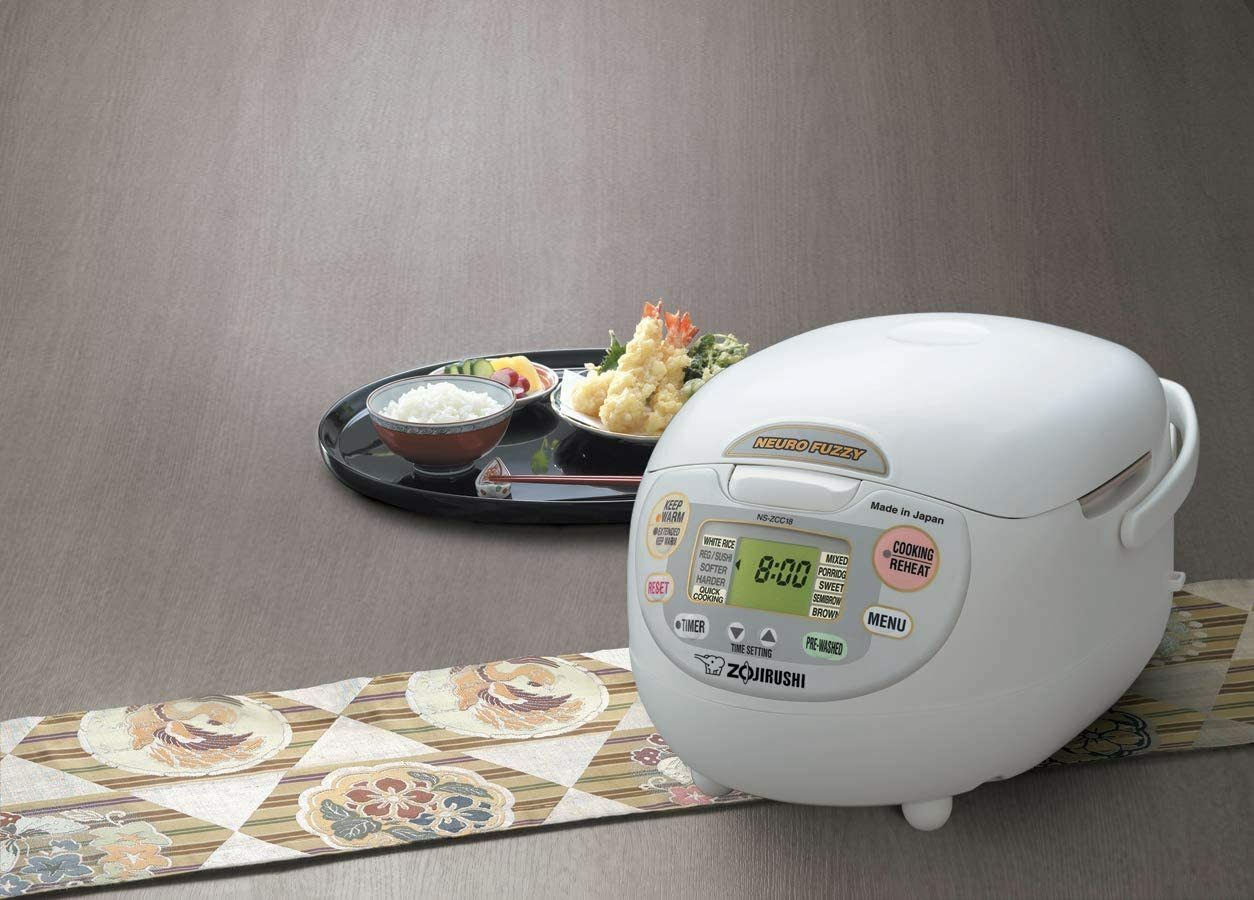
The transition to industrial rice cookers marked a significant leap. Commercial settings needed more than just a larger pot; they required machines built for endurance, safety, and consistent performance under constant use. Today’s industrial rice cookers are designed with heavy-duty materials, advanced heating systems, and smart controls, transforming a basic necessity into a sophisticated culinary tool capable of flawlessly handling significant quantities of rice and other grains, often used multiple times a day in demanding environments.
Types of Industrial Rice Cookers: Choosing Your Workhorse
Selecting the right industrial rice cooker means understanding the different types available, each designed to cater to specific operational needs and volumes.
Basic On/Off Models
These are the most straightforward, ideal for establishments with lower rice volume demands. They cook rice and then typically shut off or switch to a basic keep-warm mode. While lacking advanced features, their simplicity and reliability make them a cost-effective choice for less intensive use.
Cook and Keep Warm Models
For most commercial kitchens, a “cook and keep warm” model is essential. These units automatically transition from cooking to a food-safe warming temperature once the rice is done, holding it at an ideal serving temperature for hours without drying out or compromising texture. This functionality is crucial for busy services, allowing for bulk preparation ahead of peak hours.
Advanced/Programmable Models (IH, Fuzzy Logic)
These represent the cutting edge of industrial rice cooker technology.
- Induction Heating (IH): IH technology uses electromagnetic fields to heat the entire inner pot, rather than just a heating element at the bottom. This results in incredibly even heating, precise temperature control, and superior rice texture.
- Fuzzy Logic and Microcomputers: Equipped with smart microcomputers, these cookers can make minute adjustments to cooking time and temperature based on the type of rice and even ambient conditions. They offer programmable settings for various rice types (white, brown, sushi, jasmine), ensuring perfect results tailored to each grain.
- Digital Controls: Provide greater precision and ease of operation, often with pre-set programs for different dishes.
Gas vs. Electric
While electric models dominate the market due to their convenience and consistent results, gas-powered industrial rice cookers are also available. Gas models can sometimes offer faster cooking times and are useful in environments where electricity supply might be unreliable or expensive. However, electric models generally provide more precise temperature control and a wider array of features like advanced keep-warm functions.
Essential Features and Cutting-Edge Technologies
An industrial rice cooker is a significant investment, and understanding its core features and technological advancements is key to making an informed decision.
Capacity
This is arguably the most critical factor. Commercial rice cookers range widely, from models holding 20 cups of uncooked rice (yielding approximately 40 cups cooked) to massive units capable of 90 cups or more uncooked rice (resulting in up to 180 cups cooked). Always consider your peak demand and calculate capacity based on cooked rice volume. Opting for a slightly larger model than your immediate need can offer flexibility and prevent boil-overs if accidentally overfilled.
Durability and Construction
Built to withstand the rigors of a busy kitchen, industrial rice cookers feature robust construction. Look for models with a sturdy stainless steel exterior for longevity and ease of cleaning. The inner pot is also crucial; high-quality, non-stick aluminum or ceramic coatings prevent rice from sticking and burning, making cleanup significantly easier. These materials are designed to endure constant heat, steam, and frequent use.
Keep Warm Function
A superior “keep warm” function is non-negotiable for commercial use. Advanced models maintain rice at an optimal, food-safe temperature for several hours without drying it out, ensuring fluffy, ready-to-serve rice throughout your service.
Multiple Cooking Modes
Many modern industrial rice cookers offer versatility beyond basic white rice. Features often include settings for brown rice, sushi rice, jasmine rice, and even non-rice dishes like oatmeal, grits, macaroni and cheese, or porridge. Some also incorporate slow cook and steam functions, turning your rice cooker into a multi-functional appliance.
Efficiency
Time is money in a commercial kitchen. Look for models that offer fast and efficient cooking without compromising quality. Advanced technologies like Induction Heating (IH) contribute to faster and more precise cooking, while energy-saving features can reduce operational costs over time.
Safety Features
Safety in a busy kitchen is paramount. Essential features include automatic shut-off to prevent overheating, precise temperature control, and heat-insulated handles to protect staff. Some models also include safety fuses as an additional layer of protection.
Ease of Use & Cleaning
User-friendly controls and simple operation are crucial for busy staff. Easy-to-remove non-stick inner pots, detachable power cords, and condensation collectors simplify the cleaning process, saving valuable time.
Our Picks for the Best Rice Cooker in 2026
As an Amazon Associate I earn from qualifying purchases.
Num
Product
Action
1
AROMA® Rice Cooker, 3-Cup (Uncooked) / 6-Cup (Cooked), Small Rice Cooker, Oatmeal Cooker, Soup Maker, Auto Keep Warm, 1.5 Qt, White, ARC-363NG

2
CUCKOO Micom Rice Cooker 6-Cup Uncooked / 12-Cup Cooked with Nonstick Inner Pot, Versatile Rice Maker with 9 Menu Options, Fuzzy Logic Technology, Auto Clean, Quick Rice Mode, White (CR-0675FW)
3
AROMA Digital Rice Cooker, 4-Cup (Uncooked) / 8-Cup (Cooked), Steamer, Grain Cooker, Multicooker, 2 Qt, Stainless Steel Exterior, ARC-914SBD
4
CUCKOO High Pressure Rice Cooker 10-Cup Uncooked / 20-Cup Cooked with Nonstick Inner Pot, Large Rice Maker with 13 Menu Options and Steam Plate, Fuzzy Logic Tech, Voice Guide, Black (CRP-P1009SB)
5
BLACK+DECKER 16-Cup Rice Cooker, RC516, 8-Cup Uncooked Rice, Steaming Basket, Removable Non-Stick Bowl, One Touch
6
COMFEE\' Mini Rice Cooker 4 Cups Cooked/2 Cups Uncooked, Portable Non-Stick rice maker, 24 hours Timer Delay, 6 Functions, Fast Cooker, Brown Rice, Oatmeal, White
7
Hamilton Beach Digital Programmable Rice Cooker & Food Steamer, 8 Cups Cooked (4 Uncooked), With Steam & Rinse Basket, Stainless Steel (37518)
8
AROMA Professional Digital Rice Cooker, Multicooker, 4-Cup (Uncooked) / 8-Cup (Cooked), Steamer, Slow Cooker, Grain Cooker, 2Qt, Stainless Steel Exterior, ARC-994SG
9
CUCKOO Micom Rice Cooker 3-Cup Uncooked / 6-Cup Cooked with Nonstick Inner Pot, Small Rice Maker with 8 Menu Options, Fuzzy Logic Technology, Auto Clean, Quick Rice Mode, Gray (CR-0375FG)
10
CUCKOO Micom Rice Cooker 3-Cup Uncooked / 6-Cup Cooked with Nonstick Inner Pot, Small Rice Maker with 8 Menu Options, Fuzzy Logic Technology, Auto Clean, Quick Rice Mode, Gray (CR-0375FG)
|
Our Picks for the Best Rice Cooker in 2026
As an Amazon Associate I earn from qualifying purchases.
|
||
| Num | Product | Action |
|---|---|---|
| 1 | AROMA® Rice Cooker, 3-Cup (Uncooked) / 6-Cup (Cooked), Small Rice Cooker, Oatmeal Cooker, Soup Maker, Auto Keep Warm, 1.5 Qt, White, ARC-363NG |
|
| 2 | CUCKOO Micom Rice Cooker 6-Cup Uncooked / 12-Cup Cooked with Nonstick Inner Pot, Versatile Rice Maker with 9 Menu Options, Fuzzy Logic Technology, Auto Clean, Quick Rice Mode, White (CR-0675FW) |
|
| 3 | AROMA Digital Rice Cooker, 4-Cup (Uncooked) / 8-Cup (Cooked), Steamer, Grain Cooker, Multicooker, 2 Qt, Stainless Steel Exterior, ARC-914SBD |
|
| 4 | CUCKOO High Pressure Rice Cooker 10-Cup Uncooked / 20-Cup Cooked with Nonstick Inner Pot, Large Rice Maker with 13 Menu Options and Steam Plate, Fuzzy Logic Tech, Voice Guide, Black (CRP-P1009SB) |
|
| 5 | BLACK+DECKER 16-Cup Rice Cooker, RC516, 8-Cup Uncooked Rice, Steaming Basket, Removable Non-Stick Bowl, One Touch |
|
| 6 | COMFEE\' Mini Rice Cooker 4 Cups Cooked/2 Cups Uncooked, Portable Non-Stick rice maker, 24 hours Timer Delay, 6 Functions, Fast Cooker, Brown Rice, Oatmeal, White |
|
| 7 | Hamilton Beach Digital Programmable Rice Cooker & Food Steamer, 8 Cups Cooked (4 Uncooked), With Steam & Rinse Basket, Stainless Steel (37518) |
|
| 8 | AROMA Professional Digital Rice Cooker, Multicooker, 4-Cup (Uncooked) / 8-Cup (Cooked), Steamer, Slow Cooker, Grain Cooker, 2Qt, Stainless Steel Exterior, ARC-994SG |
|
| 9 | CUCKOO Micom Rice Cooker 3-Cup Uncooked / 6-Cup Cooked with Nonstick Inner Pot, Small Rice Maker with 8 Menu Options, Fuzzy Logic Technology, Auto Clean, Quick Rice Mode, Gray (CR-0375FG) |
|
| 10 | CUCKOO Micom Rice Cooker 3-Cup Uncooked / 6-Cup Cooked with Nonstick Inner Pot, Small Rice Maker with 8 Menu Options, Fuzzy Logic Technology, Auto Clean, Quick Rice Mode, Gray (CR-0375FG) |
|
Mastering Your Industrial Rice Cooker: Usage and Best Practices
To get the most out of your industrial rice cooker and ensure consistent, perfect results every time, follow these best practices:
Proper Measurement
Accuracy is key. Always use the provided measuring cup (typically 180ml or about ¾ standard cup) and adhere strictly to the manufacturer’s recommended rice-to-water ratios for the specific type of rice you are cooking. Different rice varieties absorb water differently.
Pre-washing Rice
For most rice types, especially white rice, pre-washing until the water runs clear helps remove excess starch. This prevents rice from becoming overly sticky or gummy and results in a fluffier texture.
Loading and Operation
Never overfill your industrial rice cooker beyond its maximum capacity. Overfilling can lead to uneven cooking, boil-overs, and potential damage to the appliance. Ensure the lid is securely closed before starting the cooking cycle.
Keeping Rice Warm
When using the keep-warm function, avoid opening the lid unnecessarily, as this releases heat and moisture. Stir the rice gently every hour or so if it’s being held for extended periods to maintain even temperature and texture, but avoid excessive stirring which can break grains.
Multi-purpose Use
Don’t limit your industrial rice cooker to just rice. Utilize its steaming tray for vegetables, fish, or dumplings. Many advanced models can handle grains like quinoa, farro, or even pasta dishes, significantly expanding your menu possibilities.
Smart Buying & Maintenance Tips for Longevity
Investing in an industrial rice cooker is a long-term commitment. Here’s how to choose wisely and keep it running efficiently.
Assessing Your Needs
Before purchasing, accurately assess your kitchen’s rice consumption volume during peak hours. Consider your menu – do you need specific settings for different rice types? Measure your counter space and verify electrical requirements (voltage and wattage) to ensure a proper fit and compatible power supply. Don’t let a lower upfront cost tempt you into buying a less durable or undersized unit, which will likely incur higher costs in repairs and replacements down the line.
Brand Reputation
Opt for reputable brands known for their commercial kitchen equipment. Industry leaders like Zojirushi, Tiger, Panasonic, Aroma, and Hamilton Beach Commercial consistently receive high praise for their precision engineering, durability, and reliable performance in professional settings. As culinary expert Chef Julian Chen notes, “A quality industrial rice cooker from a trusted brand isn’t just an appliance; it’s a cornerstone of kitchen consistency and efficiency.”
Warranty & Support
Always check the manufacturer’s warranty and the availability of after-sales support and spare parts. A robust warranty and accessible service network are crucial for minimizing downtime in a commercial environment.
Cleaning and Care
Regular and thorough cleaning is vital. Always unplug the unit before cleaning. Remove the inner pot, condensation collector, and any removable lids or steaming trays, washing them with warm soapy water. Wipe down the exterior with a damp cloth, avoiding abrasive cleaners. Ensure all components are completely dry before reassembling. For non-stick pots, avoid metal utensils that can scratch the coating.
Troubleshooting Common Issues
- Rice too dry/hard: Increase water slightly, or ensure the lid is sealed properly.
- Rice too wet/mushy: Decrease water slightly, or ensure rice was not over-washed.
- Rice sticks to the bottom: Ensure the inner pot is non-stick and not damaged. Add a tiny amount of oil before cooking.
- Unit not turning on: Check power connection and any safety fuses.
Comparing Top Industrial Rice Cooker Brands and Models
The market offers several excellent industrial rice cooker brands, each with its strengths:
- Zojirushi: Renowned for precision, advanced fuzzy logic, and induction heating. Often a premium choice for high-quality, consistent results.
- Tiger: Another Japanese giant, known for durability and innovative features like “Tacook” synchro-cooking.
- Panasonic: Offers reliable, high-capacity models with straightforward operation, built for frequent use.
- Aroma Housewares: Provides cost-effective, high-capacity options, popular for large-scale events and banquets.
- Hamilton Beach Commercial: A leading name in commercial kitchen appliances, offering a range of capacities and multi-functional capabilities (e.g., cooking oatmeal, mac and cheese).
The “best” model ultimately depends on your specific volume, desired features, and budget, but these brands consistently deliver quality suitable for professional kitchens.
Beyond the Basics: Delicious Recipes for Your Industrial Rice Cooker
Your industrial rice cooker can be a culinary workhorse, simplifying a variety of dishes:
- Fluffy White Rice: The staple. Use a 1:1.25 rice-to-water ratio for most white rice, adjusting slightly based on preference.
- Hearty Brown Rice: Requires more water and a longer cooking time. A 1:2 rice-to-water ratio is a good starting point.
- Steamed Vegetables: Place chopped vegetables (broccoli, carrots, asparagus) in the steaming tray above the cooking rice for a quick, healthy side.
- One-Pot Chicken and Rice: Sauté chicken and aromatics (onions, garlic) in the inner pot (if it has a sauté function) or separately, then add rice, broth, and seasonings. Cook as usual for a complete meal.
- Creamy Oatmeal or Porridge: Perfect for breakfast service. Combine rolled oats or rice with milk or water, and use a dedicated porridge setting if available, or a gentle cook function.
Frequently Asked Questions (FAQ)
How much rice can an industrial rice cooker hold?
Industrial rice cookers can vary significantly in capacity, typically holding between 20 cups (uncooked, yielding 40 cups cooked) and over 90 cups of uncooked rice (producing up to 180 cups cooked). It’s crucial to consider cooked capacity for your operational needs.
What is the difference between a commercial and a home rice cooker?
Commercial rice cookers are designed for high-volume, continuous use. They feature larger capacities, more durable construction (often stainless steel), advanced heating technologies (like Induction Heating), sophisticated “keep warm” functions, and enhanced safety features to meet the demands of professional kitchens, unlike smaller home models used infrequently.
Are industrial rice cookers energy efficient?
Many modern industrial rice cookers are designed with energy efficiency in mind. Advanced heating technologies like IH ensure more efficient heat transfer, and precise temperature controls prevent unnecessary energy consumption during cooking and warming cycles.
How do I clean my industrial rice cooker?
Always unplug the cooker and allow it to cool completely. Remove the inner pot, condensation collector, and any detachable lids/steam trays. Wash these components with warm, soapy water. Wipe the exterior with a damp cloth. Ensure all parts are thoroughly dry before reassembly. Avoid abrasive cleaners or metal scouring pads on non-stick surfaces.
Can I cook other foods in an industrial rice cooker?
Absolutely! Many industrial rice cookers are versatile. Beyond various types of rice, they can often prepare other grains like quinoa or barley, steam vegetables, cook oatmeal, grits, or even macaroni and cheese, making them multi-functional appliances in a commercial kitchen.
What is Induction Heating (IH) in a rice cooker?
Induction Heating (IH) is an advanced technology where electromagnetic coils heat the entire inner cooking pot directly and evenly, rather than relying on a single heating element at the bottom. This results in incredibly precise temperature control, faster cooking, and consistently superior texture for the rice.
Conclusion
The industrial rice cooker stands as a silent workhorse, revolutionizing the way commercial kitchens handle one of the world’s most fundamental food staples. From its humble origins to today’s sophisticated, high-capacity marvels, this appliance offers unparalleled efficiency, consistency, and labor savings. By understanding the diverse types, essential features, and proper usage, commercial operators can make a smart investment that not only streamlines kitchen operations but also consistently delivers perfectly cooked rice, enhancing every dish it accompanies. Choose wisely, maintain diligently, and let your industrial rice cooker elevate your culinary output to new heights.