For over 15 years, I’ve seen countless innovations in home appliance technology, but few have transformed daily cooking quite like the Induction Rice Cooker. As a content creator for Reviewpodia.com, a trusted platform for rice cooker reviews and advice, I’m passionate about helping you understand these remarkable kitchen companions. If you’re tired of unevenly cooked rice or are simply seeking to elevate your culinary game, an induction rice cooker might just be the upgrade you need. Let’s dive deep into why this technology is a game-changer for rice lovers everywhere.
The Evolution of Rice Cookers: From Simple Pots to Smart IH Technology
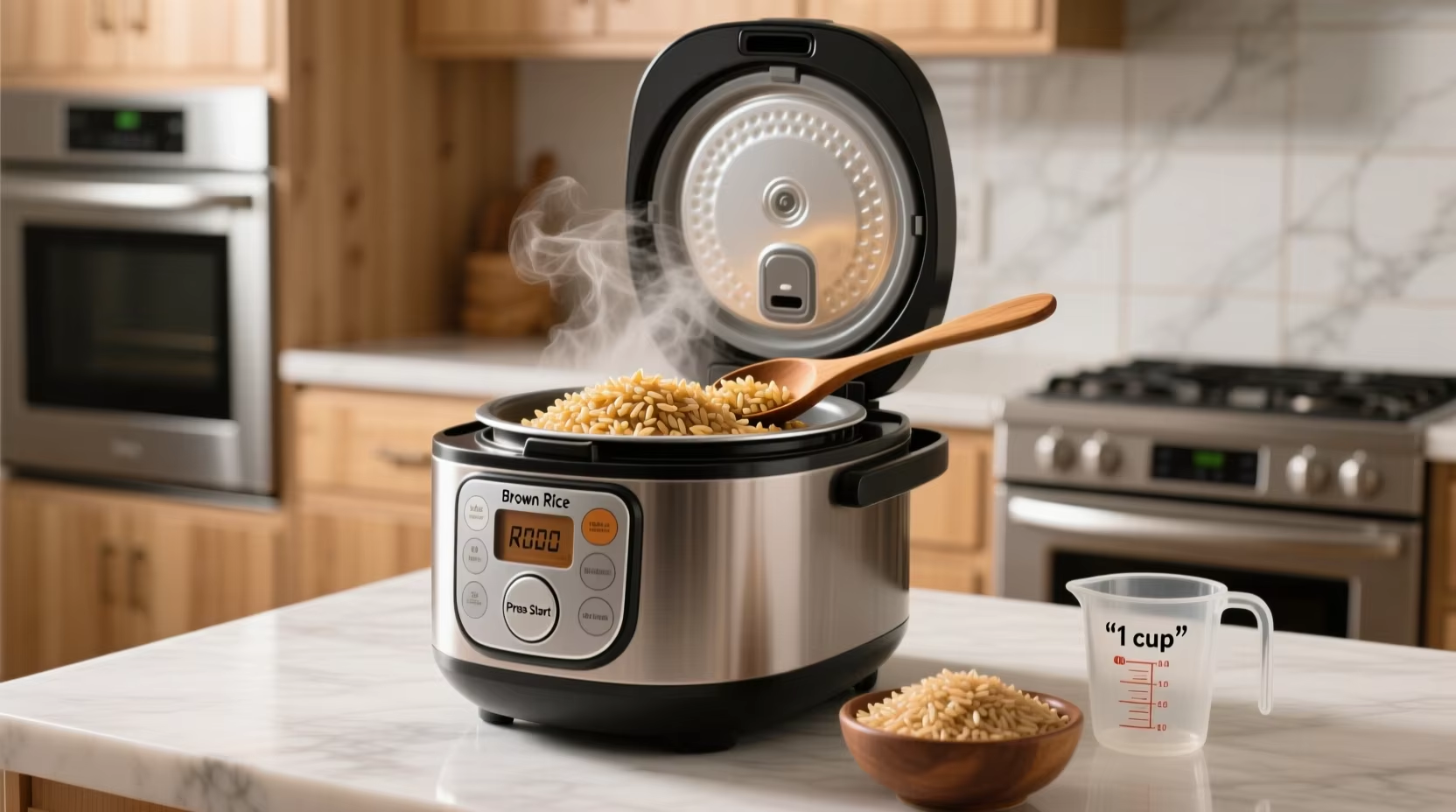
The journey of the rice cooker began centuries ago with simple clay pots over open fires. Fast forward to the mid-20th century, and the first automatic electric rice cookers emerged, simplifying the process for millions. These early models, and even many conventional rice cookers today, rely on a basic heating element at the bottom of the pot. They perform adequately, but the heat distribution can often be inconsistent, leading to burnt bottoms or undercooked grains.
Enter the modern era, where advancements like microcomputer (MICOM) technology brought fuzzy logic, allowing cookers to make minor adjustments. However, the true revolution came with induction heating (IH) technology. This leap changed the fundamental way heat is applied, moving from indirect external heating to direct, precise internal heating.
What Exactly is an Induction Rice Cooker?
An induction rice cooker, often abbreviated as an IH rice cooker, stands apart from its conventional counterparts due to its innovative heating method. Instead of a heating plate at the bottom, IH models use electromagnetic energy to cook your rice. This sophisticated technology generates heat directly within the inner cooking pot itself, ensuring unparalleled precision and consistency.
How Induction Heating (IH) Works
The magic of an induction rice cooker lies in its core principle: electromagnetic induction. Beneath the cooking pot, copper coils are present. When electricity flows through these coils, it creates an alternating electromagnetic field. Unlike traditional methods where a heating element transfers heat to the pot, the inner pot of an IH rice cooker is made from a magnetic material. When this magnetic pot interacts with the electromagnetic field, it generates heat directly within its walls—from the bottom, sides, and often even the lid. This direct heating mechanism allows for instant and precise temperature adjustments throughout the cooking process.
Key Advantages of IH Technology
The switch to IH technology brings a host of benefits that directly impact the quality of your cooked rice:
- Superior Heat Distribution: Because the entire pot becomes the heat source, heat is distributed evenly and thoroughly from all angles, eliminating cold spots and ensuring every grain of rice is perfectly cooked. This means no more burnt bottoms or gummy clumps.
- Precise Temperature Control: IH rice cookers can make minute adjustments to temperature in an instant, offering exceptional control. This precision is vital for achieving the ideal texture and flavor for various rice types.
- Enhanced Flavor and Texture: The consistent and controlled heating results in rice that is fluffier, more aromatic, and boasts a better overall texture, retaining its individual grain integrity and fragrance.
- Faster and More Efficient: Direct heating within the pot means less energy waste and often quicker cooking times compared to conventional models.
- Durability and Easier Cleaning: IH models are typically built with higher quality, more durable materials. Plus, without a direct heating plate, cleaning the interior is generally simpler as there’s less stubborn residue to deal with.
As Dr. Evelyn Chen, a renowned food science expert, often says, “The precision of induction heating in rice cookers is not just about convenience; it’s about unlocking the full potential of each grain, transforming a staple into a culinary experience.”
Exploring Types of Rice Cookers: A Broader Perspective
While our focus today is on the induction rice cooker, it’s helpful to understand where it fits into the broader landscape of rice cooking appliances.
- Conventional Rice Cookers: These are the most basic and affordable, using a single heating element at the bottom. They are simple to use but offer less control over cooking quality.
- Microcomputer (MICOM) Rice Cookers: These use a microchip to manage cooking temperature and time with “fuzzy logic.” They are an improvement over conventional models, offering more consistent results.
- Induction Heating (IH) Rice Cookers: As discussed, these are a significant upgrade, providing superior heating and control.
- Pressure Induction Heating Rice Cookers: Many high-end IH models also incorporate pressure cooking, which further enhances cooking speed and results in exceptionally soft and digestible rice. This feature is particularly popular in Asian markets.
Features and Technologies That Stand Out
Modern induction rice cookers are not just about heating; they’re packed with smart features designed to make your life easier and your rice perfect.
Advanced IH Systems
Beyond basic induction, premium models boast multi-layer inner pots, often infused with platinum or coated with non-stick materials, to optimize heat retention and distribution. Some even employ specific heating patterns to create different rice textures.
Smart Features: AI and IoT Integration
Many top-tier induction rice cooker models now integrate Artificial Intelligence (AI) and Internet of Things (IoT) connectivity. AI-powered “fuzzy logic” allows the cooker to “learn” and make fine-tuned adjustments to temperature and cooking time based on various factors, even compensating for slight inaccuracies in your rice and water measurements. Some models offer Wi-Fi connectivity and smartphone app control, letting you start or monitor your cooking remotely.
Pre-set Programs and Versatility
A hallmark of a good induction rice cooker is its versatility. You’ll find dedicated settings for:
- White Rice (short-grain, long-grain, jasmine)
- Brown Rice (often with a longer soaking time)
- Sushi Rice
- Mixed Grains
- Porridge/Congee
- Sweet Rice
- Quick Cook options
- Even settings for steel-cut oats, quinoa, or steaming vegetables and dumplings.
Essential Convenience Functions
Standard features like automatic “keep warm” functions (some lasting up to 24 hours without drying out the rice) and delay timers are indispensable. The delay timer lets you set your rice to be ready exactly when you want it, perfect for busy mornings or after a long day.
Detailed Guide: How to Use Your Induction Rice Cooker
Using an induction rice cooker is generally straightforward, but a few tips can help you achieve optimal results every time.
- Measure Accurately: Always use the measuring cup provided with your rice cooker. For water, refer to the water level lines inside the inner pot, corresponding to the number of rice cups you’re cooking. Precision is key, even though fuzzy logic can compensate for minor errors.
- Rinse Your Rice: For many rice types, especially white rice, rinsing until the water runs clear removes excess starch, preventing stickiness and enhancing the final texture.
- Place the Pot: Ensure the inner pot is clean and dry on the outside before placing it firmly into the cooker. This prevents residue buildup and ensures proper contact for induction heating.
- Select Your Setting: Choose the appropriate cooking program for your specific type of rice or grain.
- Press Start: Activate the cooking cycle. Many IH models will display a countdown or an estimated cooking time.
- Allow to Rest: Once cooking is complete and the cooker switches to “keep warm,” let the rice rest for about 5-10 minutes with the lid closed. This allows the moisture to redistribute evenly.
- Fluff and Serve: Open the lid, gently fluff the rice with the serving paddle, and enjoy your perfectly cooked grains.
Tips for Choosing and Maintaining Your Induction Rice Cooker
Investing in an induction rice cooker is a decision that pays off with consistently delicious results. Here’s how to make a smart choice and keep it performing its best.
Factors to Consider When Buying
- Capacity: How much rice do you cook regularly? Options range from 3-cup models for individuals or small families to 10-cup or larger for big families or entertaining.
- Features: Do you need pressure cooking? How important are smart features like AI or app control? Consider the variety of pre-set programs you’ll actually use.
- Inner Pot Quality: Look for thick, multi-layered inner pots, often with non-stick coatings, for optimal heat distribution and durability. Some brands offer ceramic or platinum-infused pots.
- Brand Reputation: Established brands like Zojirushi, Cuckoo, Panasonic, and Tiger are known for their quality and innovation in the IH rice cooker segment.
- Price: Be prepared for a higher investment. While conventional models might cost under $100, a good induction rice cooker can range from $200 to over $600, especially for pressure IH models.
- Design and Footprint: Consider how it will fit into your kitchen aesthetic and available counter space.
Essential Maintenance Tips
Proper care ensures the longevity and performance of your induction rice cooker.
- Clean the Inner Pot: Wash the inner pot and inner lid (if removable) after each use with warm, soapy water and a soft sponge. Avoid abrasive scrubbers to protect the non-stick coating.
- Wipe Down the Exterior: Use a damp cloth to clean the exterior and control panel. Ensure no food particles or liquids get into the heating area.
- Check Gaskets (for Pressure IH models): If your cooker has a pressure function, inspect the sealing gasket regularly. These typically need replacement every 1-2 years to maintain pressure.
- Store Properly: Ensure the cooker is completely dry before storing it.
Comparing Leading Induction Rice Cooker Brands and Models
When it comes to induction rice cookers, a few brands consistently stand out for their quality, innovation, and performance.
- Zojirushi: Often considered the “Rolls Royce” of rice cookers, Zojirushi offers a range of high-end IH and pressure IH models. Their NP-HCC series (IH) and NW-YNC series (Pressure IH) are highly praised for making rice noticeably more fragrant and perfectly textured. They excel in precise temperature control and intuitive digital interfaces.
- Cuckoo: A leading Korean brand, Cuckoo is renowned for its advanced pressure IH rice cookers. Their models frequently feature robust designs, comprehensive pre-set options (including for germinated brown rice), and customizable cooking settings for soak time and temperature.
- Panasonic: Known for reliable home appliances, Panasonic offers solid induction rice cooker options, often with a good balance of features and user-friendliness. Their models typically include various cooking functions and induction heating for consistent results.
- Tiger: Another well-respected Japanese brand, Tiger offers IH rice cookers that combine traditional quality with modern technology. While some models might lean towards a slightly softer rice texture, they are consistently reliable.
- Toshiba: Toshiba’s Japanese rice cookers incorporate fuzzy logic and deliver excellent results, often at a slightly more accessible price point than some ultra-premium brands. They are noted for their full countdown display and delay timers.
Each brand brings its unique strengths, catering to different preferences and budgets, but all leverage IH technology for superior rice cooking.
Diverse Recipes Beyond Plain Rice with Your IH Rice Cooker
An induction rice cooker is far more versatile than just a plain rice maker. Its precise temperature control and various settings open up a world of culinary possibilities.
- Savory Rice Pilafs: Sauté aromatics like onions and garlic in a separate pan, then add them to your rice cooker with rice, broth, and your choice of vegetables or protein. The even heating ensures a perfectly cooked pilaf.
- Quinoa and Other Grains: Many IH models have dedicated settings for cooking quinoa, steel-cut oats, barley, or other grains, achieving ideal textures every time.
- Soups and Stews: Use the “multi-cook” or “porridge” setting (if available) to simmer hearty soups or stews. The consistent low heat is perfect for tenderizing ingredients.
- One-Pot Meals: Get creative by adding chicken, vegetables, and seasonings directly into the pot with rice and water for a convenient and delicious one-pot meal.
- Steamed Dishes: If your cooker comes with a steaming basket, you can steam vegetables, fish, or dumplings while your rice cooks below, saving time and energy.
The versatility of an induction rice cooker truly makes it a multi-functional appliance, empowering you to explore a wider range of dishes with ease and confidence.
Frequently Asked Questions About Induction Rice Cookers
Choosing and using an advanced appliance like an induction rice cooker often comes with questions. Here are some common ones:
Q: Is an induction rice cooker worth the higher price?
A: For those who prioritize perfectly cooked, consistently delicious rice, especially for various types of grains, an induction rice cooker is generally considered worth the investment. The precise heating, even cooking, and enhanced texture it delivers are unmatched by conventional models.
Q: How does an induction rice cooker save energy?
A: Induction rice cookers are more energy-efficient because they directly heat the inner pot through electromagnetic fields. This minimizes heat loss to the surroundings, leading to faster cooking times and less wasted energy compared to heating elements that transfer heat indirectly.
Q: Can I use any pot in an induction rice cooker?
A: No, an induction rice cooker requires an inner pot made from a magnetic material, typically stainless steel or cast iron with a magnetic base. The cooker’s induction coils will not generate heat in non-magnetic materials like aluminum or ceramic.
Q: What is “fuzzy logic” in a rice cooker?
A: Fuzzy logic is a type of AI used in MICOM and IH rice cookers that allows the appliance to make minor adjustments to cooking time and temperature. It “thinks” for itself, sensing factors like initial water temperature and room temperature, to ensure optimal cooking results even if your measurements are slightly off.
Q: Do induction rice cookers cook faster?
A: Yes, generally, induction rice cookers can cook rice faster than conventional models due to their efficient and direct heating method. However, some specialized settings for brown rice or germinated rice might involve longer cooking or soaking times for optimal results.
Q: Are there any specific maintenance needs for an IH rice cooker with pressure function?
A: If your induction rice cooker includes a pressure cooking function, you’ll need to periodically inspect and potentially replace the sealing gasket (typically every 1 to 2 years) to ensure it maintains pressure safely and effectively.
The Perfect Grain Awaits: My Final Thoughts
After years of exploring every nuance of home cooking appliances, I can confidently say that the induction rice cooker represents the pinnacle of rice cooking technology. It’s more than just an appliance; it’s a commitment to culinary excellence, transforming an everyday staple into a consistent delight. From its precise temperature control and even heating to its smart features and versatile cooking programs, an IH rice cooker ensures that every grain of rice is cooked to perfection, fluffy and fragrant.
If you’re ready to upgrade your kitchen and unlock a new level of culinary precision, I wholeheartedly encourage you to explore the world of induction rice cookers. Make the smart choice, embrace the technology, and get ready to savor the difference in every single bite. Happy cooking!