In the bustling world of professional kitchens, where speed, efficiency, and consistent quality are paramount, the humble rice cooker transforms into a powerhouse appliance. For restaurants, catering services, buffets, and large institutions serving dozens or even hundreds of hungry patrons, a commercial 100-cup rice cooker isn’t just a convenience—it’s an absolute necessity. This guide, penned by a seasoned expert in home appliance technology and a content creator for Reviewpodia.com, will dive deep into everything you need to know about these essential kitchen workhorses, helping you make an informed decision to optimize your rice cooking experience.
Understanding the Commercial 100-Cup Rice Cooker
When we talk about a “commercial 100-cup rice cooker,” we’re stepping far beyond the capabilities of a typical home appliance. These machines are engineered for rigorous, continuous use and high-volume output, designed to handle the demands of a busy professional environment.
What Does “100-Cup” Really Mean? Cooked vs. Uncooked Capacity
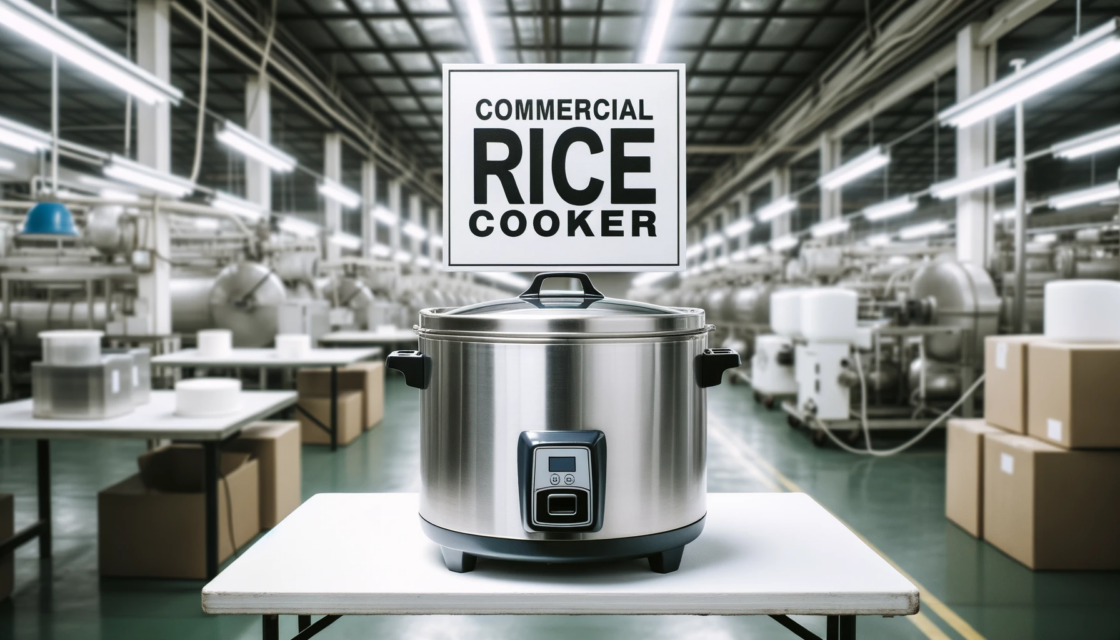
A common point of confusion revolves around capacity. When a commercial rice cooker is advertised as “100-cup,” it almost universally refers to the cooked capacity. Raw rice generally doubles in volume when cooked. Therefore, a 100-cup cooked capacity typically means the unit can handle around 50 cups of uncooked rice. Always clarify this distinction to ensure the cooker meets your actual volume requirements during peak service hours. Overfilling a cooker can lead to messy boil-overs and inconsistent results, while an undersized unit means multiple batches, tying up valuable staff time.
Why a Commercial-Grade Unit is Essential
The difference between a commercial rice cooker and a household model isn’t just about size; it’s about endurance and precision. Commercial units are built to produce perfectly fluffy, consistent rice with every single batch, cycle after cycle, hour after hour. They are designed to withstand the heat, steam, and constant use of a demanding kitchen, ensuring you can keep up with the dinner rush without sacrificing quality. Investing in a robust commercial cooker streamlines your operations, creating a dedicated, self-sufficient station for one of your most common staples.
Key Features and Technologies to Look For
Selecting the right commercial 100-cup rice cooker involves understanding the critical features that contribute to performance, durability, and ease of use.
Power and Performance: Heating Systems
Modern commercial rice cookers incorporate advanced heating technologies to ensure superior cooking results.
- Induction Heating (IH): Often found in premium models, IH technology uses electromagnetic fields to heat the inner pot directly and evenly. This results in more precise temperature control, faster cooking times (sometimes up to 25% quicker), and more uniformly cooked rice. It helps prevent scorching and ensures every grain is perfectly fluffy.
- Microcomputer Technology: “Smart” rice cookers use microprocessors to make precise adjustments to temperature and cooking times based on the type of rice and the amount being cooked. This intelligence ensures optimal results and can often offer specialized settings for different rice varieties like sushi rice, brown rice, or jasmine rice.
- Spiral Pressure Heating: This design delivers high-density, even heat across the entire cooking surface, improving performance and longevity.
Durability and Materials
A commercial rice cooker is a workhorse, and its construction must reflect that.
- Stainless Steel Exterior: Look for models constructed with heavy-duty, food-grade stainless steel. This material offers excellent durability, corrosion resistance, and is easy to clean, crucial for maintaining hygiene standards in a professional kitchen.
- Inner Pot Quality: The inner pot is where the magic happens. A thick, non-stick inner pot is paramount for easy cleaning and to prevent rice from sticking or burning. Some high-quality pots are made from durable aluminum alloy with robust non-stick coatings, while others might feature spherical designs for better heat circulation. Avoid low-quality aluminum or non-standard stainless steel pots, which can be less efficient and potentially pose health risks over time.
- Lid Material: A 304 stainless steel lid is often preferred for its high heat resistance, corrosion protection, and overall durability, ensuring a secure seal for consistent cooking.
Advanced Functions
Beyond simply cooking rice, the best commercial units offer functions that enhance efficiency and versatility.
- Automatic “Keep Warm” Function: This is a non-negotiable feature for commercial settings. Once the rice is perfectly cooked, the unit automatically switches to a lower temperature, holding the rice at a safe, ready-to-serve temperature for hours without drying out or becoming soggy.
- Programmable Settings: Many advanced units offer pre-set programs for different types of rice (white, brown, sushi, mixed grains) and even other food items like oatmeal, grits, or mac and cheese. This versatility expands the cooker’s utility far beyond just rice.
- Delay Timer/Reservation Function: Some models allow you to set a timer for when you want the rice to start cooking, enabling staff to prep ingredients in advance and have fresh rice ready exactly when needed.
Safety and Certification
Safety is paramount in any commercial kitchen.
- NSF/ANSI 4 Certification: This certification ensures that the appliance meets strict public health and safety standards for commercial foodservice equipment. It’s a hallmark of quality and compliance.
- UL/CE Electrical Standards: Confirming compliance with these electrical safety standards is crucial for preventing accidents and ensuring reliable operation. For gas models, ANSI Z83.11 compliance is mandatory in North America.
- Automatic Shut-off and Temperature Control: These features prevent overheating and ensure consistent cooking.
- Heat-Insulated Handles: Important for safe handling, especially when moving large, hot pots.
- Safety Fuses: An added layer of protection against electrical issues.
Choosing the Right 100-Cup Commercial Rice Cooker for Your Business
Making the optimal choice requires careful consideration of your specific operational needs.
Assessing Your Needs: Daily Volume and Menu Diversity
Before purchasing, determine your average and peak daily rice consumption. Remember that a 100-cup cooked capacity roughly equals 50 cups uncooked.
- High-Volume Establishments: Restaurants, buffets, and large catering operations will clearly benefit from a dedicated 100-cup unit.
- Menu Versatility: If your menu includes various types of rice or other grains, prioritize models with multiple cooking modes and precise controls. If you frequently need to steam vegetables or cook other items, look for units with steamer trays or multi-functional settings.
Electric vs. Gas Models
Commercial rice cookers are available in both electric and gas configurations.
- Electric: More common, generally easier to install, and offer precise digital controls and advanced features like IH heating. Ensure your electrical outlets and amperage can support the unit’s wattage (typically 2500W-5000W for large models).
- Gas: Preferred in some high-volume kitchens for their potentially faster heating and lower operating costs, especially where natural gas lines are readily available. They are often less feature-rich in terms of programming but are robust workhorses.
Space and Placement Considerations
A 100-cup commercial rice cooker is a substantial piece of equipment. Measure your available counter space and ensure adequate ventilation. Consider where the unit will be placed in your kitchen workflow to maximize efficiency and accessibility for staff.
Top Brands in the 100-Cup Commercial Rice Cooker Market
Several reputable brands lead the market in high-capacity commercial rice cookers, each with its strengths:
- Zojirushi: A renowned Japanese brand, celebrated for innovative, high-quality kitchen appliances. Their commercial models like the NYC-36 are known for durability, even cooking, and consistent results, often featuring triple-heater systems.
- Panasonic: Another trusted Japanese brand, known for blending cutting-edge technology with dependable quality. Panasonic’s commercial rice cookers are robust and efficient.
- Hamilton Beach Commercial: A popular choice for large restaurants and catering events, offering models like the 37590, designed for maximum output and versatility, handling rice, oatmeal, and mac and cheese with ease.
- Cuckoo: Known for high-capacity units and strong safety/quality certifications. The Cuckoo CR-3055 is a large-capacity cooker and warmer ideal for large events.
- SYBO, Thunder Group, Winco: These brands also offer a range of durable, high-capacity commercial rice cookers and warmers, often at competitive price points, with features designed for demanding kitchen environments.
Mastering Your Commercial Rice Cooker: Usage and Maintenance Tips
To maximize the lifespan and performance of your 100-cup commercial rice cooker, proper usage and diligent maintenance are key.
Perfecting the Water-to-Rice Ratio
Consistency in rice texture and taste is critical in a commercial setting. While home cooks might eyeball it, precision is vital here. For most commercial rice cookers, a water-to-rice ratio of 1:1.25 or 1:1.3 (by volume) is a good starting point. However, this can vary slightly depending on the type of rice (e.g., brown rice requires more water) and even its age. Always follow the manufacturer’s specific guidelines. Pre-rinsing rice thoroughly until the water runs clear is also crucial for achieving perfectly separated, fluffy grains and preventing excessive stickiness.
Cleaning and Care for Longevity
Regular and thorough cleaning extends the life of your appliance and maintains hygiene.
- Inner Pot: The non-stick inner pot should be cleaned after every use with warm, soapy water and a soft sponge. Avoid abrasive scrubbers that can damage the non-stick coating. Many inner pots are removable and some are dishwasher-safe, check manufacturer instructions.
- Lid and Condensation Collector: Clean the lid, especially around the gasket, and the condensation collector (if applicable) regularly to prevent buildup and maintain efficiency.
- Exterior: Wipe down the stainless steel exterior with a damp cloth.
- Never Submerge: Never submerge the main unit in water.
- Scheduled Maintenance: For high-volume operations, consider a professional maintenance schedule to inspect heating elements, sensors, and electrical components.
Common Troubleshooting
Even the best equipment can encounter minor issues.
- Rice Sticking/Burning: Often due to an incorrect water-to-rice ratio, insufficient rinsing, or a damaged non-stick coating. Re-evaluate your ratio and cleaning practices.
- Rice Too Mushy/Hard: Adjust the water ratio. Mushy rice needs less water; hard rice needs more.
- “Keep Warm” Not Functioning: Check the power supply and ensure the setting is activated. If problems persist, consult the manual or a technician.
The Future of Rice Cooking: Innovations in Commercial Appliances
The world of rice cookers, even at the commercial level, is continuously evolving. We’re seeing exciting trends that promise even greater efficiency and control.
- IoT Connectivity: Smart kitchen integration is on the rise, with some commercial rice cookers featuring IoT connectivity. This allows for remote monitoring of cooking status, automated program updates, and even predictive maintenance alerts, empowering kitchen managers with unprecedented control and data.
- AI Integration: Future models may incorporate AI to further optimize cooking cycles based on real-time sensory data, reducing waste and ensuring perfect results every time.
- Enhanced Energy Efficiency: Manufacturers are focusing on ENERGY STAR-certified models, which can significantly reduce operational costs by minimizing power consumption without compromising performance.
As kitchen technology advances, these large-capacity appliances will become even more indispensable.
Frequently Asked Questions
What is the typical lifespan of a commercial 100-cup rice cooker?
With proper maintenance and regular cleaning, a high-quality commercial 100-cup rice cooker can last anywhere from 5 to 10 years, often withstanding 50,000+ cooking cycles. Investing in a reputable brand usually correlates with a longer lifespan.
Can I cook different types of rice in the same cooker?
Yes, most modern commercial rice cookers offer programmable settings or manual adjustments to accommodate various rice types, including white, brown, sushi, jasmine, and even wild rice. Always refer to the user manual for specific recommendations on water ratios and cooking times for different grains.
How do I properly clean a commercial non-stick inner pot?
After each use, allow the inner pot to cool, then wash it with warm water, a mild dish soap, and a soft sponge. Avoid using abrasive pads, metal utensils, or harsh chemicals that can scratch or damage the non-stick coating. Rinse thoroughly and dry completely before storage or next use.
What certifications should I look for when buying a commercial 100-cup rice cooker?
Look for NSF/ANSI 4 certification, which indicates the product meets stringent public health and safety standards for commercial foodservice equipment. Additionally, ensure it complies with relevant electrical safety standards like UL or CE. For gas models, ANSI Z83.11 compliance is mandatory in North America.
Is a 100-cup cooker suitable for a small restaurant?
A 100-cup cooked capacity is generally designed for medium to large restaurants, catering operations, or institutions with high rice demand. For a very small restaurant, a 30-60 cup cooked capacity might be more appropriate to avoid wasted energy and counter space. Always match the cooker’s capacity to your average and peak daily output.
Conclusion
A commercial 100-cup rice cooker is more than just an appliance; it’s a strategic investment in your professional kitchen’s efficiency, consistency, and profitability. By understanding the nuances of capacity, the importance of robust features like automatic “keep warm” functions and advanced heating technologies, and the necessity of proper maintenance, you can select a unit that not only meets your current demands but also integrates seamlessly into your future culinary operations. Choose wisely, and empower your kitchen to deliver perfectly cooked rice, every grain, every time.