For any bustling restaurant, vibrant catering service, or busy institutional kitchen, the quality of rice can make or break a meal. That’s where the unsung hero of the kitchen, the Commercial Rice Cooker, steps in. Far more robust and sophisticated than its household counterpart, these powerhouses are designed for consistent, large-batch perfection, ensuring every grain is cooked to an impeccable standard. As an expert from Reviewpodia.com with over 15 years in the appliance industry, I’ve seen these machines evolve from simple steamers to intelligent culinary companions. Let’s delve deep into what makes a great commercial rice cooker and how to choose the perfect one for your professional needs.
The Evolution of the Commercial Rice Cooker
The humble rice cooker has a surprisingly rich history, with early versions appearing in Japan in the 1930s. What started as simple aluminum pots with electric heating elements quickly transformed, driven by the ever-growing demand for perfectly cooked rice in Asian cuisines. The commercial rice cooker followed suit, scaling up capacity and enhancing durability to meet the rigorous demands of professional kitchens. From basic “cook and warm” models, we now have sophisticated units leveraging advanced technologies like Induction Heating (IH) and even integrated AI, making them indispensable tools for high-volume operations where consistency is king. The focus has always been on efficiency, capacity, and, most importantly, achieving that flawless texture batch after batch.
Types of Commercial Rice Cookers on the Market
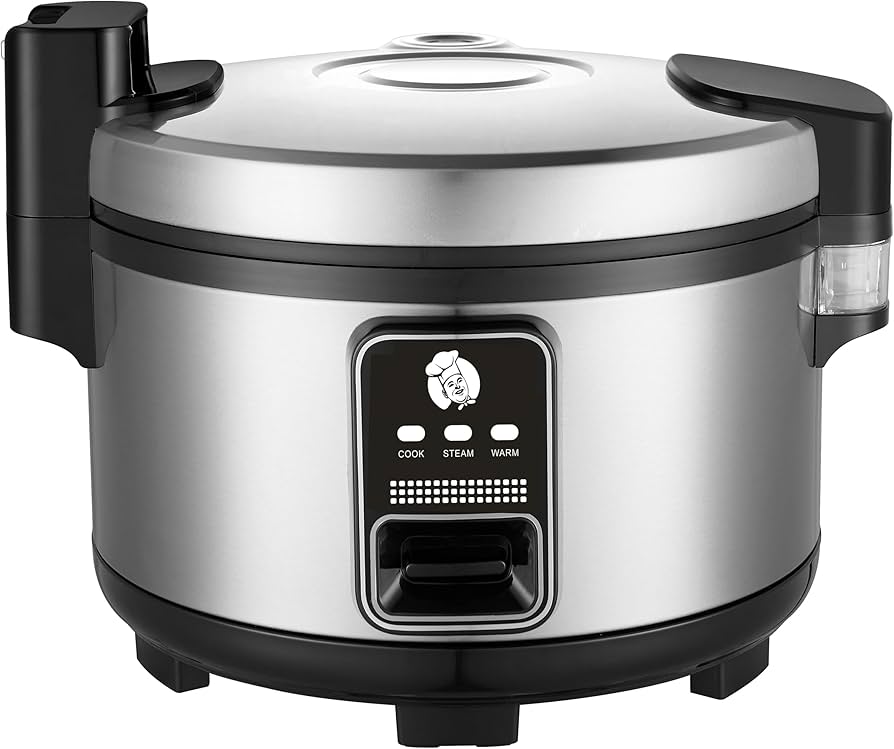
Choosing a commercial rice cooker isn’t a one-size-fits-all decision; the market offers several types, each with unique advantages tailored to different operational needs:
- Standard Electric Rice Cookers: These are the most common and often the most budget-friendly. They operate with a basic heating element at the bottom, offering reliable performance for moderate volumes. Ideal for smaller restaurants or cafes with consistent, but not massive, rice demand.
- Induction Heating (IH) Rice Cookers: IH technology uses magnetic fields to heat the inner pot directly and uniformly. This results in incredibly precise temperature control, even cooking, and superior rice texture, especially beneficial for delicate varieties like sushi rice or premium jasmine rice. While a higher initial investment, the quality and consistency often justify the cost for upscale establishments.
- Gas Rice Cookers: Designed for speed and large capacity, gas commercial rice cookers are powerhouses. They heat up much faster than electric models and can cook enormous quantities of rice, making them perfect for large-scale catering, busy buffets, or institutional kitchens where speed and volume are paramount and gas hookups are available.
- Rice Warmers/Holders: These units don’t cook rice but are essential for keeping large batches perfectly warm and fresh for extended periods after cooking. They maintain optimal temperature and moisture without drying out or overcooking the rice, crucial for busy service hours.
- Microcomputerized Rice Cookers: These models feature advanced logic chips that control cooking cycles with greater precision, adjusting cooking time and temperature based on the type of rice and desired texture. They often come with multiple pre-set cooking programs.
Essential Features and Cutting-Edge Technologies
Modern commercial rice cookers are packed with features that elevate their performance and user experience:
- Capacity: Ranging from 20-cup (cooked) for smaller operations to over 100-cup capacity for high-volume kitchens, choosing the right size is critical. Consider your peak demand and turn-over rate.
- “Keep Warm” Function: A non-negotiable feature, allowing cooked rice to stay at an ideal serving temperature for hours without compromising quality.
- Non-Stick Inner Pot: Essential for easy serving and cleaning, minimizing rice sticking and wastage. High-quality non-stick coatings are durable and food-safe.
- Durability and Construction: Commercial units are built to withstand heavy use. Look for robust stainless steel exteriors and heavy-gauge inner pots.
- NSF Certification: This indicates that the appliance meets strict public health and safety standards, a must for any commercial kitchen.
- Digital Controls and Timers: Offer precise control over cooking cycles, often with customizable settings and delayed start options for convenience.
- Induction Heating (IH): As mentioned, IH provides superior heat distribution for exceptionally even cooking and texture.
- Fuzzy Logic / AI Technology: Some advanced models use sensors and algorithms to automatically adjust cooking parameters (temperature, time) based on the rice’s type and moisture content, ensuring perfect results every time. “This intelligent adaptation is a game-changer for consistency, especially when dealing with different rice varieties throughout the day,” notes culinary equipment specialist Dr. Eleanor Vance.
- Built-in Drains/Lids: Features that help manage condensation and make cleaning easier, preventing soggy rice or messy countertops.
How to Effectively Use Your Commercial Rice Cooker
Maximizing the performance and lifespan of your commercial rice cooker involves more than just plugging it in. Here’s a detailed guide:
- Measure Accurately: Always use the provided measuring cup for rice and follow the water-to-rice ratios specified in your cooker’s manual. Consistency in measurement is key for consistent results.
- Rinse Rice (Optional but Recommended): For many types of rice, especially white rice, rinsing until the water runs clear removes excess starch, resulting in fluffier, less sticky rice.
- Load the Pot: Add the rinsed rice and the correct amount of water to the inner pot.
- Select Settings: Choose the appropriate cooking setting for your rice type (e.g., white, brown, sushi, mixed). Some advanced models will detect the rice type automatically.
- Start Cooking: Close the lid securely and press the start button. Avoid opening the lid during the cooking cycle, as this releases steam and can affect the cooking process.
- Rest After Cooking: Once the cooking cycle is complete and the cooker switches to “keep warm,” let the rice rest for 10-15 minutes before serving. This allows the moisture to distribute evenly, creating a better texture.
- Fluff and Serve: Use a rice paddle to gently fluff the rice before serving. This separates the grains and releases any remaining steam.
Tips for Choosing and Maintaining Your Commercial Rice Cooker
Making an informed purchase and ensuring longevity are crucial for any commercial kitchen investment.
Choosing the Right Commercial Rice Cooker:
- Assess Your Capacity Needs: How much cooked rice do you need during your busiest hours? Factor in potential growth.
- Consider Rice Type: Do you primarily serve white rice, or do you need versatility for brown, wild, or specialty rices? IH or microcomputerized models excel with diverse rice types.
- Power Source: Do you have access to gas lines, or is electric preferable? Gas offers speed for very large volumes.
- Durability and Brand Reputation: Invest in well-known, reputable brands like Zojirushi, Panasonic, Tiger, Cuckoo, or Aroma that are known for commercial-grade quality and reliable after-sales service.
- Ease of Cleaning: Look for removable, non-stick inner pots and designs that minimize crevices where food can accumulate.
- Budget: Commercial rice cookers range widely in price. Balance your budget with your specific needs and expected usage. “Don’t just look at the upfront cost; consider the long-term efficiency, reliability, and the potential impact on your food quality and labor costs,” advises Dr. Eleanor Vance.
- Safety Certifications: Ensure NSF certification for hygiene and safety.
Maintaining Your Commercial Rice Cooker:
- Daily Cleaning: After each use, allow the inner pot to cool, then wash it with warm, soapy water and a soft sponge. Never use abrasive cleaners or metal scrubbers.
- Clean Exterior: Wipe down the exterior with a damp cloth.
- Lid and Vent Cleaning: Regularly clean the removable inner lid and steam vent to prevent clogs and ensure proper steam release.
- Check for Wear: Periodically inspect the power cord for damage and the inner pot for scratches or degradation of the non-stick coating. Replace parts as needed.
- Descaling (if applicable): If you’re in an area with hard water, mineral buildup can occur. Follow manufacturer instructions for descaling if your model requires it.
Comparing Leading Commercial Rice Cooker Brands
The commercial rice cooker market is dominated by a few key players known for their quality and innovation:
- Zojirushi: A Japanese powerhouse, Zojirushi is renowned for its premium IH and microcomputerized commercial rice cookers, offering exceptional precision, durability, and perfect rice texture. They are often a top choice for high-end restaurants and sushi establishments.
- Panasonic: Another Japanese giant, Panasonic offers a robust range of commercial rice cookers, including large-capacity electric and gas models known for their reliability and efficiency in busy kitchens.
- Tiger Corporation: Also from Japan, Tiger provides excellent commercial options, often featuring their proprietary heating technologies and durable construction, catering to both electric and gas requirements.
- Cuckoo: A leading South Korean brand, Cuckoo is famous for its advanced IH and pressure commercial rice cookers, delivering fast cooking times and versatile programs, popular in modern Asian restaurants.
- Aroma Housewares: While also making home models, Aroma offers more budget-friendly commercial options that are suitable for smaller operations or as backup units, focusing on practicality and value.
Each brand brings its unique strengths, from Zojirushi’s unwavering precision to Panasonic’s high-volume workhorses, ensuring a suitable option for every professional kitchen.
Diverse Recipes and Applications for Your Commercial Rice Cooker
While its primary function is rice, a commercial rice cooker’s capabilities extend far beyond plain white rice:
- Perfect White Rice (Jasmine, Basmati, Short-Grain): The cornerstone of many cuisines. Your commercial cooker ensures consistent, fluffy results for large batches.
- Brown Rice and Grains: With longer cooking cycles and often specific settings, these cookers can perfectly prepare healthier alternatives like brown rice, quinoa, or farro.
- Sushi Rice: Achieving the perfect sticky, yet separate, texture for sushi is critical. IH models, with their precise temperature control, are ideal for this delicate task.
- Rice Pilaf/Pilau: Infuse your rice with broths, herbs, and spices right in the cooker for flavorful side dishes that can be scaled up easily.
- Congee/Porridge: Many commercial cookers have specific settings for preparing creamy congee or other porridges, perfect for breakfast services.
- Steamed Vegetables or Proteins: Some models come with steam trays, allowing you to steam vegetables, dumplings, or even chicken simultaneously above the cooking rice, adding versatility to your menu.
Frequently Asked Questions About Commercial Rice Cookers
What is the ideal capacity for a commercial rice cooker?
The ideal capacity depends entirely on your operation’s scale. A 20-cup cooked rice capacity is suitable for smaller cafes, while large restaurants or catering services might need 60-cup or even 100-cup models to meet peak demand consistently.
How do Induction Heating (IH) commercial rice cookers differ from standard ones?
IH commercial rice cookers use electromagnetic fields to heat the entire inner pot directly and evenly, rather than just from the bottom. This results in superior temperature control, more uniform cooking, and a consistently better texture of rice compared to standard heating element models.
Is NSF certification important for a commercial rice cooker?
Absolutely. NSF certification signifies that a commercial rice cooker meets strict public health and safety standards for design, materials, and performance. It’s a critical assurance of hygiene and durability for any professional kitchen environment.
How long can rice be kept warm in a commercial rice cooker?
Most commercial rice cookers are designed to keep rice warm safely and effectively for several hours, typically up to 6-8 hours, without significant degradation in quality. Always refer to the manufacturer’s guidelines for your specific model.
Can I cook different types of rice in the same commercial rice cooker?
Yes, most commercial rice cookers are versatile enough to cook various types of rice, including white, brown, and sometimes even sushi rice or mixed grains. Many advanced models feature specific pre-set programs for different rice varieties to optimize cooking.
What maintenance is required for a commercial rice cooker?
Daily cleaning of the inner pot and exterior is essential. Regularly cleaning the lid and steam vent prevents buildup. Periodically check for wear on cords and the non-stick coating. Following the manufacturer’s cleaning instructions will ensure longevity and hygienic operation.
Conclusion
Choosing the right commercial rice cooker is a pivotal decision for any food service establishment that values consistency, efficiency, and quality. From understanding the nuanced differences between electric, gas, and IH technologies to prioritizing features like capacity, durability, and NSF certification, every detail contributes to your kitchen’s success. With proper selection and diligent maintenance, your commercial rice cooker will not just cook rice, but empower your culinary team to deliver perfect results every single time, delighting your customers and streamlining your operations. Embrace the innovation and expertise available to optimize your kitchen and elevate your rice game.