There’s a quiet revolution happening in kitchens worldwide, and it’s all about getting back to basics with a modern twist. For years, rice cookers have simplified meal prep, but a new wave of appliances featuring ceramic inner pots is capturing the hearts of home cooks and culinary experts alike. If you’re seeking a healthier way to enjoy perfectly cooked rice, a ceramic rice cooker might just be your next favorite kitchen essential. As someone who has spent over 15 years immersed in home appliance technology and Asian culinary traditions, I’ve seen countless innovations, but the rise of the ceramic rice cooker truly stands out for its blend of traditional wisdom and contemporary needs.
The Evolution of Rice Cookers: From Stovetop to Smart Tech
For centuries, rice was cooked in simple pots over open flames, a method that required constant attention and a keen eye. The advent of the electric rice cooker in the mid-20th century transformed this process, making perfectly cooked rice an effortless reality. Early models often featured aluminum pots with basic non-stick coatings, but as health consciousness grew, consumers began seeking alternatives. This desire led to the development of various inner pot materials, including stainless steel and, increasingly, ceramic. The journey from basic function to intelligent design, incorporating features like Induction Heating (IH), Artificial Intelligence (AI), and Internet of Things (IoT) connectivity, reflects a continuous effort to optimize the rice-cooking experience for diverse lifestyles and culinary preferences.
What Makes a Ceramic Rice Cooker So Special?
A ceramic rice cooker distinguishes itself through its inner cooking pot, which is crafted from ceramic rather than conventional metals or synthetic non-stick materials. This fundamental difference brings a host of benefits that resonate deeply with health-conscious individuals and food enthusiasts.
Non-Toxic and Health-Conscious Cooking
One of the most compelling reasons to choose a ceramic rice cooker is its commitment to healthier cooking. Unlike some traditional non-stick coatings that may contain chemicals like PFAS (per- and polyfluoroalkyl substances), PFOA, PTFE, lead, or cadmium, ceramic pots are typically free from these controversial substances. This means you can cook your rice with peace of mind, knowing that no undesirable chemicals are leaching into your food. It’s a return to pure, unadulterated flavors, making it a safe choice for every meal.
Unmatched Flavor and Texture
Have you ever wondered why rice cooked in traditional clay pots often tastes superior? Ceramic rice cookers mimic this effect beautifully. Ceramic heats up slowly but distributes heat incredibly uniformly throughout the pot. This even heat distribution ensures every grain is cooked perfectly, avoiding the dreaded crispy bottom or undercooked center. Furthermore, ceramic is a neutral material that doesn’t interfere with the natural taste of your rice, preserving its delicate flavor. Brands like Tiger Corporation highlight how the far-infrared radiation effect of ceramic inner pots can be four times that of metal, thoroughly heating each grain to enhance sweetness and achieve that coveted fluffy texture. This gentle, consistent heat also promotes the gelatinization of rice, unlocking its full potential for sweetness and stickiness.
Natural Non-Stick Properties and Easy Cleanup
Despite being free from chemical coatings, many ceramic rice cooker pots boast excellent natural non-stick properties. Their smooth, dense vitrified surface, sometimes created using bionic technology that mimics a lotus leaf effect, prevents rice from sticking. This makes serving rice a breeze and, perhaps even better, simplifies cleanup considerably. A gentle wipe with a soft sponge and warm, soapy water is usually all it takes to make the pot sparkle again.
Popular Ceramic Rice Cooker Models and Brands
The market for ceramic rice cookers is growing, with several brands offering innovative designs and advanced features. Here are a few notable examples:
- Yum Asia: Known for their premium rice cookers, Yum Asia offers models like the Panda Mini and Sakura, which feature advanced fuzzy logic (AI) technology and multi-layered ceramic-coated inner bowls. Their Sakura model, for instance, boasts a 5-layer, 2mm thick ceramic-coated Ninja inner bowl that is BPA and PTFE free, ensuring healthy cooking. These cookers often come with various settings for different rice types and useful multi-cooker functions such as steam, porridge, slow cook, soup, and even cake baking.
- Aroma Housewares: A popular choice in the US, Aroma offers rice and grain cookers with their CoreCoat™ ceramic nonstick surface, explicitly stating it’s made without PFAS, lead, or cadmium. These models focus on consistent heat distribution for fluffier rice and easy one-touch operation.
- Green Pan: Their Ceramic Nonstick Rice Cooker utilizes a Thermolone ceramic nonstick coating, also certified free of PAS, faux lead, and cadmium, prioritizing healthier cooking even if accidentally overheated.
- Tiger Corporation: A long-standing name in rice cookers, Tiger has been incorporating ceramic inner pots into its flagship models since 2016, leveraging the material’s excellent heat storage and far-infrared radiation capabilities to achieve superior rice flavor and texture.
- TONZE: This brand highlights “natural ceramic” inner pots, often made through high-temperature firing (e.g., 1390°C), resulting in durable, uncoated ceramic pots that retain the original flavor of rice.
When exploring options, look for details on the specific ceramic lining, ensuring it aligns with your health and performance expectations.
Ceramic vs. The Competition: Stainless Steel and Non-Stick
Navigating the world of rice cooker materials can feel a bit like choosing your favorite rice grain – there are so many good options! Let’s break down how ceramic rice cookers stack up against their common counterparts: traditional non-stick (Teflon/PTFE-coated) and stainless steel.
- Ceramic vs. Traditional Non-Stick: The primary distinction here is health. While traditional non-stick coatings are undeniably convenient for preventing sticking and are often more affordable, concerns about PFAS and PTFE chemicals being released at high temperatures have led many consumers to seek alternatives. Ceramic offers comparable non-stick performance without these chemical worries, providing a “cleaner” cooking experience. However, ceramic pots can be heavier and potentially pricier.
- Ceramic vs. Stainless Steel: Stainless steel pots are celebrated for their incredible durability, resistance to scratches and dents, and overall longevity. They are also chemical-free, making them a healthy choice. However, stainless steel often struggles with rice sticking, which can be a real headache during cleanup. It may also heat less evenly and take longer to cook rice compared to ceramic or traditional non-stick options. Ceramic, with its superior heat distribution and natural non-stick surface, generally provides a better cooking experience for rice, ensuring fluffier, less sticky results, though it requires more careful handling to prevent chipping or cracking.
Ultimately, the choice often comes down to balancing health benefits, cooking performance, durability, and budget. For those prioritizing non-toxic cooking and superior rice quality, the ceramic rice cooker is a standout.
Making the Perfect Batch: How to Use Your Ceramic Rice Cooker
Using a ceramic rice cooker is generally straightforward, but a few tips can help you achieve consistently perfect results.
- Measure Accurately: Always use the measuring cup provided with your rice cooker, as it’s often calibrated differently from standard US cups. Refer to the water lines inside the pot for precise liquid measurements.
- Rinse Your Rice: Rinsing rice thoroughly before cooking is crucial, especially for white rice. It removes excess starch, which helps prevent sticking and results in fluffier, more distinct grains.
- Add Water: Follow the recommended water-to-rice ratio, usually indicated by lines on the inner pot.
- Select Setting: Choose the appropriate setting for your rice type (e.g., white, brown, sushi). Many modern ceramic rice cookers come with “fuzzy logic” technology that automatically adjusts cooking time and temperature for optimal results.
- Cook and Keep Warm: Once the cooking cycle is complete, the cooker will typically switch to a “keep warm” mode. While ceramic retains heat well, be mindful that prolonged keep-warm times could lead to slight overcooking if not monitored.
Keeping It Pristine: Care and Maintenance for Your Ceramic Rice Cooker
To ensure your ceramic rice cooker lasts for years and continues to deliver exceptional performance, proper care is key.
- Unplug and Cool: Always unplug your rice cooker and allow the inner pot to cool completely before cleaning. “Thermal shock”—sudden temperature changes (e.g., placing a hot pot in cold water)—can cause ceramic to crack or chip.
- Gentle Cleaning: Remove the inner pot and any detachable accessories. Wash them with warm, soapy water and a soft sponge or cloth.
- Avoid Harsh Tools: Never use steel wool, metal utensils, abrasive cleaners, or sharp objects on your ceramic pot, as these can scratch or damage the surface. For stubborn stuck-on rice, soak the pot in warm, soapy water for 20 minutes to a few hours. A solution of vinegar and water, or baking soda and lemon juice, can also help loosen residue and eliminate odors.
- Wipe Exterior: Use a damp (not wet) cloth to wipe down the exterior of the rice cooker and the heating element, ensuring no water drips into electrical components.
- Dry Thoroughly: Ensure all parts are completely dry before reassembling or storing the cooker.
Beyond Rice: Versatile Recipes for Your Ceramic Cooker
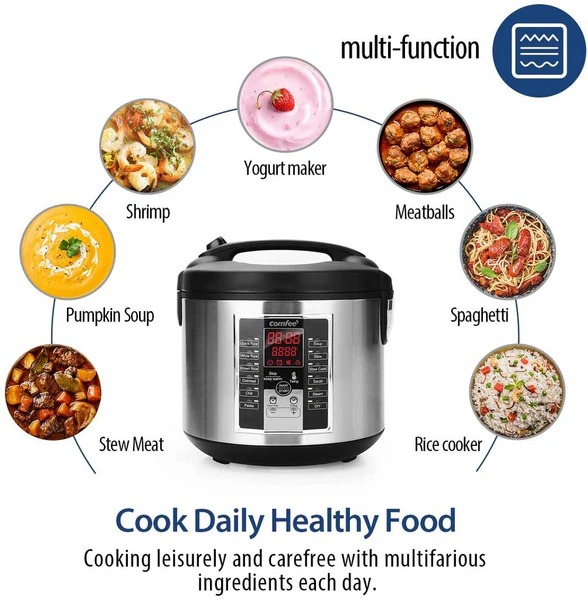
While excelling at rice, many ceramic rice cookers are truly multi-functional appliances, opening up a world of culinary possibilities. Their even heating and gentle cooking properties make them ideal for:
- Porridge and Oatmeal: Achieve creamy, perfectly cooked grains for breakfast.
- Soups and Stews: Slow cook delicious and hearty meals.
- Steaming: Many models come with a steam tray, allowing you to steam vegetables or dumplings while your rice cooks below.
- Cakes and Desserts: Some advanced models even offer settings for baking cakes or making yogurt.
The versatility of a ceramic rice cooker means it can become a staple appliance, simplifying many aspects of your daily cooking routine.
Choosing Your Ideal Ceramic Rice Cooker
Selecting the perfect ceramic rice cooker involves considering a few key factors to match your lifestyle and cooking needs:
- Capacity: How much rice do you typically cook? Models range from mini (1-3 cups) suitable for individuals or small households, to larger capacities (5-10 cups) for families or entertaining.
- Features: Do you need basic cook/warm functions, or would you benefit from advanced “fuzzy logic,” multiple grain settings, a delay timer, or multi-cooker capabilities (steaming, slow cooking)?
- Budget: Ceramic rice cookers can range in price. While high-quality ceramic models might be an initial investment, their durability and health benefits often provide excellent long-term value.
- Brand Reputation: Research brands known for quality and customer satisfaction in rice cookers. Look for specific details about the ceramic material and its certifications (e.g., PFAS-free).
As Dr. Eleanor Vance, a Food Science Technologist at Global Kitchen Innovations, often says, “The subtle nuances in heat distribution and material neutrality of ceramic pots truly elevate the humble grain of rice. It’s not just about cooking; it’s about optimizing the culinary experience for both health and taste.”
Frequently Asked Questions (FAQ)
Are ceramic rice cookers truly non-stick?
Yes, many ceramic rice cooker inner pots are designed with natural non-stick properties, often due to a dense, smooth vitrified surface, making rice less likely to stick compared to bare metal pots.
Can I put my ceramic inner pot in the dishwasher?
While many ceramic pots are listed as dishwasher-safe, handwashing with warm, soapy water and a soft sponge is generally recommended to preserve the integrity of the ceramic coating and prevent potential chipping or damage.
How do I prevent my ceramic pot from cracking?
To prevent cracking, always allow the ceramic pot to cool completely before washing it, avoiding sudden temperature changes (thermal shock). Also, handle the pot carefully and avoid dropping it or using metal utensils that could chip the surface.
Are all ceramic rice cookers chemical-free?
High-quality ceramic rice cookers typically pride themselves on being free from PFAS, PFOA, PTFE, lead, and cadmium, offering a healthier cooking option. However, it’s always best to check the manufacturer’s specifications and certifications to confirm.
What kind of utensils should I use with a ceramic rice cooker?
Always use soft utensils, such as those made from silicone, wood, or the plastic spatula often included with the cooker. Avoid metal utensils, which can scratch or damage the ceramic surface.
Conclusion
Choosing a ceramic rice cooker is more than just buying another kitchen gadget; it’s an investment in healthier eating and superior culinary results. With its non-toxic properties, exceptional heat distribution for perfect flavor and texture, and easy-to-clean surface, the ceramic rice cooker offers a compelling alternative to traditional options. Whether you’re a student, a busy parent, or a gourmet chef, embracing this innovative appliance can elevate your daily meals and bring a touch of healthy sophistication to your kitchen. Explore the world of ceramic rice cookers today, and discover the joy of perfectly cooked grains, every time.
|
Our Picks for the Best Rice Cooker in 2026
As an Amazon Associate I earn from qualifying purchases.
|
||
| Num | Product | Action |
|---|---|---|
| 1 | Hamilton Beach Digital Programmable Rice Cooker & Food Steamer, 8 Cups Cooked (4 Uncooked), With Steam & Rinse Basket, Stainless Steel (37518) |

|
| 2 | BLACK+DECKER 16-Cup Rice Cooker, RC516, 8-Cup Uncooked Rice, Steaming Basket, Removable Non-Stick Bowl, One Touch |
|
| 3 | CUCKOO High Pressure Rice Cooker 10-Cup Uncooked / 20-Cup Cooked with Nonstick Inner Pot, Large Rice Maker with 13 Menu Options and Steam Plate, Fuzzy Logic Tech, Voice Guide, Black (CRP-P1009SB) |
|
| 4 | CUCKOO Micom Rice Cooker 3-Cup Uncooked / 6-Cup Cooked with Nonstick Inner Pot, Small Rice Maker with 8 Menu Options, Fuzzy Logic Technology, Auto Clean, Quick Rice Mode, Gray (CR-0375FG) |
|
| 5 | AROMA Digital Rice Cooker, 4-Cup (Uncooked) / 8-Cup (Cooked), Steamer, Grain Cooker, Multicooker, 2 Qt, Stainless Steel Exterior, ARC-914SBD |
|
| 6 | CUCKOO Micom Rice Cooker 3-Cup Uncooked / 6-Cup Cooked with Nonstick Inner Pot, Small Rice Maker with 8 Menu Options, Fuzzy Logic Technology, Auto Clean, Quick Rice Mode, Gray (CR-0375FG) |
|
| 7 | CUCKOO Micom Rice Cooker 6-Cup Uncooked / 12-Cup Cooked with Nonstick Inner Pot, Versatile Rice Maker with 9 Menu Options, Fuzzy Logic Technology, Auto Clean, Quick Rice Mode, White (CR-0675FW) |
|
| 8 | AROMA® Rice Cooker, 3-Cup (Uncooked) / 6-Cup (Cooked), Small Rice Cooker, Oatmeal Cooker, Soup Maker, Auto Keep Warm, 1.5 Qt, White, ARC-363NG |
|
| 9 | COMFEE\' Mini Rice Cooker 4 Cups Cooked/2 Cups Uncooked, Portable Non-Stick rice maker, 24 hours Timer Delay, 6 Functions, Fast Cooker, Brown Rice, Oatmeal, White |
|
| 10 | AROMA Professional Digital Rice Cooker, Multicooker, 4-Cup (Uncooked) / 8-Cup (Cooked), Steamer, Slow Cooker, Grain Cooker, 2Qt, Stainless Steel Exterior, ARC-994SG |
|