For many, the humble rice cooker is the silent workhorse of the kitchen, delivering perfectly fluffy grains with minimal fuss. But beneath the sleek exterior and smart features lies a crucial component that significantly impacts your cooking experience, health, and the longevity of your appliance: the inner pot. While various materials exist, the rice cooker stainless steel inner pot has emerged as a top contender, celebrated for its durability, safety, and ability to deliver consistently delicious results. If you’re looking to elevate your rice game and invest in a kitchen essential that truly stands the test of time, understanding the nuances of stainless steel is key.
The Evolution of Rice Cookers: A Brief History
From ancient clay pots over open fires to sophisticated electric appliances, rice cooking has always been central to global culinary traditions, especially across Asia. Early electric rice cookers, first introduced in Japan in the mid-20th century, revolutionized home cooking by automating the process. Initially, inner pots were often made from aluminum, sometimes with basic non-stick coatings. As technology advanced and health consciousness grew, consumers began seeking alternatives, paving the way for innovations like induction heating and, critically, the widespread adoption of robust, non-reactive materials such as stainless steel for inner pots. This evolution reflects a growing demand for not just convenience, but also for healthier, more sustainable kitchen solutions.
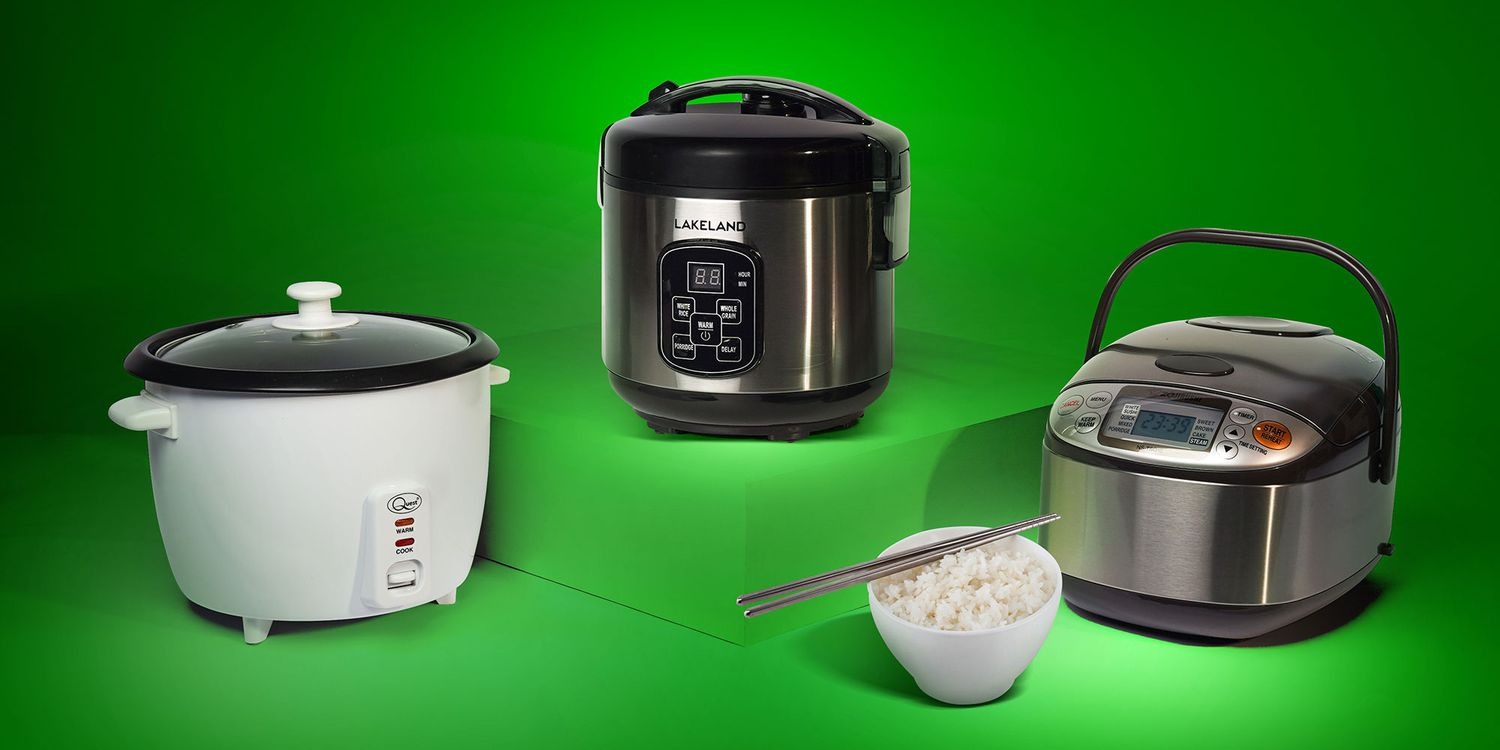
Why Stainless Steel? Unpacking the Benefits of Your Inner Pot
Choosing a rice cooker stainless steel inner pot comes with a host of advantages that cater to both health-conscious cooks and those seeking long-term reliability.
Health and Safety: Chemical-Free Cooking
One of the primary drivers for opting for stainless steel is the peace of mind it offers regarding food safety. Unlike some traditional non-stick coatings which can contain PTFE (Polytetrafluoroethylene), often known by the brand name Teflon, or older versions that contained PFOA (Perfluorooctanoic acid, now phased out due to health concerns), stainless steel is inherently chemical-free. This means no worries about potential chemical leaching into your food, even if the pot gets scratched or heated to high temperatures. You can trust that your rice is cooked in a pure, non-reactive environment, preserving its natural flavors and nutritional integrity.
Exceptional Durability and Longevity
Stainless steel lives up to its name. It’s renowned for its incredible resilience against daily wear and tear. A rice cooker stainless steel inner pot is highly resistant to scratches, dents, and corrosion, making it a true workhorse in any kitchen. This material is designed to withstand continuous use and high temperatures without warping or degrading, ensuring your investment lasts for many years, often outperforming other materials in terms of lifespan. This longevity not only saves you money on replacements but also reduces waste, aligning with more sustainable living practices.
Pure Flavor Profile
Because stainless steel is non-reactive, it won’t impart any metallic taste or absorb odors from previous meals. This is particularly important for delicate grains like rice, allowing their subtle flavors and aromas to shine through unadulterated. Whether you’re cooking a fragrant jasmine rice or a nutty brown rice, the pure taste you expect is what you’ll get, every single time. Stainless steel also won’t react to acidic ingredients, meaning you can confidently use your rice cooker for other versatile dishes without concern.
Ease of Cleaning and Maintenance
Maintaining a rice cooker stainless steel inner pot is surprisingly straightforward. Most stainless steel pots are dishwasher safe, offering ultimate convenience. For handwashing, warm soapy water and a soft sponge are usually all it takes to remove any residue. Even if some rice sticks, a quick soak can loosen it right up, making cleanup a breeze. The smooth, polished surface ensures that food particles don’t cling stubbornly, further simplifying your post-meal routine.
Stainless Steel vs. The Competition: A Head-to-Head Look
Understanding how stainless steel stacks up against other popular inner pot materials can help you make an informed decision.
Stainless Steel vs. Non-Stick (PTFE/Teflon)
Non-stick coatings are popular for their convenience, as rice tends to slide right off, making cleanup effortless. However, concerns regarding the health implications of certain chemicals used in non-stick coatings persist, even with newer, PFOA-free formulations. While medical experts generally consider modern PTFE coatings safe for everyday use below 500°F with non-scratching utensils, many consumers prefer to avoid them altogether. The main drawback of non-stick is its limited durability; coatings can scratch, chip, and degrade over time, necessitating replacement. Stainless steel, on the other hand, offers unparalleled durability and chemical-free cooking, sacrificing a bit of initial non-stick ease for long-term health and resilience. While rice might stick more initially, simple techniques can mitigate this.
Stainless Steel vs. Ceramic
Ceramic inner pots are another popular non-toxic alternative, often praised for their excellent heat distribution and ability to prevent scorching. They are also free from chemical coatings, making them a healthy choice. However, ceramic can be more fragile than stainless steel, prone to chipping or cracking if dropped or exposed to sudden temperature changes. They also tend to be heavier and can sometimes be pricier. Stainless steel offers superior robustness against impacts and a slightly lighter weight, while still providing a chemical-free cooking surface.
Choosing Your Ideal Stainless Steel Inner Pot Rice Cooker
When diving into the market for a rice cooker stainless steel inner pot, consider these factors to find your perfect match.
Key Features and Technologies
Modern rice cookers boast advanced technologies that enhance performance. Look for models featuring Induction Heating (IH), which uses electromagnetic fields to heat the entire inner pot evenly and precisely, resulting in superior rice texture and flavor. Micom (microcomputer) and Fuzzy Logic technologies are also highly desirable, as they intelligently adjust cooking time and temperature based on the type of rice and desired texture, ensuring consistent perfection every time. Some high-end stainless steel pots may also incorporate layers of aluminum or copper within the steel for even better heat distribution.
Capacity Considerations
Rice cookers come in various capacities, typically measured in uncooked cups. A 3-cup model is ideal for single individuals or small households, while 5.5-cup or 6-cup options suit average families. Larger 10-cup models are perfect for big families, meal prepping, or entertaining guests. Consider your typical meal size and whether you anticipate needing leftovers.
What to Look For: Material Grade and Construction
When investing in a stainless steel inner pot, pay attention to the grade of stainless steel. “Surgical grade 304 stainless steel” is a common, high-quality designation that indicates excellent corrosion resistance and durability. Some manufacturers enhance the inner pot’s heat dynamics by building it with multiple layers, such as a stainless steel exterior with an aluminum core, which improves heat conductivity and distribution, addressing a common perceived drawback of pure stainless steel.
“The choice of your rice cooker’s inner pot is often overlooked, yet it’s foundational to both the healthiness and the taste of your daily rice. Stainless steel, in particular, offers a fantastic blend of durability and peace of mind, allowing the true flavors of your grains to shine through without any interference.” – Chef Anya Sharma, Culinary Technologist.
Top Picks for Stainless Steel Inner Pot Rice Cookers
While the market is flooded with various options, several brands stand out for their commitment to quality stainless steel inner pots. Brands like Aroma Housewares, Elite Gourmet, and specific Zojirushi models are recognized for offering reliable rice cookers with stainless steel interiors, catering to different budgets and feature preferences. Many of these combine the benefits of stainless steel with smart cooking technologies, providing a premium experience without compromising on health or longevity. When exploring options, always double-check the product specifications to confirm the inner pot material.
Tips and Tricks for Perfect Rice in Your Stainless Steel Pot
Even with a top-tier rice cooker stainless steel inner pot, a few simple techniques can ensure your rice is always spot-on and minimizes sticking.
Preventing Rice from Sticking
It’s true that rice might adhere a bit more to stainless steel compared to non-stick surfaces. However, this is easily manageable.
- Rinse Your Rice Thoroughly: Rinsing removes excess starch, which is a major culprit for stickiness.
- Use the Correct Rice-to-Water Ratio: Always follow your rice cooker’s manual or the specific rice type’s recommendation. A slightly higher water ratio can sometimes help.
- Add a Little Oil or Butter: A teaspoon of cooking oil or butter to the water before cooking can create a slight barrier, preventing sticking.
- Allow for Resting Time: Once cooked, let the rice rest in the “keep warm” setting for 10-15 minutes without lifting the lid. This allows the steam to redistribute and the grains to firm up, making them less sticky.
- Preheat the Pot (Optional): Some users find that preheating the pot slightly before adding ingredients can help create a less sticky surface.
- Add Extra Water for Extended Warm Periods: If you plan to keep rice warm for more than 20 minutes, adding an extra ½ cup of water can help prevent the bottom layer from drying out and sticking.
Achieving Optimal Texture
Experiment with your rice cooker’s settings. Many advanced models offer specific programs for different types of rice (white, brown, sushi, mixed grains) and even texture preferences (regular, softer, firmer). Don’t be afraid to adjust the water slightly after a few batches to find your personal perfect texture.
Maintaining Your Stainless Steel Inner Pot for Years to Come
Proper care will ensure your rice cooker stainless steel inner pot remains in pristine condition for decades.
Daily Cleaning Routine
After each use, unplug the rice cooker and allow it to cool completely. Remove the inner pot and any accessories. Wash the inner pot with warm water and a few drops of mild dish soap using a soft sponge or cloth. Rinse thoroughly and dry completely to prevent water spots.
Tackling Stubborn Stains and Odors
- Stuck-on Rice: If rice has hardened, fill the pot with warm, soapy water and let it soak for 2-3 hours, or even overnight. This will soften the residue, allowing it to be easily wiped away.
- Discoloration/Stains: For tough stains or minor discoloration, a paste made of baking soda and water can work wonders. Apply it gently with a soft sponge, let it sit for a few minutes, then scrub and rinse. For more stubborn stains or if the pot takes on an alkali or acid corrosion look (black spots), a vinegar soak can be effective; fill the pot with water and a splash of white vinegar and let it soak overnight, then clean as usual.
- Odors: To remove lingering odors, you can boil a solution of one cup distilled white vinegar and one cup water in the pot, then let it cool before washing.
Dishwasher Safety
Most stainless steel inner pots are dishwasher safe, offering a convenient cleaning option. Always check your specific model’s manual to confirm. Ensure there are no water stains on the outer wall or bottom of the inner pot before placing it back into the cooker to prevent damage to the heating element.
Things to Avoid
Never use abrasive cleaners, steel wool, or harsh scrubbing pads on your stainless steel inner pot, as these can scratch the surface and potentially compromise its integrity and appearance. Also, avoid shocking a hot pot with cold water, as this can cause thermal microcracks over time.
Beyond Rice: Versatile Uses for Your Stainless Steel Cooker
Your rice cooker stainless steel inner pot is far more than a single-task appliance. Its durability and reliable heating make it suitable for a variety of culinary tasks:
- Steaming: Many rice cookers come with a steaming tray, perfect for vegetables, dumplings, or fish while your rice cooks below.
- Grains and Oats: Cook a wide range of grains like quinoa, couscous, farro, and steel-cut oats for healthy breakfasts or side dishes.
- Soups and Stews: For smaller batches, some rice cookers can gently simmer soups and stews.
- Porridge: Prepare creamy porridges with ease, often with dedicated settings on smart cookers.
Frequently Asked Questions (FAQ)
Is a stainless steel inner pot healthier than non-stick?
Yes, generally. Stainless steel is a non-reactive material that does not contain chemical coatings like PTFE (Teflon) or PFOA. This means there’s no risk of chemicals leaching into your food, making it a preferred choice for health-conscious individuals.
Will rice always stick to a stainless steel pot?
Rice can stick more to stainless steel than to non-stick coatings. However, this can be significantly minimized by rinsing rice thoroughly, using the correct water-to-rice ratio, adding a small amount of oil or butter, and allowing the rice to rest after cooking. Soaking the pot in warm, soapy water after use makes cleanup easy.
Can I use my stainless steel inner pot on a stovetop?
While stainless steel is stovetop-compatible, the inner pot of an electric rice cooker is specifically designed for its heating element. Using it on a stovetop might not yield optimal results and could potentially damage the pot or your stove. It’s best to use it as intended with your electric rice cooker.
How often should I clean my stainless steel rice cooker pot?
You should clean the inner pot with warm, soapy water after every use. For deeper cleaning or to address stubborn stains, follow the tips above regarding baking soda or vinegar. Regular cleaning prevents residue buildup and maintains hygiene and performance.
Are all stainless steel rice cooker pots created equal?
No. The quality can vary based on the grade of stainless steel (e.g., 304 surgical grade is excellent) and its construction. Some premium models feature multi-ply construction with aluminum or copper layers for better heat distribution, enhancing overall cooking performance. Always check product specifications for details.
Conclusion: Embrace the Stainless Steel Advantage
The rice cooker stainless steel inner pot stands as a testament to the blend of health, durability, and performance in modern kitchen appliances. Moving beyond the allure of quick-release non-stick surfaces, stainless steel offers a reliable, chemical-free, and long-lasting alternative that ensures your rice is not only perfectly cooked but also prepared in the healthiest way possible. By understanding its benefits, mastering a few simple cooking techniques, and adhering to basic care, you’ll find that embracing the stainless steel advantage in your rice cooker is an investment that pays dividends in delicious meals and peace of mind for years to come. Make the smart choice for your kitchen and your health!
|
Our Picks for the Best Rice Cooker in 2026
As an Amazon Associate I earn from qualifying purchases.
|
||
| Num | Product | Action |
|---|---|---|
| 1 | CUCKOO High Pressure Rice Cooker 10-Cup Uncooked / 20-Cup Cooked with Nonstick Inner Pot, Large Rice Maker with 13 Menu Options and Steam Plate, Fuzzy Logic Tech, Voice Guide, Black (CRP-P1009SB) |

|
| 2 | AROMA Digital Rice Cooker, 4-Cup (Uncooked) / 8-Cup (Cooked), Steamer, Grain Cooker, Multicooker, 2 Qt, Stainless Steel Exterior, ARC-914SBD |
|
| 3 | CUCKOO Micom Rice Cooker 3-Cup Uncooked / 6-Cup Cooked with Nonstick Inner Pot, Small Rice Maker with 8 Menu Options, Fuzzy Logic Technology, Auto Clean, Quick Rice Mode, Gray (CR-0375FG) |
|
| 4 | Hamilton Beach Digital Programmable Rice Cooker & Food Steamer, 8 Cups Cooked (4 Uncooked), With Steam & Rinse Basket, Stainless Steel (37518) |
|
| 5 | CUCKOO Micom Rice Cooker 3-Cup Uncooked / 6-Cup Cooked with Nonstick Inner Pot, Small Rice Maker with 8 Menu Options, Fuzzy Logic Technology, Auto Clean, Quick Rice Mode, Gray (CR-0375FG) |
|
| 6 | COMFEE\' Mini Rice Cooker 4 Cups Cooked/2 Cups Uncooked, Portable Non-Stick rice maker, 24 hours Timer Delay, 6 Functions, Fast Cooker, Brown Rice, Oatmeal, White |
|
| 7 | AROMA Professional Digital Rice Cooker, Multicooker, 4-Cup (Uncooked) / 8-Cup (Cooked), Steamer, Slow Cooker, Grain Cooker, 2Qt, Stainless Steel Exterior, ARC-994SG |
|
| 8 | BLACK+DECKER 16-Cup Rice Cooker, RC516, 8-Cup Uncooked Rice, Steaming Basket, Removable Non-Stick Bowl, One Touch |
|
| 9 | CUCKOO Micom Rice Cooker 6-Cup Uncooked / 12-Cup Cooked with Nonstick Inner Pot, Versatile Rice Maker with 9 Menu Options, Fuzzy Logic Technology, Auto Clean, Quick Rice Mode, White (CR-0675FW) |
|
| 10 | AROMA® Rice Cooker, 3-Cup (Uncooked) / 6-Cup (Cooked), Small Rice Cooker, Oatmeal Cooker, Soup Maker, Auto Keep Warm, 1.5 Qt, White, ARC-363NG |
|