In the bustling world of professional kitchens, where every dish demands precision and consistency, the unsung hero often works quietly in the background, ensuring a staple ingredient is always perfect: the restaurant rice cooker. For establishments ranging from vibrant Asian bistros to bustling cafeterias and catering services, serving perfectly cooked rice is non-negotiable. It’s more than just a side dish; it’s the foundation of countless culinary experiences, and achieving that ideal texture batch after batch requires a specialized appliance designed for the demanding pace of commercial food service. This comprehensive guide will delve into everything you need to know about selecting, using, and maintaining the optimal restaurant rice cooker to streamline your operations and delight your customers.
The Evolution of the Restaurant Rice Cooker
Gone are the days when a chef had to constantly monitor a pot on the stovetop, hoping for perfectly fluffy rice without scorching or mushiness. The journey from rudimentary stovetop methods to today’s sophisticated restaurant rice cooker models is a testament to culinary innovation. Unlike their smaller, less robust home counterparts, commercial-grade rice cookers are engineered for endurance and high-volume output. They are built to withstand continuous use, manage massive batches of rice, and consistently deliver uniform texture and temperature, freeing up valuable staff time and stovetop space for other critical preparations. This shift signifies a commitment to operational efficiency and unwavering quality in a professional setting.
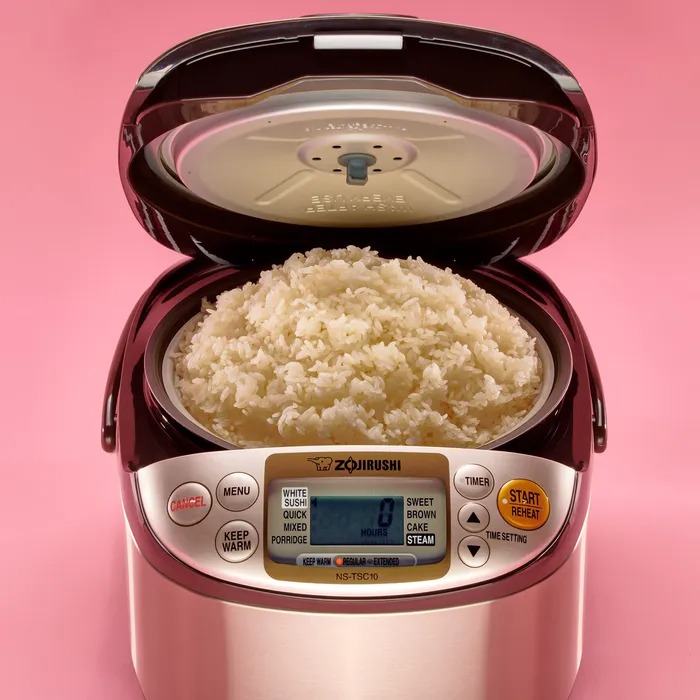
Types of Restaurant Rice Cookers: Finding Your Perfect Match
Choosing the right restaurant rice cooker isn’t a one-size-fits-all decision; it depends heavily on your kitchen’s specific needs, volume, and menu diversity.
By Power Type
- Electric Rice Cookers: These are often the go-to for many establishments due to their simplicity and ease of installation. Electric models are ideal for kitchens with limited ventilation or space constraints. They are generally simpler to operate and maintain, making them suitable for preparing various rice types efficiently. However, they may not be as fast or energy-efficient for extremely high-volume, continuous cooking as their gas counterparts.
- Gas Rice Cookers: Delivering high heat production, gas rice cookers are powerhouses designed for establishments that prepare very large quantities of rice daily, such as busy sushi bars or Indian restaurants. They preheat rice grains with a direct flame and then cook them under pressure, a process believed to enhance flavor. While faster and often more efficient for bulk cooking, gas models require proper ventilation, typically a kitchen hood, for safe operation.
By Technology
Beyond basic “cook and warm” functions, modern restaurant rice cooker technology offers enhanced precision:
- Standard/Conventional: These are straightforward units that cook rice and then switch to a “keep warm” mode. They are reliable for basic needs but offer less control over texture.
- Fuzzy Logic: Incorporating a microprocessor, fuzzy logic rice cookers automatically adjust cooking time and temperature based on the type of rice and water content. This intelligent system ensures optimal cooking, yielding superior texture and consistency.
- Induction Heating (IH): This advanced technology uses magnetic coils to heat the entire inner pot evenly and quickly. IH rice cookers provide precise temperature control, resulting in consistently perfect rice with an exceptional texture, making them a favorite in high-end kitchens where rice quality is paramount.
By Capacity
Capacity is perhaps the most critical factor for a restaurant rice cooker, directly impacting how efficiently you can meet demand. Capacities are typically stated in “cups cooked,” with uncooked rice roughly doubling in volume.
- Small Capacity (20-40 cups cooked): Ideal for smaller cafes, food trucks, or establishments where rice is a supplementary item.
- Medium Capacity (60 cups cooked): A popular choice for many mid-sized restaurants and busy Asian eateries, handling a substantial volume for regular service. Brands like Aroma and Cuckoo offer excellent 60-cup options.
- Large Capacity (80-100+ cups cooked): Essential for large-scale operations like catering companies, buffets, or institutional kitchens where vast quantities of rice are needed consistently. Models like the Hamilton Beach 37590 can prepare up to 90 cups of cooked rice.
Essential Features and Technologies That Matter
When investing in a restaurant rice cooker, consider these critical features that contribute to performance, durability, and operational efficiency:
- High Capacity & Durable Construction: A commercial unit must withstand the rigors of a busy kitchen. Look for heavy-duty materials like stainless steel for the body and lid, ensuring longevity and resistance to wear and tear.
- Automatic Keep-Warm Function: This feature is a game-changer. Once the rice is perfectly cooked, the cooker automatically switches to a lower temperature, maintaining the ideal serving temperature for hours without overcooking, drying out, or burning the rice at the bottom. This prevents waste and ensures fresh, hot rice is always ready.
- Non-Stick Inner Pots: Crucial for easy cleaning and preventing rice from sticking, which can be a significant hassle in a high-volume environment. Many modern units feature durable non-stick coatings designed for commercial use.
- Multi-functional Cooking Modes: The ability to cook various types of rice (white, brown, sushi, GABA) and sometimes other grains like quinoa, oatmeal, or even steam vegetables simultaneously adds immense versatility.
- User-Friendly Controls: In a fast-paced kitchen, simplicity is key. Look for models with straightforward electronic operations and intuitive controls, often featuring one-touch cooking to minimize staff training and potential errors.
- Safety Certifications: For commercial kitchens, NSF certification is vital. This ensures the appliance meets strict public health and safety standards for design, construction, and performance.
How to Choose the Best Restaurant Rice Cooker for Your Establishment
Making the right choice involves a careful assessment of your unique operational needs:
- Assess Your Volume Needs: Accurately determine your peak rice demand, considering both uncooked and cooked capacity. Err on the side of slightly larger capacity if unsure, as underfilling is less problematic than overflowing.
- Consider Your Menu: Does your menu call for diverse rice varieties or other grains? If so, opt for a multi-functional model with specific settings.
- Kitchen Space & Utilities: Evaluate available counter space and access to electrical outlets or gas lines. This will dictate whether an electric or gas model is more practical. Gas models require proper ventilation.
- Budget vs. Long-Term Value: While budget is a factor, investing in a durable, commercial-grade restaurant rice cooker with robust features will often prove more cost-effective in the long run due to reduced maintenance, fewer replacements, and consistent performance.
- Brand Reputation & Reviews: Research reputable manufacturers known for commercial kitchen equipment. Brands like Aroma, Cuckoo, Zojirushi, Hamilton Beach, and Town are frequently cited for their reliable performance and durability in commercial settings.
Practical Tips for Using and Maintaining Your Restaurant Rice Cooker
To maximize the lifespan and performance of your restaurant rice cooker, adherence to best practices is essential:
- Proper Rice-to-Water Ratios: Always use the manufacturer’s recommended measuring cup and water lines for consistent results. Incorrect ratios can lead to undercooked, overcooked, or mushy rice.
- Regular Cleaning: The inner pot should be cleaned after each use, preferably with a non-abrasive sponge to preserve the non-stick coating. Lids, condensation collectors, and external surfaces also require regular cleaning to maintain hygiene and prevent buildup.
- Troubleshooting Common Issues: If your rice cooker switches to “warm” too soon or produces inconsistent results, check that you’re not exceeding maximum capacity or using incorrect water levels. For persistent issues, consult the manual or manufacturer support.
- Maximizing Efficiency: Utilize the “delay timer” feature available on some advanced models to have fresh rice ready precisely when needed, reducing last-minute rush and staff workload.
Leading Brands and Popular Models
The market offers a range of excellent restaurant rice cooker options. Brands like Aroma are often praised for their ease of use and high capacity at a competitive price point, with models like the Aroma 60-Cup Commercial Rice Cooker being a popular choice. CUCKOO stands out for its premium quality and advanced features, including fuzzy logic technology. Zojirushi is renowned for its sophisticated IH models, delivering exceptional rice texture and consistency. For very large capacities, brands like Hamilton Beach (e.g., the 90-cup Hamilton Beach 37590) and Town offer robust solutions. These brands have consistently delivered performance tailored to the demanding needs of commercial kitchens.
Elevating Your Menu: Diverse Recipes with Your Restaurant Rice Cooker
A restaurant rice cooker is far more versatile than just a white rice producer. It can be a culinary workhorse for a diverse menu:
- Perfect Sushi Rice: Achieving the ideal stickiness and texture for sushi and maki rolls is effortless with specialized settings.
- Flavorful Pilafs and Biryanis: Many cookers can handle the layered complexity of these aromatic rice dishes, infusing flavors beautifully.
- Comforting Congee and Rice Porridge: Creamy and consistently cooked, perfect for breakfast or delicate meal options.
- Healthy Steamed Dishes: Utilize steamer trays to prepare vegetables, dumplings, or even fish simultaneously with your rice, creating nutritious and efficient meal components.
- Sweet Rice Puddings: The consistent, gentle heat can create luscious dessert options.
As Eleanor Vance, a veteran kitchen consultant with twenty years of experience in restaurant equipment, aptly puts it, “A top-tier restaurant rice cooker isn’t just an appliance; it’s a strategic investment that guarantees consistency, significantly cuts labor costs, and allows your team to focus on culinary artistry rather than basic prep. It’s truly transformative for any high-volume kitchen.”
Frequently Asked Questions (FAQ)
Q: What is the ideal capacity for a small restaurant?
A: For a small restaurant, a restaurant rice cooker with a cooked capacity of 20-40 cups is often sufficient. It’s crucial to calculate your peak demand to avoid frequently running out or wasting energy on an overly large unit.
Q: How often should I clean my commercial rice cooker?
A: The inner pot should be cleaned after every use. Other components like the lid, condensation collector, and exterior should be wiped down daily to maintain hygiene and optimal performance in a commercial kitchen environment.
Q: Can I cook different grains in a restaurant rice cooker?
A: Yes, many modern restaurant rice cooker models are versatile and can cook various grains such as brown rice, quinoa, oatmeal, and even steam vegetables, expanding your menu options.
Q: What is “fuzzy logic” in a rice cooker?
A: Fuzzy logic refers to a microprocessor that allows the restaurant rice cooker to make small adjustments to cooking time and temperature based on the type of rice, water quantity, and even ambient temperature. This intelligent system ensures consistent, perfectly cooked rice every time.
Q: Are gas rice cookers truly more efficient than electric ones?
A: For high-volume cooking, gas rice cookers are generally faster and can be more energy-efficient due to their direct heating method. However, they require gas line installation and proper ventilation, making electric models more suitable for smaller batches or kitchens with limited infrastructure.
Conclusion
In the competitive culinary landscape, a restaurant rice cooker is far more than a convenience; it’s a foundational piece of equipment that directly impacts efficiency, consistency, and customer satisfaction. By understanding the diverse types, essential features, and proper maintenance, restaurateurs can make an informed decision that elevates their kitchen operations. Investing in the right commercial-grade rice cooker means investing in perfectly cooked rice, freed-up staff, and a smoother, more profitable service. Choose wisely, and watch your kitchen’s rice output become a testament to culinary excellence.
|
Our Picks for the Best Rice Cooker in 2026
As an Amazon Associate I earn from qualifying purchases.
|
||
| Num | Product | Action |
|---|---|---|
| 1 | CUCKOO Micom Rice Cooker 3-Cup Uncooked / 6-Cup Cooked with Nonstick Inner Pot, Small Rice Maker with 8 Menu Options, Fuzzy Logic Technology, Auto Clean, Quick Rice Mode, Gray (CR-0375FG) |

|
| 2 | CUCKOO Micom Rice Cooker 3-Cup Uncooked / 6-Cup Cooked with Nonstick Inner Pot, Small Rice Maker with 8 Menu Options, Fuzzy Logic Technology, Auto Clean, Quick Rice Mode, Gray (CR-0375FG) |
|
| 3 | Hamilton Beach Digital Programmable Rice Cooker & Food Steamer, 8 Cups Cooked (4 Uncooked), With Steam & Rinse Basket, Stainless Steel (37518) |
|
| 4 | AROMA Professional Digital Rice Cooker, Multicooker, 4-Cup (Uncooked) / 8-Cup (Cooked), Steamer, Slow Cooker, Grain Cooker, 2Qt, Stainless Steel Exterior, ARC-994SG |
|
| 5 | AROMA Digital Rice Cooker, 4-Cup (Uncooked) / 8-Cup (Cooked), Steamer, Grain Cooker, Multicooker, 2 Qt, Stainless Steel Exterior, ARC-914SBD |
|
| 6 | AROMA® Rice Cooker, 3-Cup (Uncooked) / 6-Cup (Cooked), Small Rice Cooker, Oatmeal Cooker, Soup Maker, Auto Keep Warm, 1.5 Qt, White, ARC-363NG |
|
| 7 | COMFEE\' Mini Rice Cooker 4 Cups Cooked/2 Cups Uncooked, Portable Non-Stick rice maker, 24 hours Timer Delay, 6 Functions, Fast Cooker, Brown Rice, Oatmeal, White |
|
| 8 | CUCKOO Micom Rice Cooker 6-Cup Uncooked / 12-Cup Cooked with Nonstick Inner Pot, Versatile Rice Maker with 9 Menu Options, Fuzzy Logic Technology, Auto Clean, Quick Rice Mode, White (CR-0675FW) |
|
| 9 | BLACK+DECKER 16-Cup Rice Cooker, RC516, 8-Cup Uncooked Rice, Steaming Basket, Removable Non-Stick Bowl, One Touch |
|
| 10 | CUCKOO High Pressure Rice Cooker 10-Cup Uncooked / 20-Cup Cooked with Nonstick Inner Pot, Large Rice Maker with 13 Menu Options and Steam Plate, Fuzzy Logic Tech, Voice Guide, Black (CRP-P1009SB) |
|